


Designing optical sensors, automotive headlamp covers, or smart device light guides requires exceptional light transmission and precise refractive index control. When product developers inspect early transparent samples, the choice between additive fabrication and bridge molding dictates whether the finished component shines crystal-clear or remains stubbornly clouded. Evaluating clear plastic parts 3D printing vs injection molding uncovers the optical penalties of resin fogging and proves why high-gloss metal tools are mandatory for true transparency.
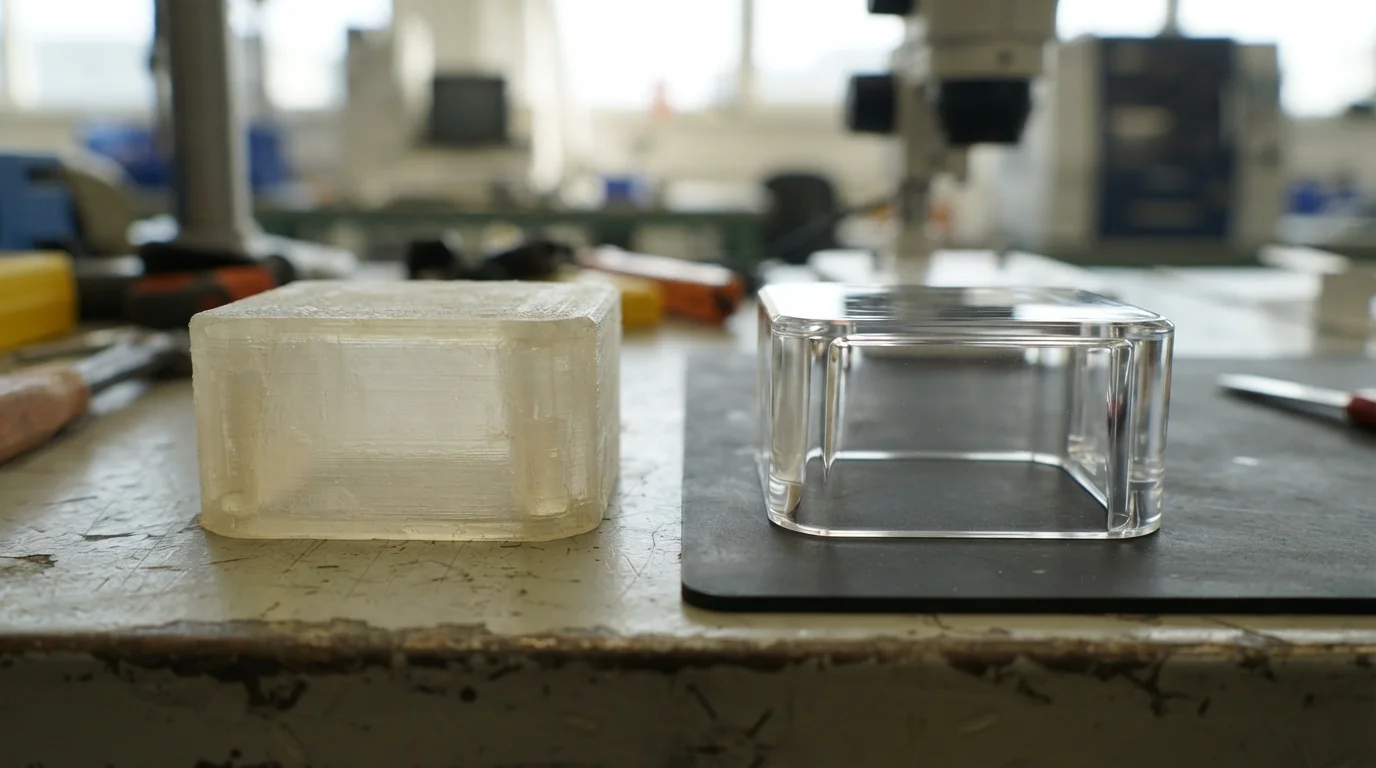
Table of Contents
1. The Foggy Reality of 3D Printed Transparent Resins and Refraction Limits
2. Molding Optical-Grade PC and PMMA with High-Precision Mold Polish
The Foggy Reality of 3D Printed Transparent Resins and Refraction Limits
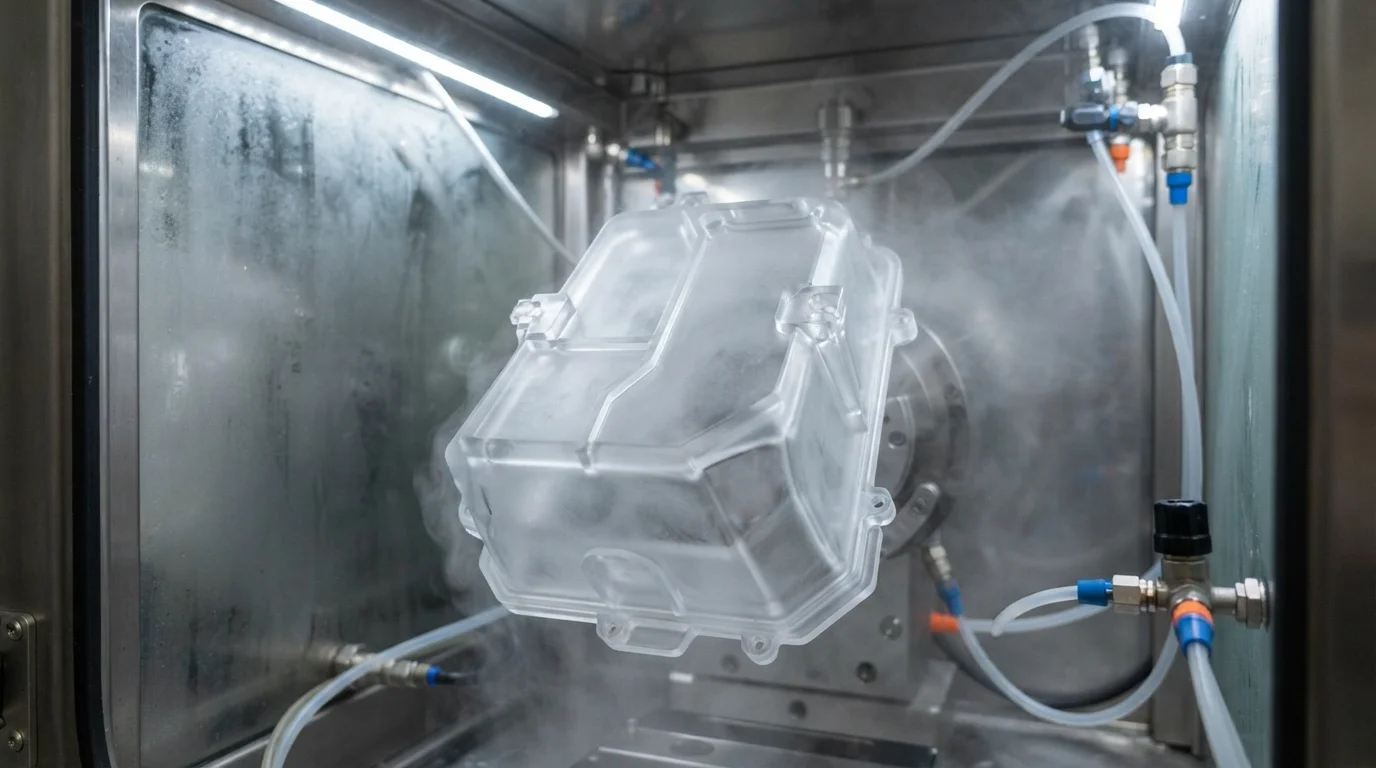
Question: Why do stereolithography (SLA) transparent prints consistently exhibit internal haze and light scattering rather than pure optical clarity? Layer stacking boundaries and microscopic printing voxels refract light rays unpredictably, preventing clean beam passage.
Even after applying manual sanding, clear coats, or chemical vapor smoothing, printed clear resins suffer from an inherent yellowish tint and internal micro-void scattering. While this level of transparency is acceptable for early conceptual light testing, it fails entirely for functional lenses or consumer-facing indicator windows. Shifting production to a dedicated Rapid Tooling Service allows manufacturers to inject true optical-grade thermoplastics against mirror-polished metal cavities.
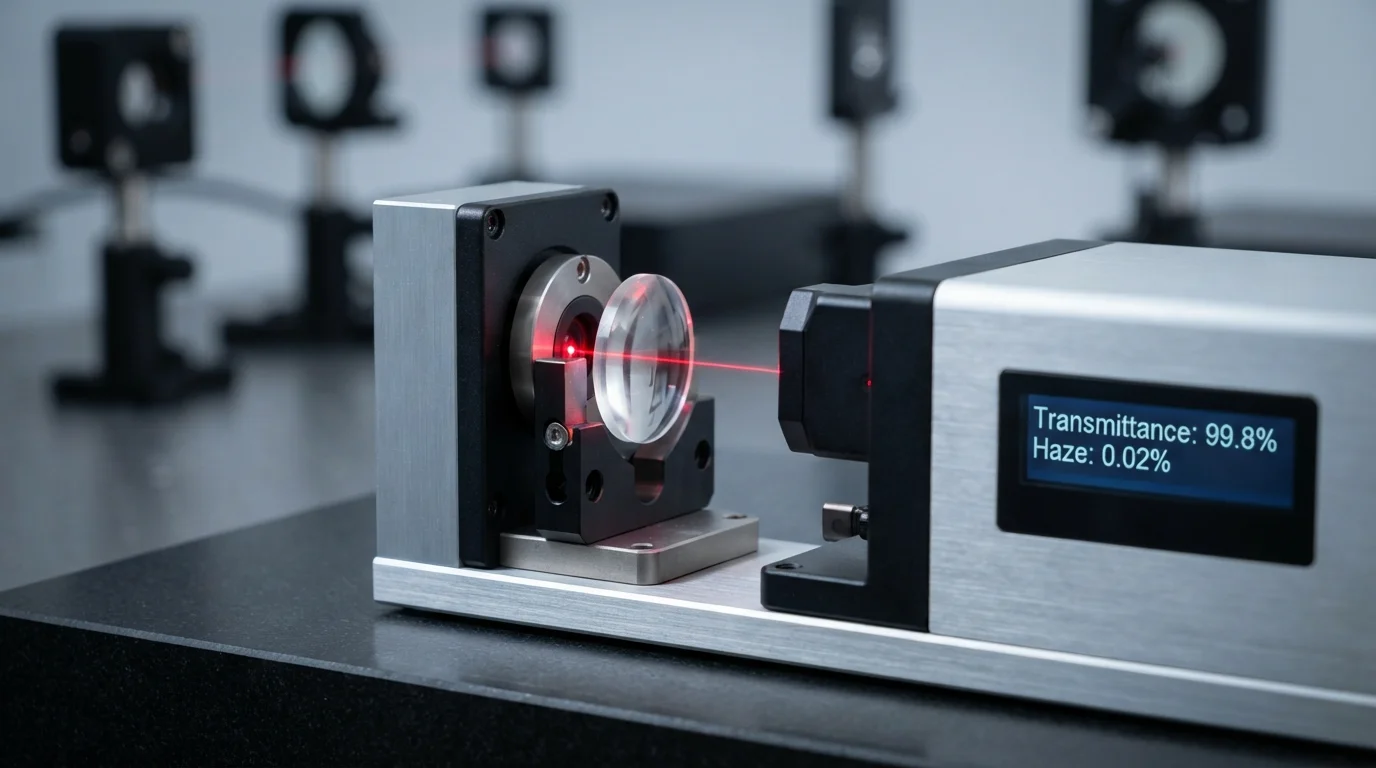
Comparing optical performance metrics across transparent manufacturing methods involves tracking specific clarity parameters:
| Optical Attribute | Post-Processed Transparent 3D Print | Rapid Injection Molded Optic |
|---|---|---|
| Light Transmittance Rate | Moderate (80% to 85% with haze) | Superior (90% to 92% optical purity) |
| Refractive Uniformity | Distorted by voxel layer lines | Flawless internal molecular density |
| UV Yellowing Resistance | Prone to rapid solar discoloration | Long-term stability with UV stabilizers |
Molding Optical-Grade PC and PMMA with High-Precision Mold Polish
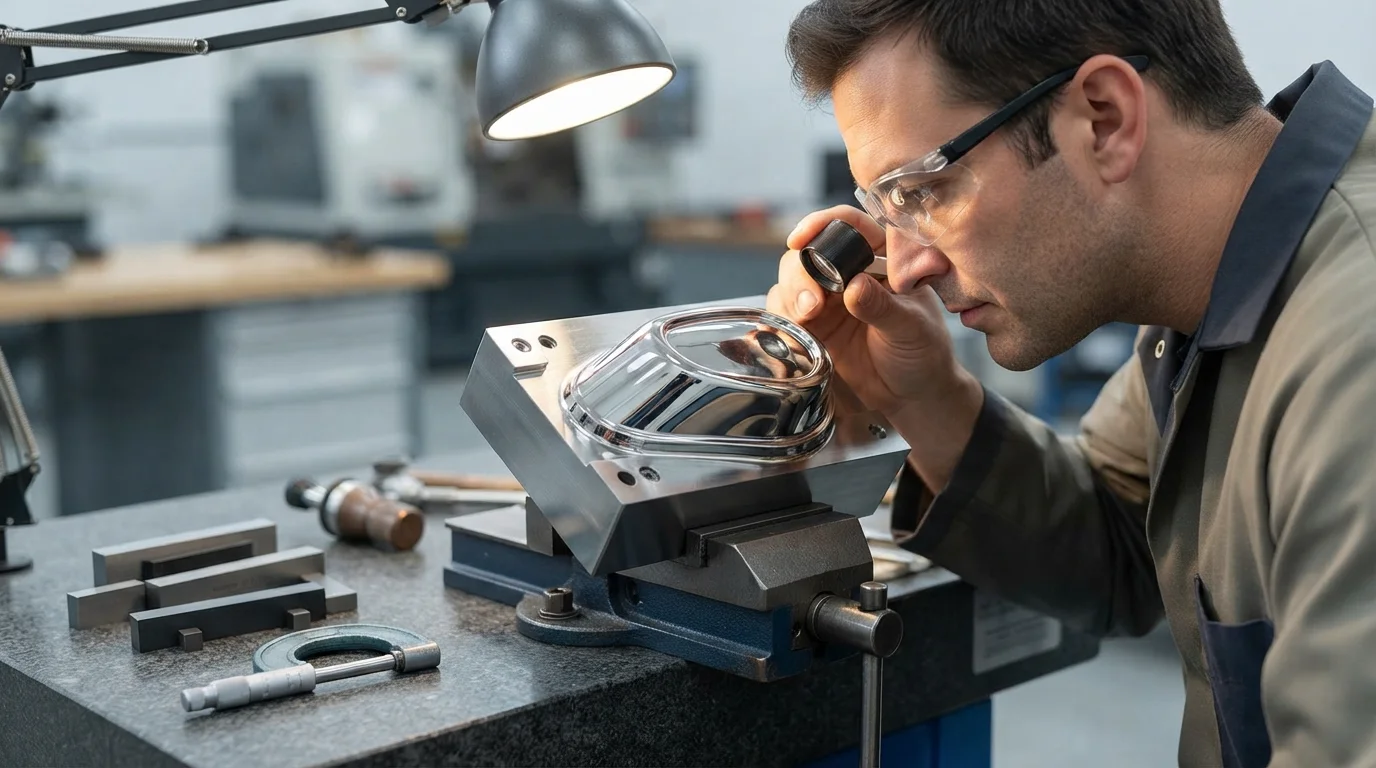
Question: How do rapid aluminum or steel tool inserts achieve the flawless mirror finishes necessary for injection-molded optical lenses? Expert toolmakers execute rigorous hand-lapping and diamond-buffing to reach SPI-A2 mirror standards directly inside the mold cavity.
When molten optical-grade Polycarbonate (PC) or PMMA (Acrylic) injects against a mirror-polished aluminum or P20 steel core, the resin surface replicates the micro-smooth metal texture instantly upon contact. Utilizing an agile Injection Molding Service ensures proper melt temperature control to eliminate internal flow lines or silver streaks.
Optimizing transparent component production and eliminating optical defects involves monitoring specific shop-floor guidelines:
- Strict resin drying—Removing all moisture traces prior to injection to prevent internal steam bubbles and cloudiness
- Advanced SPI-A2 polishing—Buffing mold cavities to mirror smoothness so injected lenses transmit light without scatter
- Optimized gate design—Placing injection gates along non-optical borders to prevent gate blemishing across clear viewports
Vapor Polishing Techniques for Crystal-Clear Auto Lenses
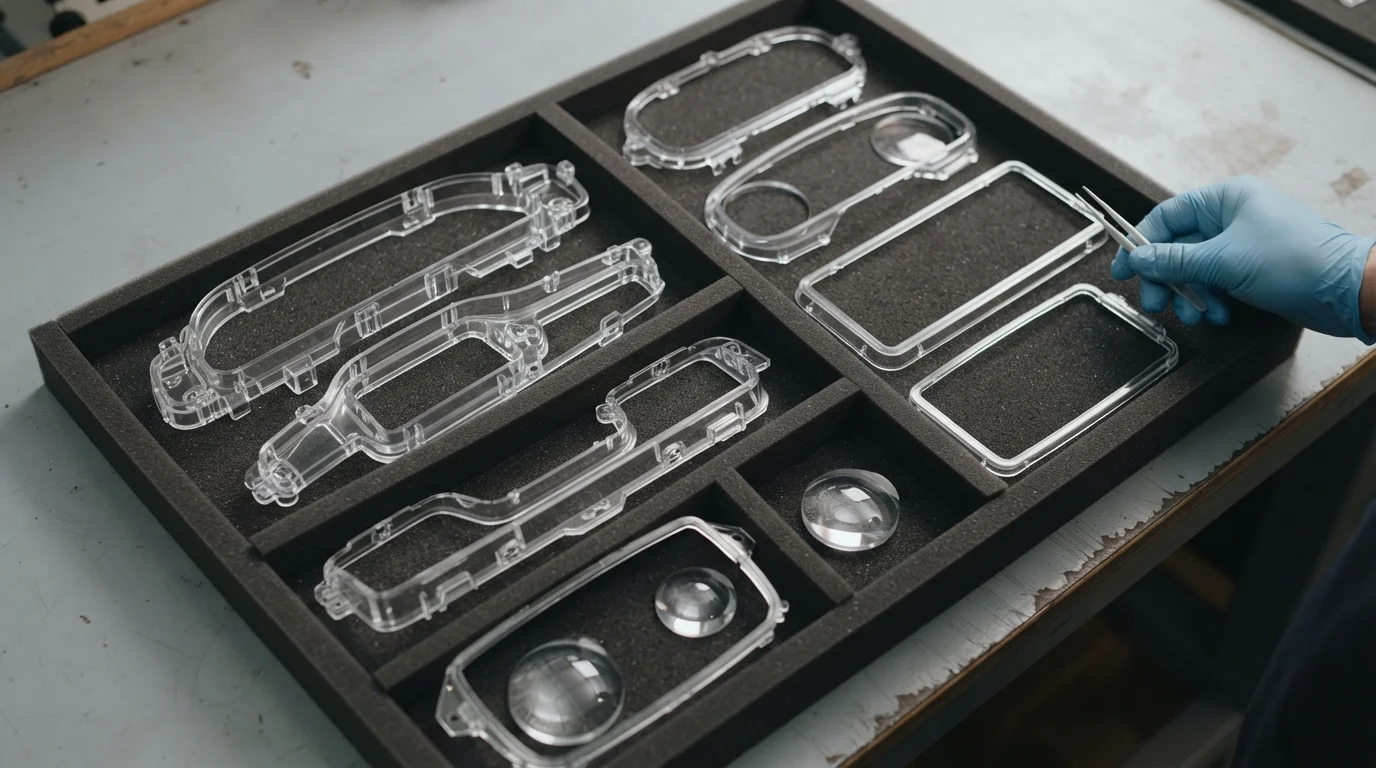
Jucheng Precision supports hardware developers by delivering comprehensive 24-hour free DFM reviews that evaluate optical wall thicknesses, draft angles, and gating strategies prior to tool cutting. Operating with 150+ advanced CNC machines alongside 35+ specialized injection molding workstations, our ISO 9001 certified facilities ensure exceptional manufacturing standards across every batch.
Key operational advantages of our optical manufacturing framework include:
- Expert optical polishing—Skilled toolmakers deliver mirror-finish SPI standards required for crystal-clear lenses
- Advanced vapor smoothing—Secondary chemical vapor treatments melt surface micro-scratches into absolute glass-like clarity
- Zero minimum order constraints—No MOQ policies allow exact inventory alignment with customized pilot production runs
Ready to manufacture crystal-clear optical components? Let Jucheng’s transparent molding specialists optimize your optical lenses.
Frequently Asked Questions (FAQ)
Why do transparent 3D printed parts appear hazy and scatter light?
Layer stacking boundaries and microscopic printing voxels refract light rays unpredictably, creating internal haze and scattering that prevents true optical clarity.
How do injection molded clear parts achieve superior optical transmittance?
Injecting optical-grade polycarbonate or PMMA against mirror-polished SPI-A2 metal mold cavities allows the polymer to replicate glass-like smoothness instantly upon extraction.
How does Jucheng Precision support optical component manufacturing?
Jucheng Precision provides 24-hour free DFM reviews, mirror-finish mold polishing, and precision injection molding to deliver crystal-clear optical lenses and light guides.

