


Procurement directors and product development teams face immense pressure to balance upfront capital tooling risks with long-term per-unit manufacturing costs. Sourcing physical scale models represents a mandatory validation phase before committing hundreds of thousands of dollars to multi-cavity production molds. Early engineering reviews verify physical fit, assembly clearances, and ergonomic comforts before high-volume machinery is activated. Sourcing suitable rapid fabrication options ensures your startup avoids catastrophic design flaws safely.
Slicing complex three-dimensional CAD files precisely allows experienced toolmakers to analyze parting lines, draft angles, and wall thicknesses using advanced mold flow simulation software. Standard manufacturing paths require careful coordination between design teams and machine shop operators to prevent localized polymer splay or tool deflection. Sourcing your copies from a partner with extensive in-house capabilities ensures you receive honest, cost-saving advice for your specific hardware program. Let’s look at how you can optimize your geometries to drive down expenses safely while maintaining high-fidelity quality.
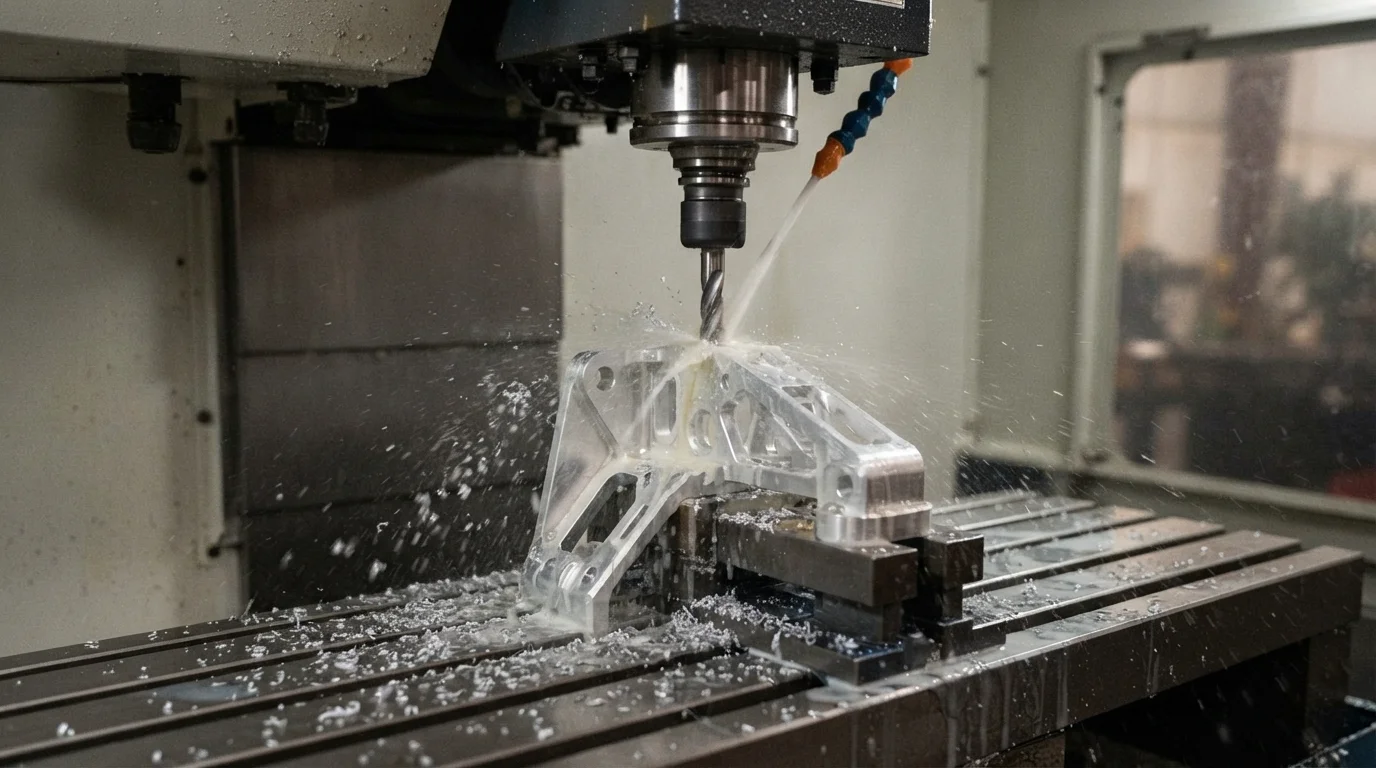
Evaluating total cost of ownership (TCO) remains a paramount concern when transitioning from initial functional mockups to low-volume market validation. Structural components must undergo rigorous load, thermal, and dynamic impact testing to satisfy regulatory guidelines. Sourcing high-quality prototypes ensures your designs are built to withstand severe dynamic forces safely.
Table of Contents
1. Upfront Capital Investments and Minimum Order Quantities
2. Design Agility and Iterative Flexibilities
Upfront Capital Investments and Minimum Order Quantities
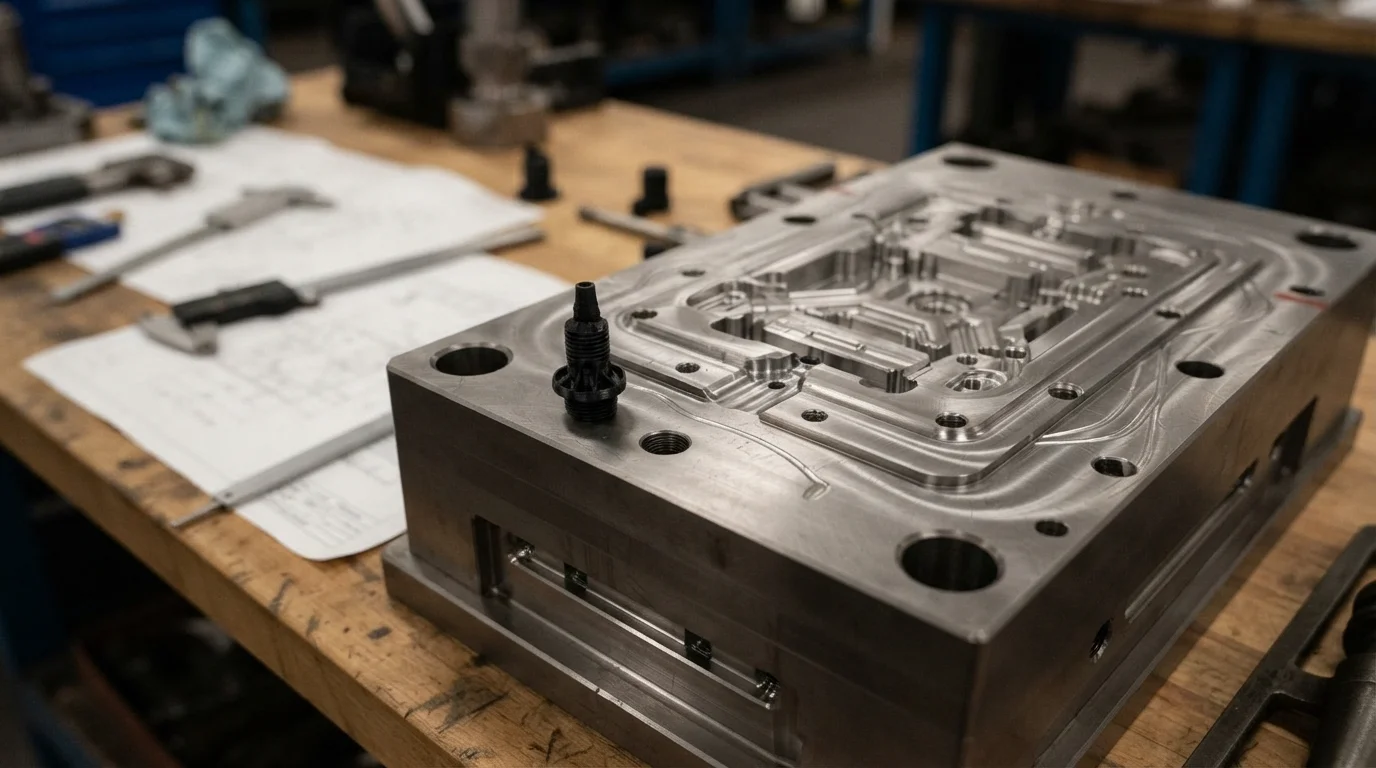
Question: Why do traditional manufacturing methods carry such high starting barriers? Traditional steel tooling and casting molds require months of precision EDM hours and massive capital expenditures, forcing high minimum order quantities.
Investing in high-volume, hardened steel molds requires severe upfront capital that startup budgets can rarely support without locking up crucial cash flow. Standard Injection Molding Service or high-pressure Die Casting Service setups demand complex mold core hours and manual tooling hand-fittings, creating a high starting price. Standard production runs force high minimum order quantities (MOQs) of 5,000 to 10,000 units to amortize initial mold expenditures. Understanding the baseline advantages of rapid prototyping allows mechatronics groups to bypass these high capital barriers safely during early development.
Sourcing physical scale models allows development groups to perform functional regulatory, environmental, and mechanical evaluations on production-grade resins. This technical table compares baseline cost behaviors across different manufacturing approaches to help you plan your hardware budget:
| Manufacturing Metric | Rapid Prototyping Standard | Traditional Manufacturing Standard | Primary B2B Financial Influence |
|---|---|---|---|
| Initial Tooling Cost | Zero to low ($200 – $500 per mold) | Extreme ($10,000 – $50,000+) | Dictates upfront development risk and cash flow |
| Minimum Order Quantity | Zero MOQ (No minimum penalties) | High (5,000 to 10,000+ units) | Influences warehouse inventory storage costs |
| Lead Time to Samples | 3 to 15 business days | 8 to 12 weeks minimum | Determines time-to-market speed and launch velocity |
Design Agility and Iterative Flexibilities
Question: How does product design agility differ between rapid and traditional manufacturing? Rapid prototyping allows engineers to modify 3D CAD files instantly between small-batch runs, whereas traditional steel molds lock in designs permanently.
Weighing the dynamic trade-offs of rapid prototyping vs traditional manufacturing is essential when hardware designs are not yet fully frozen. Standard subtractive CNC Machining Service setups allow programmers to modify G-code cutting toolpaths instantly to update component features within hours. Traditional hard steel tools lock in component geometries permanently, making even a minor 0.5 mm boss adjustment an extremely expensive and slow modification. Sourcing flexible, fast-turnaround prototyping pathways allows product designers to iterate custom geometries over multiple small-batch runs safely.
Plastic components can be updated continuously during early functional trials without inducing severe mold rework expenses. Sourcing certified raw material billets from a partner with extensive stock volumes protects your developmental budget from material premium markups. Symmetrical component designs simplify holding fixtures, reducing initial setup labor hours dramatically. Engineers confirm structural repeatabilities by conducting rigorous cyclic clip-and-release testing.
Bridge Production Scaling and Intermediate Tooling
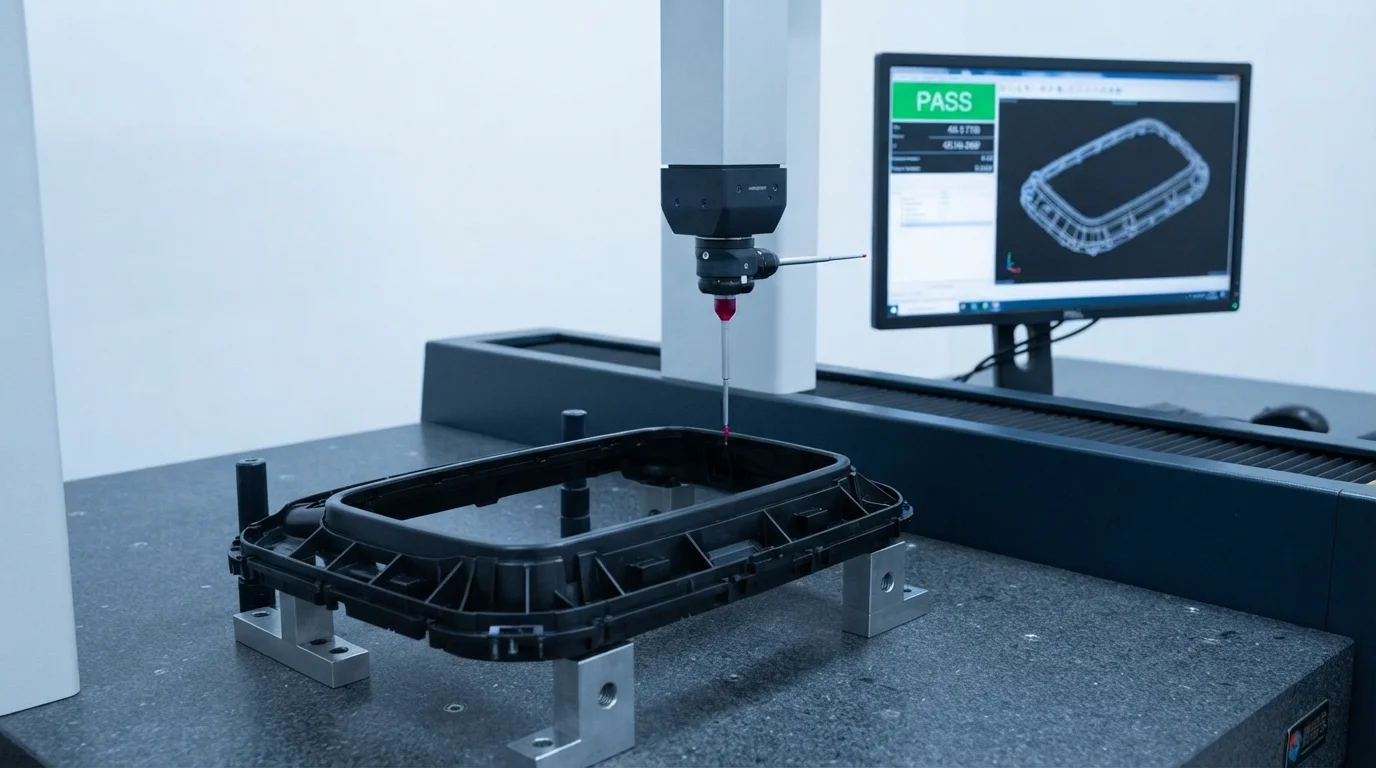
Question: What is the most cost-effective method to scale production up to 10,000 parts? Sourcing a Rapid Tooling Service using QC-10 aluminum or soft P20 steel inserts delivers genuine molded parts at a fraction of steel mold costs.
Scaling your functional validation program past fifty units requires utilizing a dedicated Rapid Tooling Service to mold parts economically. Aluminum or soft Tool Steel rapid molds deliver genuine injection-molded components using production-grade polymer grains within weeks. Sourcing rapid tooling allows product developers to validate gating, parting lines, and draft angles under real machine pressures. Splicing raw CAD files precisely allows experienced toolmakers to analyze parting line shut-offs manually.
Successfully navigating the boundaries of rapid prototyping vs traditional manufacturing requires a highly coordinated, single-roof manufacturing ecosystem. Jucheng Precision operates a fully-integrated factory setup containing both multi-axis machining centers and precision injection molding presses. Factory engineers deliver comprehensive 24-hour free DFM reviews to optimize gate locations, parting lines, and draft profiles before cutting metal. Sourcing your prototypes and production series from a certified manufacturer prevents communication errors, ensuring design changes are propagated across all stages safely.
Partnering with an experienced manufacturer helps you navigate the transition from early visual mockups to low-volume bridge tooling seamlessly. Sourcing your quotes manually ensures experienced engineers analyze your 3D STEP files to find additional ways of saving money on metal rapid prototyping. Sourcing a high-fidelity Prototype Service ensures your finished hardware matches the premium software experience. Sourcing high-quality prototypes ensures your designs are built to withstand severe dynamic forces safely.
Frequently Asked Questions (FAQ)
How do I choose between rapid prototyping vs traditional manufacturing?
Choosing between rapid prototyping vs traditional manufacturing depends on whether your design is fully frozen and your target annual volume. Standardizing your CAD geometries early allows you to use rapid tooling aluminum molds to bypass high upfront steel mold expenses cheaply.
Does complex surface polishing increase overall manufacturing bills dramatically?
Manual hand-polishing, vapor-polishing, and multi-layer painting require intensive labor hours, which can double your overall project bill. Specifying standard bead-blasted or raw machine finishes for internal structures or early visual models lowers your total finishing expenditures. Product designers coordinate with manufacturing specialists to apply decorative coatings only on visible external show faces.
How can mold tooling expenses be reduced for short-run production?
Standardizing vertical draft angles, filleted corners, and nominal wall thicknesses is the primary method to prevent mold flash. Mold parting line shut-offs are hand-fitted precisely, ensuring polymer does not escape under high clamping pressures. Sourcing early DFM reviews simplifies split line layouts, eliminating the need for expensive mechanical sliders in rapid molds.

