


Traditional manufacturing ecosystems have long been optimized for mass production, forcing product teams into a financial corner where multi-thousand-dollar steel tooling investments are mandatory before receiving the first production-grade part. For specialized equipment builders, medical device startups, and niche industrial hardware developers requiring production quantities between one hundred and ten thousand units, this traditional model creates severe capital friction. Exploring low volume manufacturing applications of rapid tooling reveals a smarter financial pathway, leveraging modular aluminum or pre-hardened steel molds to bypass excessive upfront non-recurring engineering costs while delivering authentic end-use parts.
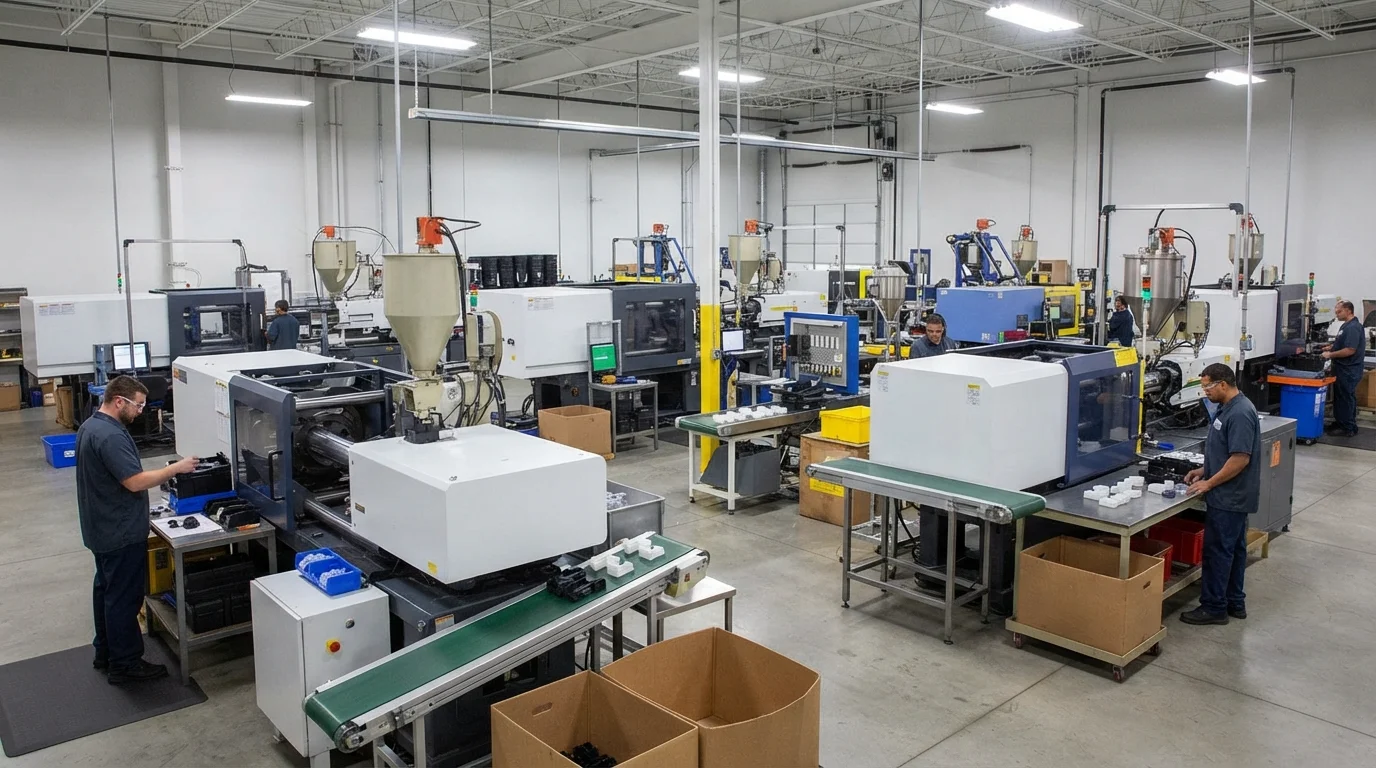
Maximizing the commercial potential of Rapid tooling industry applications requires understanding how bridge manufacturing protects cash flow during early market entry. Utilizing quick-turn metal inserts allows engineering groups to scale pilot production seamlessly without sacrificing mechanical performance or surface cosmetic standards. Let us examine why traditional high-volume molds are impractical for small batches and how agile molding strategies unlock global market access.
Table of Contents
1. Bridging the Gap for Niche Markets and Specialized Equipment
2. Why Traditional Molds Are Impractical for Runs Under 10,000 Units
3. Unlocking Global Markets with Turnkey Injection Solutions
Bridging the Gap for Niche Markets and Specialized Equipment
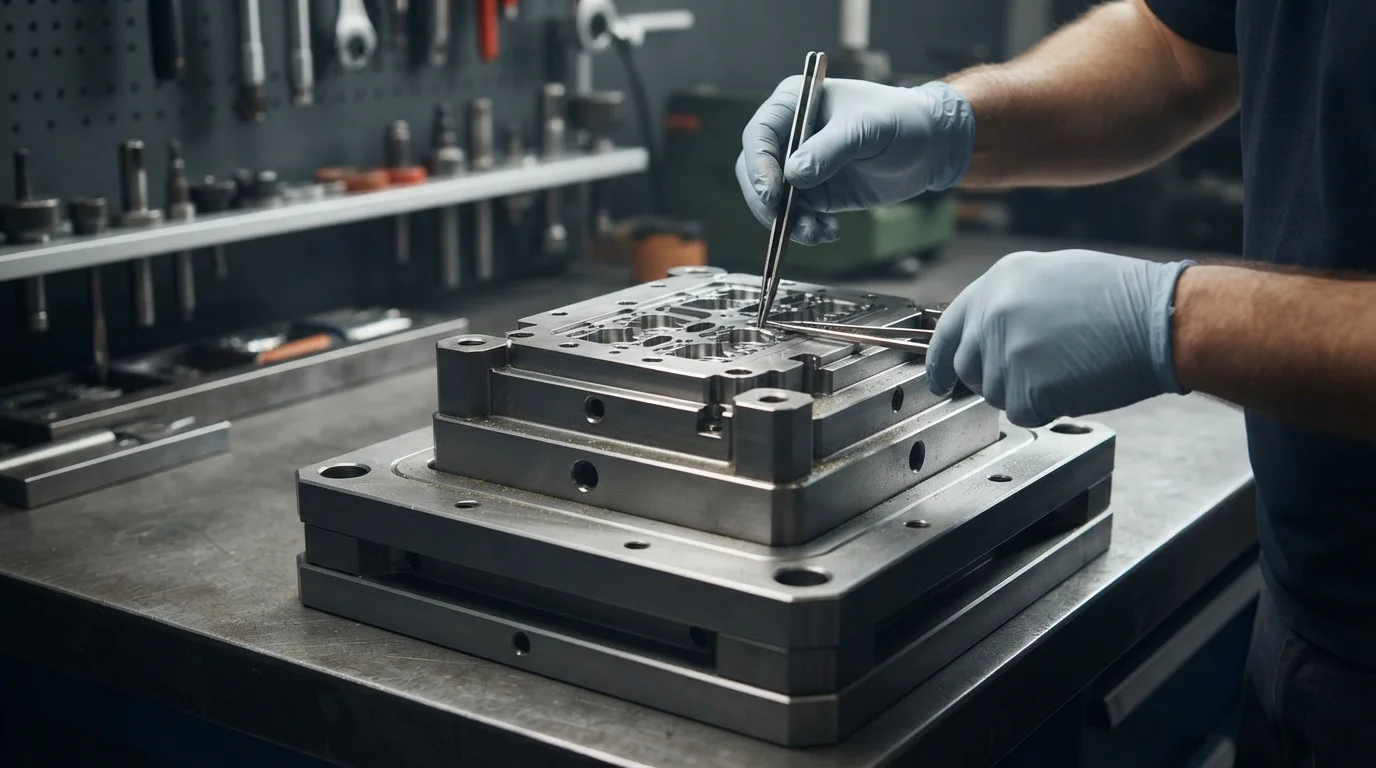
Question: How does bridge tooling successfully serve specialized industries where total lifetime production volumes remain relatively modest? Bridge tooling utilizes universal modular mold frames paired with quick-change aluminum inserts to slash initial setup expenses for small production runs.
Specialized diagnostic instruments, commercial automation hardware, and low-volume aerospace systems often face limited market sizes that can never justify a standard ten-thousand-dollar steel mold investment. Utilizing an agile Injection Molding Service bridges this commercial divide, enabling manufacturers to inject authentic engineering thermoplastics into durable metal cavities for runs ranging from 500 to 10,000 components. Sourcing precision structural components via an experienced CNC Machining Service ensures custom metal mounting brackets fit molded housings accurately.
Evaluating the operational benefits of flexible bridge manufacturing highlights several key financial advantages:
| Manufacturing Factor | Traditional Mass Production | Low-Volume Rapid Tooling |
|---|---|---|
| Initial Tooling Investment | Extremely High (Hardened Steel) | Low to Moderate (Aluminum/P20) |
| Tool Fabrication Lead Time | 6 to 12 Weeks | 1 to 3 Weeks |
| Design Modification Flexibility | Difficult & Expensive (Hard Steel) | Agile & Cost-Effective (Soft Inserts) |
Why Traditional Molds Are Impractical for Runs Under 10,000 Units
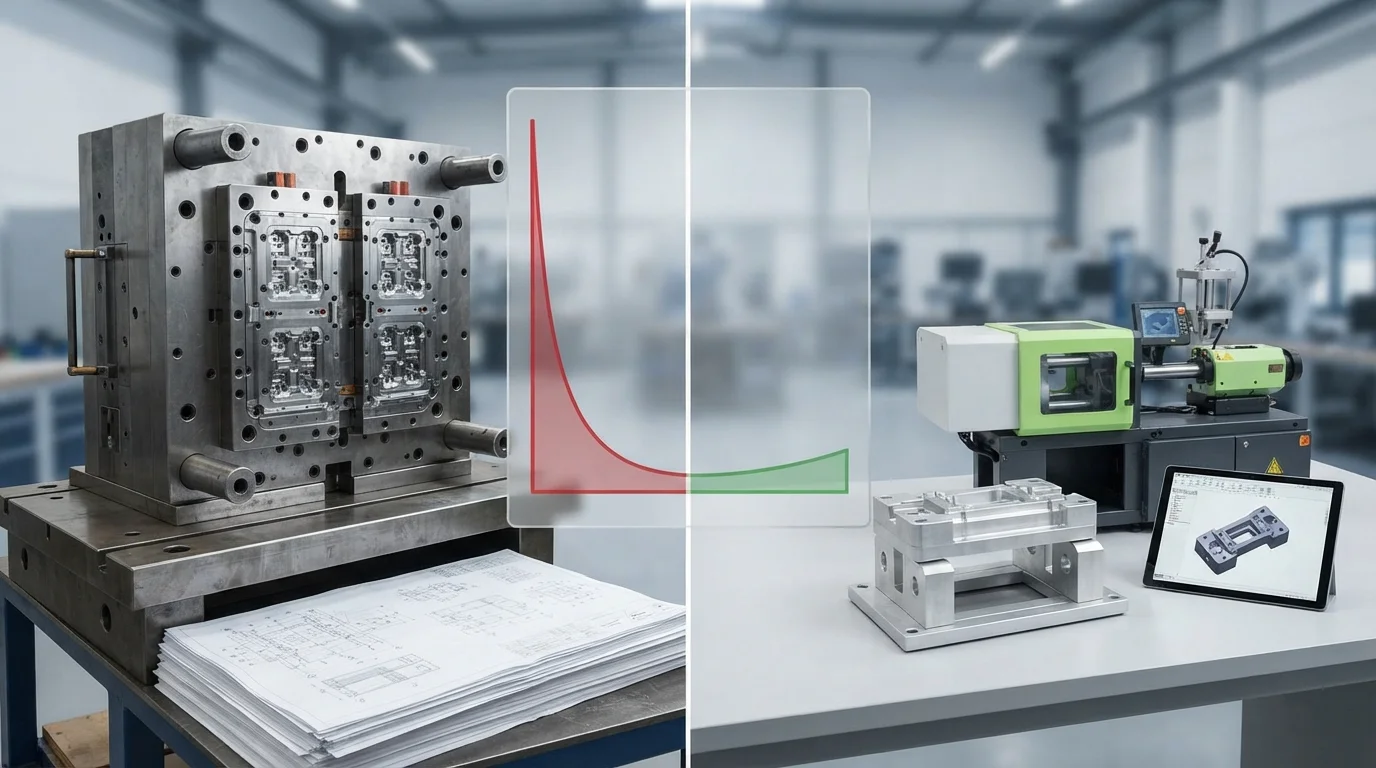
Question: Why do traditional mass-production molds impose severe financial penalties on small-batch production runs? High tooling amortization costs spread across fewer units drive per-piece expenses to unsustainable levels.
Mass-production tooling is engineered for multi-year durability, utilizing vacuum-hardened tool steels designed to withstand millions of injection cycles. For a startup or established enterprise launching a specialized product with targeted demand under 10,000 units, sinking capital into permanent hard tooling creates severe financial drag. Sourcing a dedicated Rapid Tooling Service utilizes aluminum or pre-hardened steel blocks that align perfectly with moderate production volumes without sacrificing part quality.
Structuring small-batch manufacturing operations effectively requires monitoring specific supply chain priorities:
- Capital preservation—Minimizing upfront NRE expenses leaves vital working capital available for software and marketing
- Inventory control—Producing exact batch quantities prevents costly warehouse storage fees and stock obsolescence
- Fast market response—Quick-turn tool fabrication allows rapid adjustments based on real-time customer feedback
Unlocking Global Markets with Jucheng’s Turnkey Injection Solutions
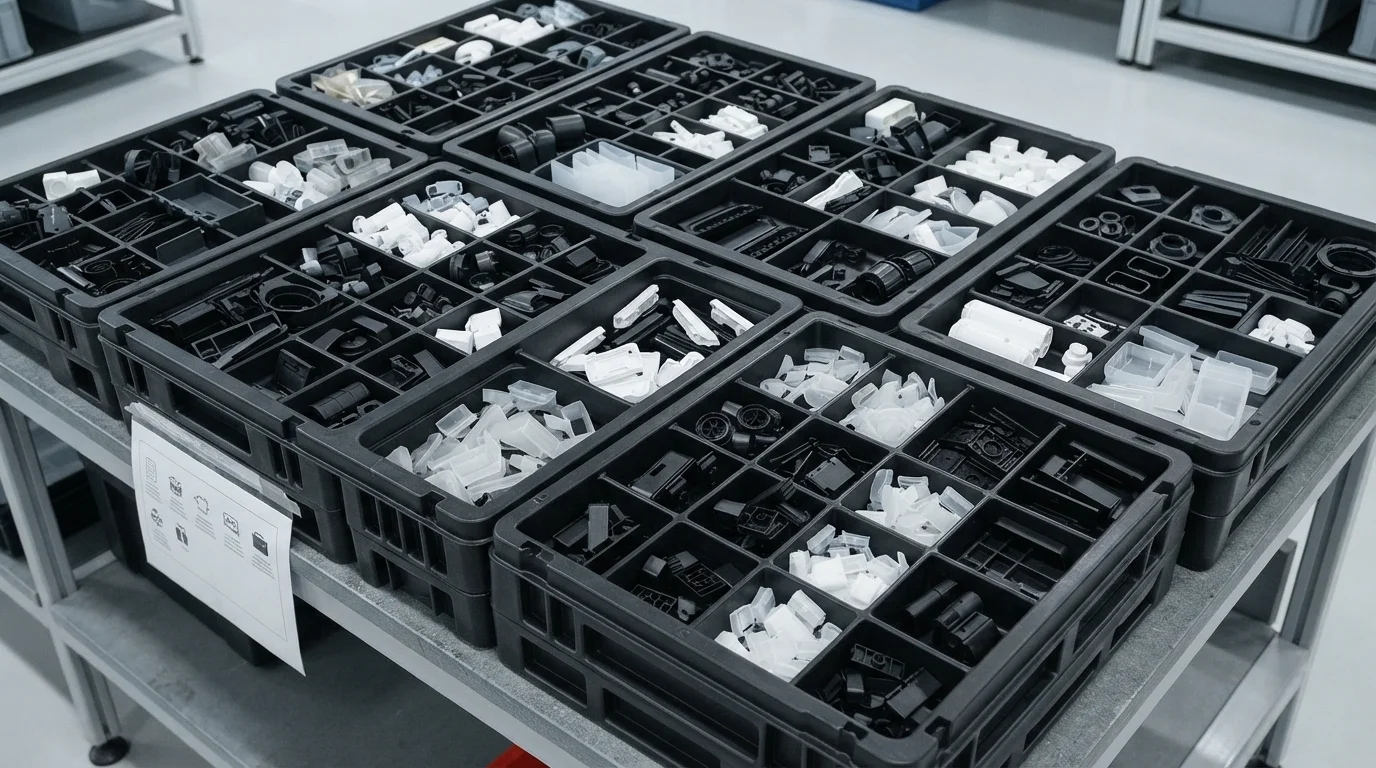
Question: How does Jucheng Precision streamline the transition from initial rapid prototyping to full-scale low-volume manufacturing? Jucheng Precision combines 150+ advanced CNC machines with flexible rapid tooling cells, offering 24-hour free DFM reviews and zero minimum order constraints.
Navigating the complexities of small-batch production requires an integrated manufacturing partner capable of maintaining strict quality oversight under international standards. Jucheng Precision operates under certified ISO 9001 and ISO 14001 frameworks, ensuring absolute material traceability and part consistency across every low-volume batch. Sourcing our turnkey rapid manufacturing solutions empowers product teams to test global markets with real production resins without incurring prohibitive capital penalties.
Partnering with a certified contract manufacturer ensures your small-batch products are built to withstand rigorous end-use environments. Key operational strengths of our manufacturing framework include:
- Comprehensive DFM analysis—Expert engineers evaluate draft angles and wall thicknesses within 24 hours
- Zero minimum order constraints—No MOQ policies allow exact inventory alignment with real market demand
- Integrated post-processing—In-house painting, silk-screening, and texture polishing ensure retail-ready aesthetics
Frequently Asked Questions (FAQ)
What industries benefit the most from rapid tooling?
Any hardware industry operating in the NPI phase with annual production requirements between 500 and 10,000 units—such as medical devices, robotics, and specialized electronics—gains immense financial and schedule advantages from rapid tooling.
Why are traditional hard steel molds impractical for low-volume production runs?
Traditional hard steel molds require massive upfront capital outlays and weeks of fabrication time, making them economically unviable when production volumes are too low to amortize those expenses.
How does Jucheng Precision support low-volume manufacturing?
Jucheng Precision provides 24-hour free DFM reviews, flexible rapid aluminum and steel tooling, zero MOQ policies, and certified injection molding services to streamline small-batch production.

