


Selecting the correct baseline substance during the preliminary design phase determines whether your end-use product will survive harsh operating environments or degrade prematurely under thermal and chemical stress. When weighing fabrication pathways, hardware engineers often realize that laboratory printing materials behave entirely differently than mass-production polymers. Evaluating material selection 3D printing vs rapid tooling uncovers the profound performance gap between brittle photopolymers and genuine, high-strength industrial thermoplastics.
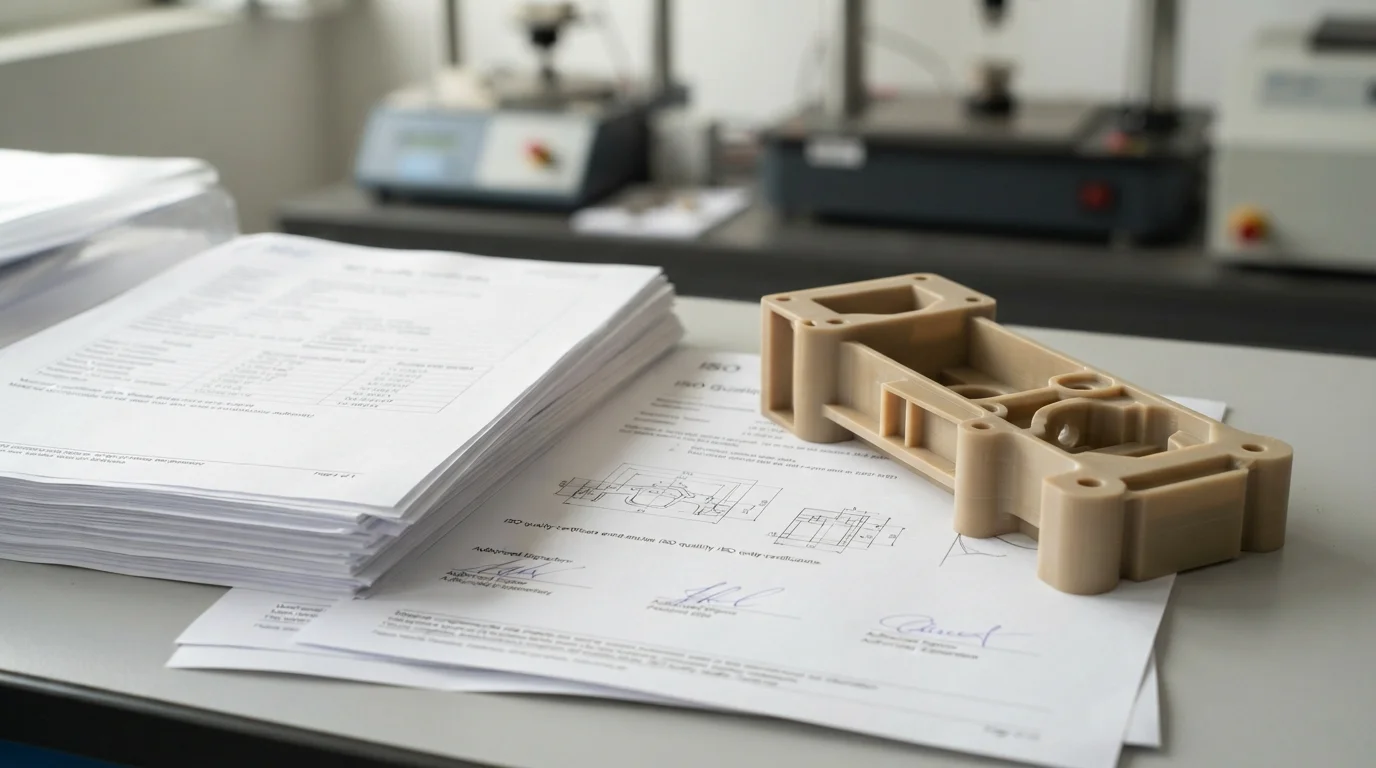
Table of Contents
1. The Limitations of Printable Photopolymers and Sintered Powders
2. Injecting Real Production Plastics via Rapid Metal Molds
3. Material Traceability and Regulatory Compliance Standards
The Limitations of Printable Photopolymers and Sintered Powders
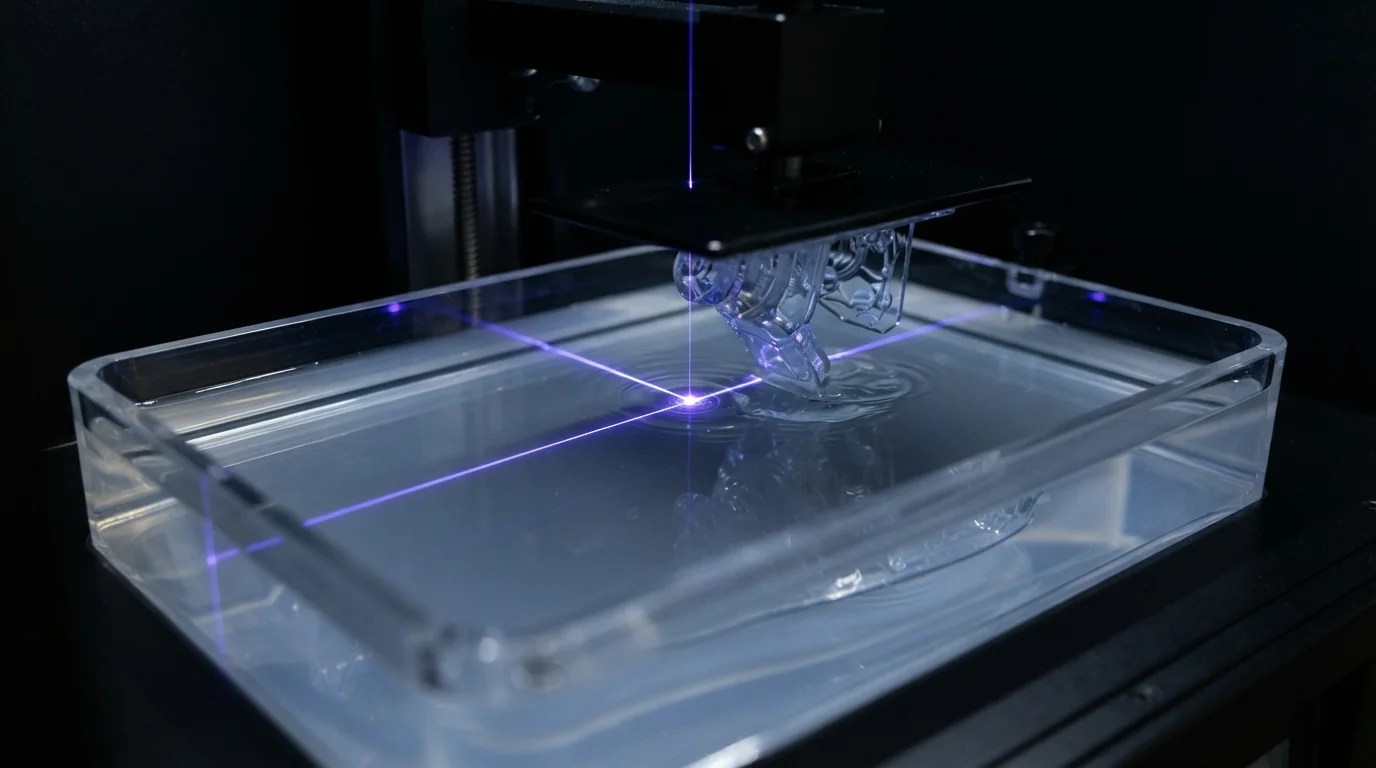
Question: Why do additive manufacturing resins and powders often fail to replicate the long-term chemical and thermal stability of end-use plastics? Printable formulas rely on specialized UV-curable cross-links or sintered nylon grains that degrade rapidly under continuous ultraviolet exposure and high temperatures.
While 3D printing materials have evolved significantly, they remain fundamentally formulated for fast optical curing or selective laser sintering rather than lifelong environmental resilience. Printable resins often absorb ambient moisture, suffer from UV color yellowing, and soften well below the thermal thresholds required for industrial automation or automotive under-hood applications. Sourcing a dedicated Rapid Tooling Service allows engineers to bypass these material ceilings entirely by injecting raw, high-grade plastic pellets.
Contrasting substance behavior across manufacturing platforms involves tracking specific performance properties:
| Substance Attribute | Typical 3D Printing Polymers | Rapid Injection Molded Resins |
|---|---|---|
| Thermal Deflection Limit | Low to Moderate (45°C to 80°C) | High to Extreme (Up to 260°C with PEEK) |
| UV & Weather Aging Resistance | Prone to embrittlement and yellowing | Long-term stability with UV stabilizers |
| Chemical Solvent Tolerance | Degrades when exposed to oils or fuels | Withstands aggressive industrial solvents |
Injecting Real Production Plastics via Rapid Metal Molds
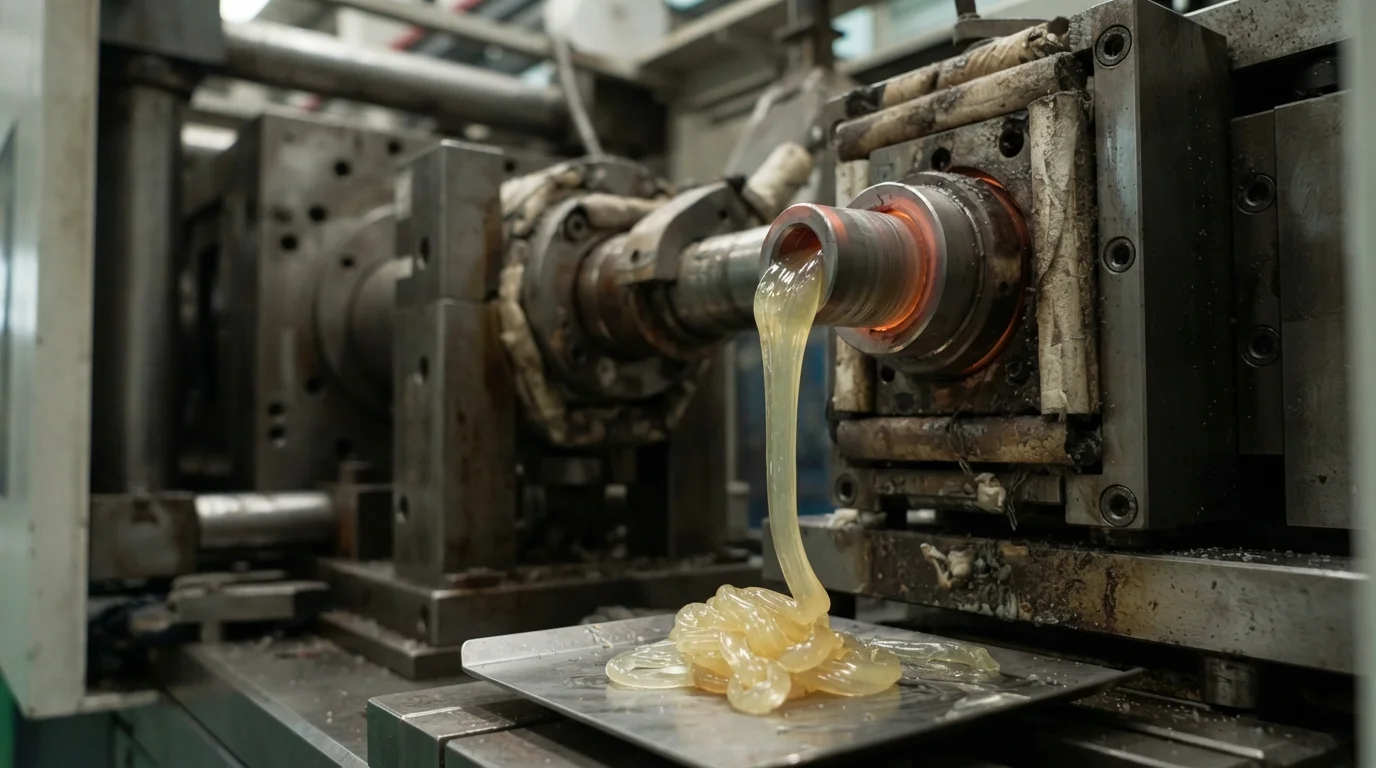
Question: How do rapid aluminum and steel molds facilitate the processing of heavy-duty engineering thermoplastics? Quick-turn metal cavities handle high barrel injection temperatures and intense clamping pressures required for advanced engineering resins.
Utilizing bridge metal tools opens access to thousands of commercial thermoplastic grades, ranging from glass-filled nylon (PA+GF) and flexible elastomer (TPU) to ultra-performance polyetheretherketone (PEEK) and standard ABS. Utilizing an agile Injection Molding Service ensures consistent barrel heating and uniform melt flow behavior during pilot manufacturing campaigns.
Optimizing substance selection and ensuring exact performance match involves monitoring specific engineering guidelines:
- Selecting glass-reinforced grades—Utilizing PA+GF compounds to achieve maximum structural rigidity and tensile strength
- Employing flexible elastomers—Molding durable TPU components that require high tear resistance and repetitive bending
- Processing high-temperature PEEK—Executing advanced thermal molding for specialized aerospace and medical hardware
Material Traceability and Regulatory Compliance Standards
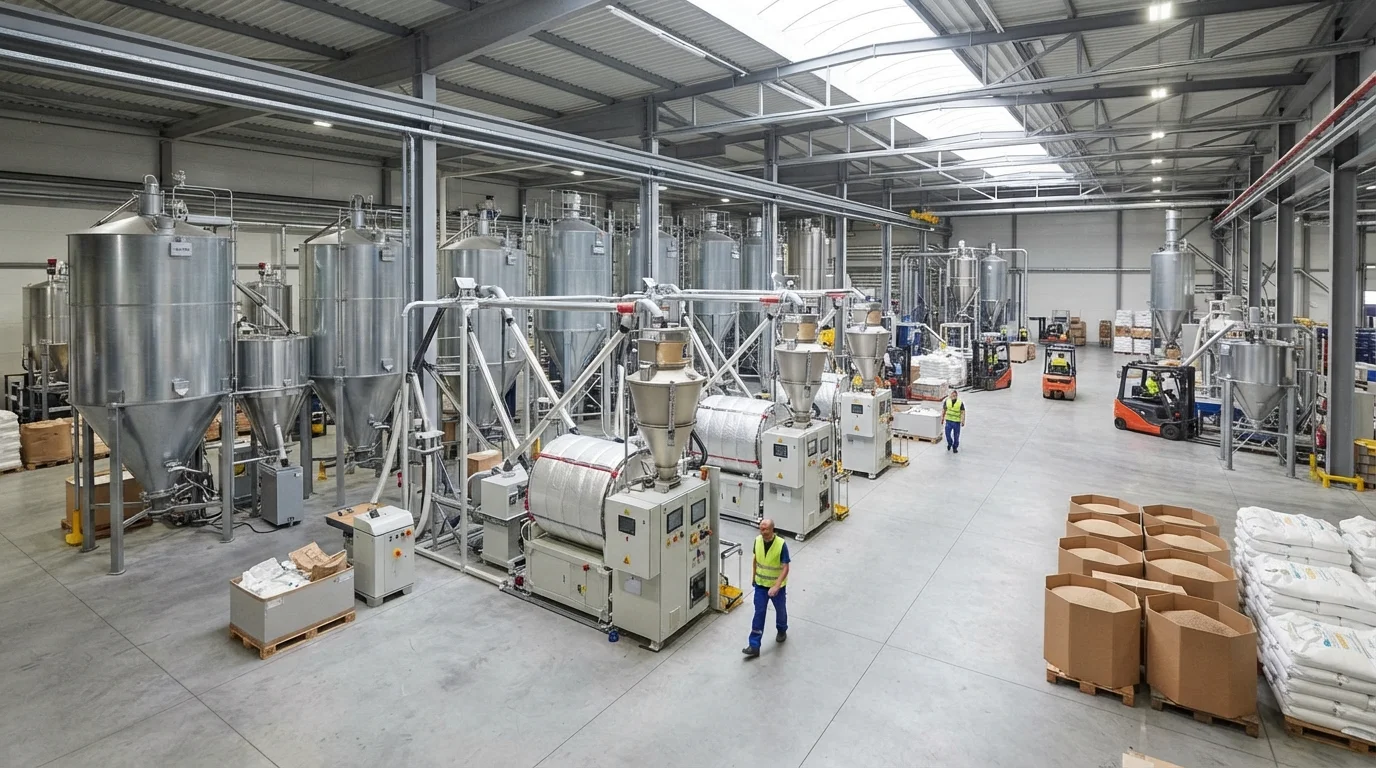
Jucheng Precision supports hardware developers by delivering comprehensive 24-hour free DFM reviews that evaluate substance shrinkage parameters, structural wall thicknesses, and gating positions prior to tool cutting. Operating with 150+ advanced CNC machines alongside 35+ specialized injection molding workstations, our facilities maintain strict compliance with global quality frameworks including ISO 13485 for medical devices and IATF 16949 for automotive manufacturing.
Key operational advantages of our compliant manufacturing framework include:
- Full material certification—Providing batch-specific mill test reports and resin certificates of analysis
- Regulated quality management—Adhering strictly to ISO 13485 and IATF 16949 standards across all production lines
- Zero minimum order constraints—No MOQ policies allow exact inventory alignment with customized pilot production runs
Ready to utilize certified engineering plastics? Let Jucheng’s material experts secure your supply chain compliance today.
Frequently Asked Questions (FAQ)
Why do 3D printing resins fall short in high-temperature or outdoor applications?
Printable photopolymers and sintered powders are formulated primarily for fast laser building rather than lifelong UV or thermal resilience, causing them to degrade or soften prematurely.
What production-grade thermoplastics can be processed using rapid metal molds?
Rapid metal molds can inject thousands of commercial engineering plastics, including glass-filled nylon, flexible TPU, high-temperature PEEK, polycarbonate, and standard ABS.
How does Jucheng Precision ensure regulatory compliance for regulated industries?
Jucheng Precision maintains strict adherence to ISO 13485 and IATF 16949 standards, offering full material traceability and certified documentation for medical and automotive programs.

