


Exquisite visual aesthetics can make or break a consumer product during its critical initial unveiling. When hardware designers hold an early physical prototype, the tactile and cosmetic appearance immediately dictates market perception. Unfortunately, evaluating commercial cosmetics exposes a massive divergence between additive fabrication and bridge tooling. Analyzing surface finish 3D printing vs rapid tooling reveals why achieving retail-ready perfection requires abandoning manual sanding in favor of direct-from-press metal mold replication.
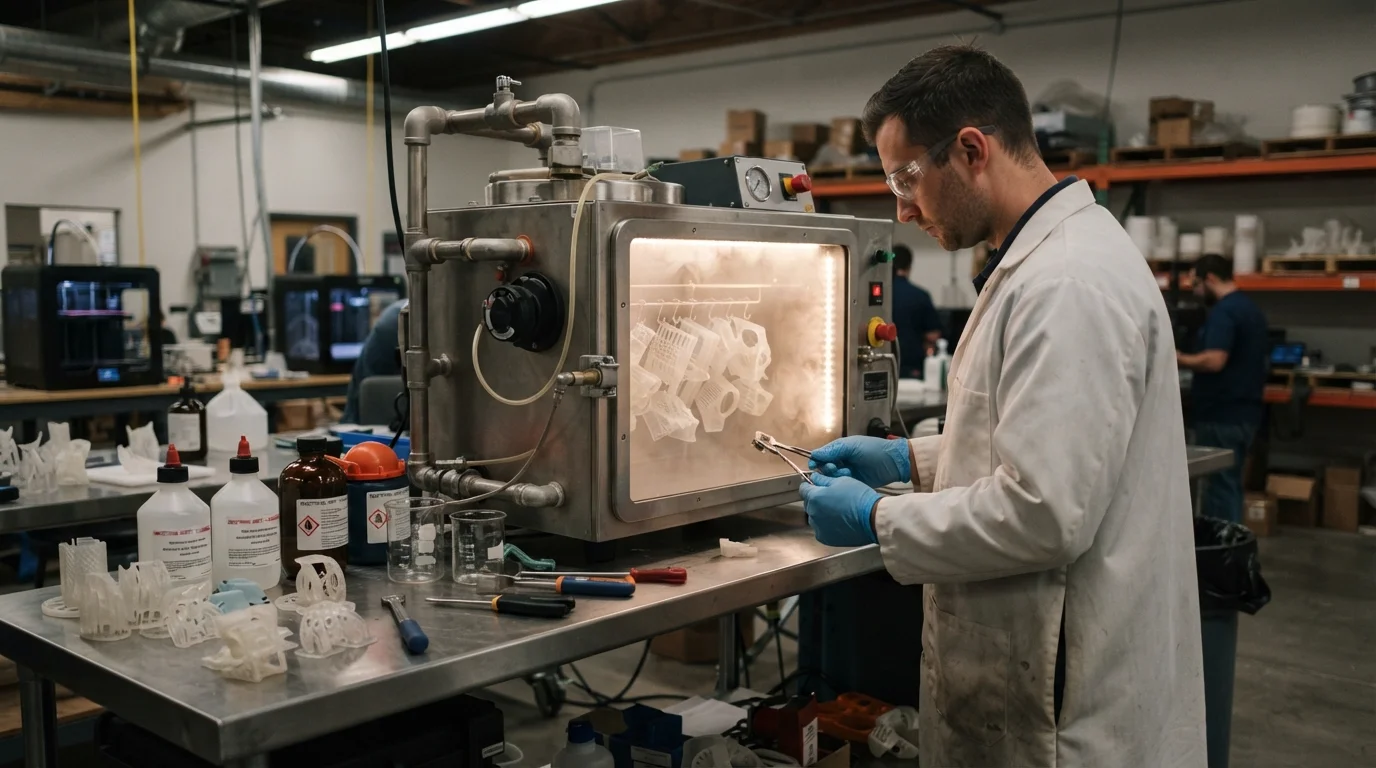
Table of Contents
1. Conquering Layer Lines: The Post-Processing Burden of 3D Printed Parts
2. In-Mold Textures and SPI Finishes: Getting It Straight from the Press
Conquering Layer Lines: The Post-Processing Burden of 3D Printed Parts
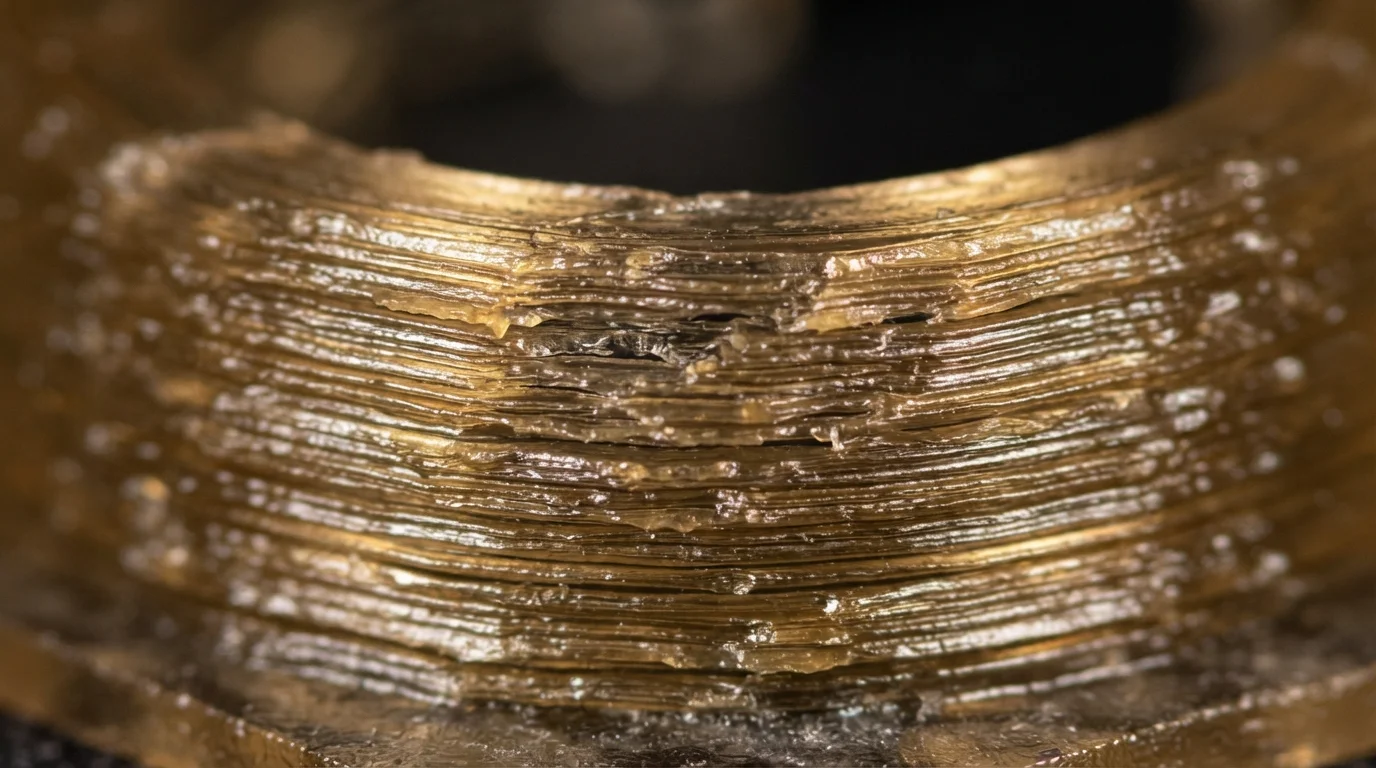
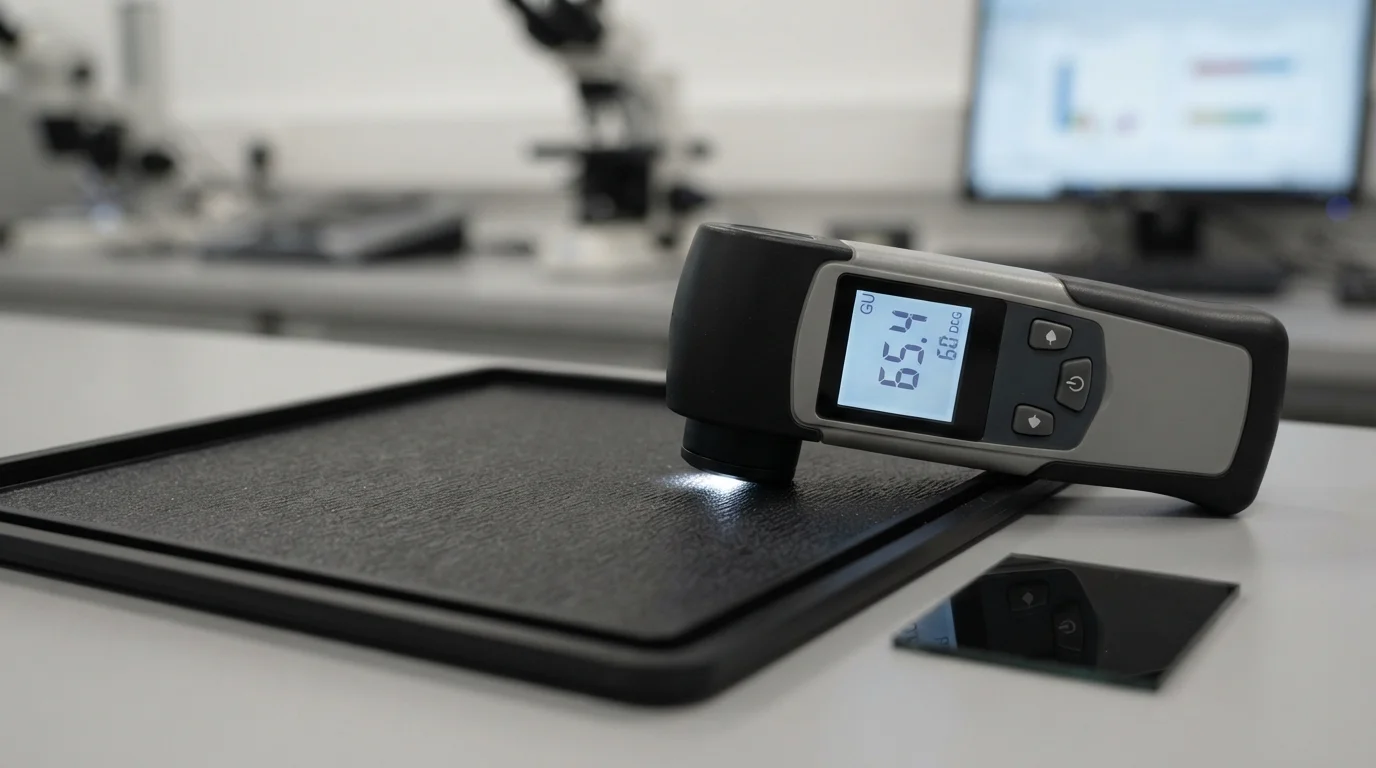
Question: Why do 3D printed components inherently require extensive manual labor to achieve acceptable cosmetic smoothness? Additive deposition builds parts through visible horizontal strata, leaving micro-grooves that trap dirt and distort light reflections.
Even high-resolution stereolithography or selective laser sintering leaves distinct topographical signatures that demand hours of hand sanding, priming, and chemical vapor smoothing. While these post-processing interventions improve appearance, they frequently round off sharp structural edges and fill in delicate micro-textures. Shifting toward a dedicated Rapid Tooling Service bypasses manual smoothing entirely by transferring mirror-polished cavity textures directly onto the polymer surface during rapid press injection.
Contrasting cosmetic development pathways involves tracking specific surface processing attributes:
| Cosmetic Attribute | Advanced 3D Printed Finish | Rapid Injection Molded Finish |
|---|---|---|
| Initial Surface Topography | Visible horizontal layer steps | Flawless replication of metal tool polish |
| Sharp Edge Retention | Rounds off due to manual sanding | Crisp, razor-sharp parting lines and corners |
| Batch-to-Batch Consistency | Variable due to manual post-work | Identical cosmetic finish across thousands of units |
In-Mold Textures and SPI Finishes: Getting It Straight from the Press
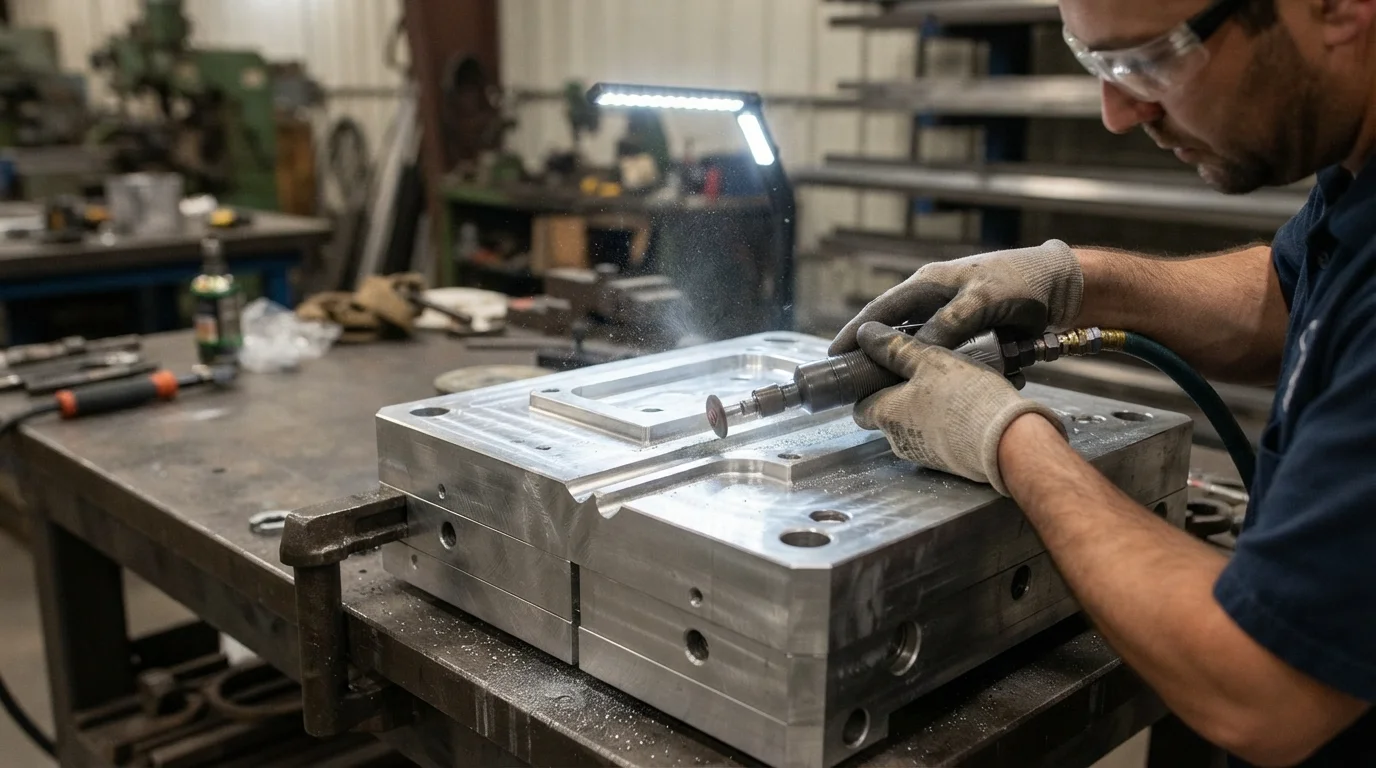
Question: How do rapid mold inserts achieve high-gloss mirror sheens or complex matte VDI textures instantly during extraction? Expert toolmakers hand-polish soft aluminum or steel cavity walls to exact SPI standards before production injection begins.
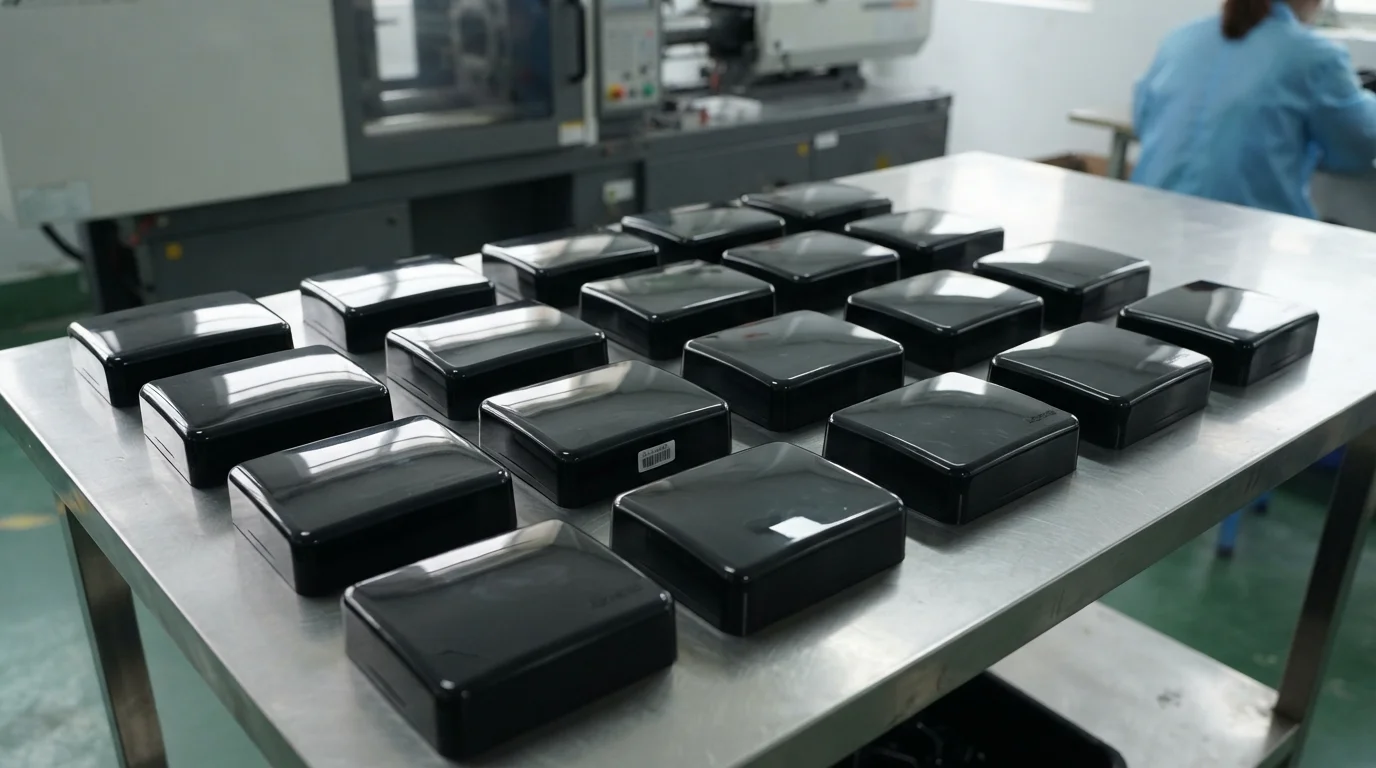
Getting cosmetics straight from the press eliminates secondary labor expenses and guarantees uniform branding across every manufactured unit. Whether your commercial design calls for an optical-grade clear lens or a rugged matte electronic housing, bridge tooling processes authentic polymers like ABS or Polycarbonate (PC) with flawless visual fidelity. Utilizing an agile Injection Molding Service ensures optimal melt temperature control to prevent surface blemishes.
Optimizing cosmetic outcomes and maintaining pristine visual standards involves monitoring key finishing protocols:
- SPI-A2 mirror polishing—Eliminating micro-scratches from aluminum mold cores for crystal-clear optical lenses
- VDI texture chemical etching—Imparting sophisticated matte grains onto cavity surfaces to conceal fingerprints on handheld devices
- Controlled mold release—Preventing ejection scuffs through optimized draft angles and polished core walls
Cosmetic Perfection for Consumer and Medical Enclosures
Jucheng Precision supports hardware developers by delivering comprehensive 24-hour free DFM reviews that evaluate draft angles, texture depths, and gate locations prior to cutting metal. Operating with 150+ advanced CNC machines alongside 35+ specialized injection molding workstations, our ISO 9001 certified facilities ensure exceptional cosmetic standards across every batch.
Key operational advantages of our comprehensive finishing framework include:
- Expert toolroom polishing—Skilled technicians execute precise SPI and VDI finishes directly inside metal mold cores
- Turnkey post-processing—In-house painting, laser etching, and silk-screening deliver retail-ready device exteriors
- Zero minimum order constraints—No MOQ policies allow exact inventory alignment with customized pilot production runs
Ready to elevate your product cosmetics? Let Jucheng’s finishing specialists bring your design to retail perfection.
Frequently Asked Questions (FAQ)
Why do 3D printed parts require intensive post-processing for smooth cosmetics?
Additive manufacturing builds objects through visible horizontal strata, leaving micro-grooves that trap dirt and require manual sanding or chemical vapor smoothing to achieve smoothness.
How do rapid injection molds achieve mirror-polish finishes straight from the press?
Expert toolmakers hand-polish aluminum or steel mold cavity walls to exact SPI standards, allowing the injected polymer to replicate the mirror sheen instantly upon ejection.
How does Jucheng Precision support cosmetic finishing requirements?
Jucheng Precision provides 24-hour free DFM reviews, expert toolroom polishing, VDI texturing, and turnkey post-processing to guarantee retail-ready device aesthetics.

