


Powder Coating Rapid Injection Molded Parts: Durability and Aesthetics
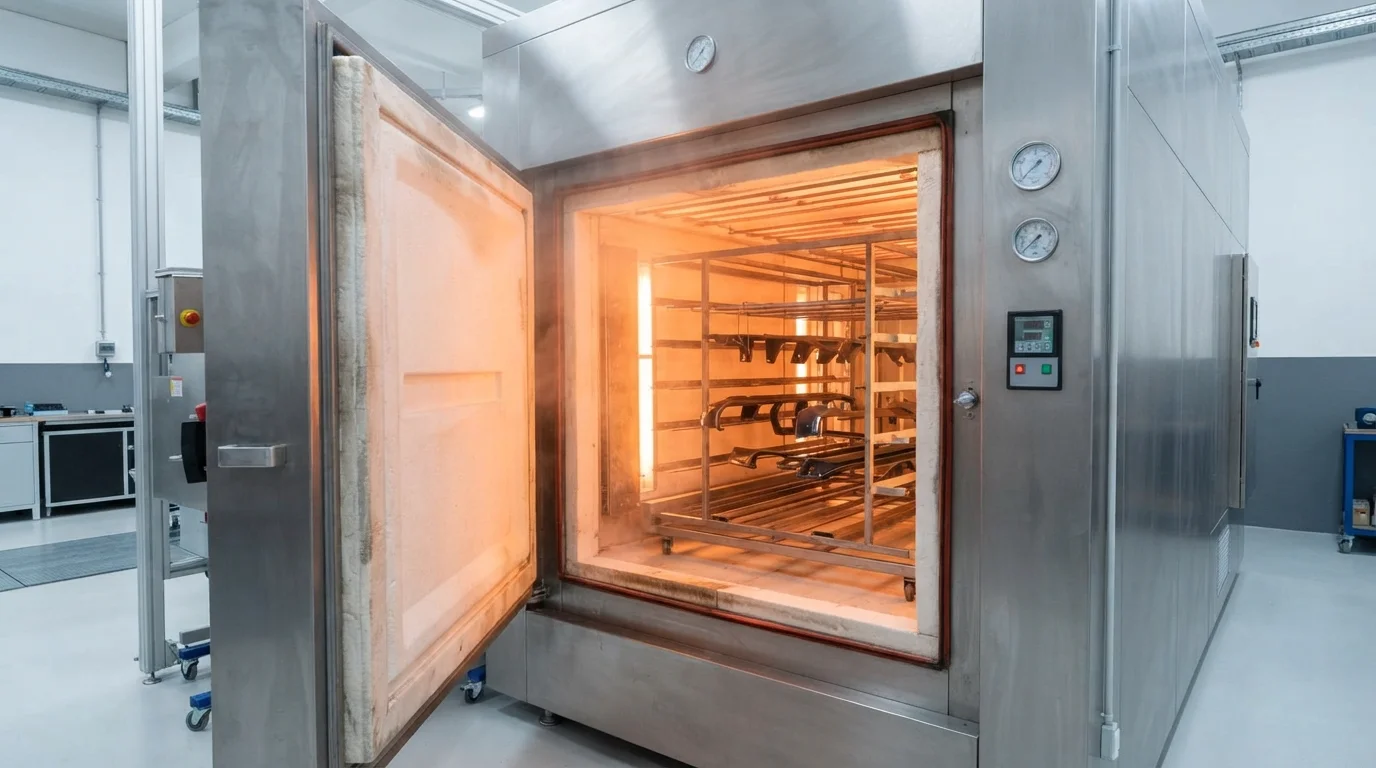
Enhancing surface resilience on structural enclosures often requires robust protective layers that outlast standard liquid paints. When development teams investigate powder coating rapid injection molded parts, understanding polymer thermal limits is critical to avoid melting plastic blanks inside curing ovens. Without proper thermal selection, applying durable finishes to short-run components can lead to catastrophic thermal deformation.
Utilizing an experienced rapid tooling provider ensures that structural parts molded via injection molding are compatible with advanced secondary finishing techniques. Let us explore the specialized resins and electrostatic processes that make plastic powder coating possible.
Module 1 – Definition and Working Principles of Electrostatic Coating
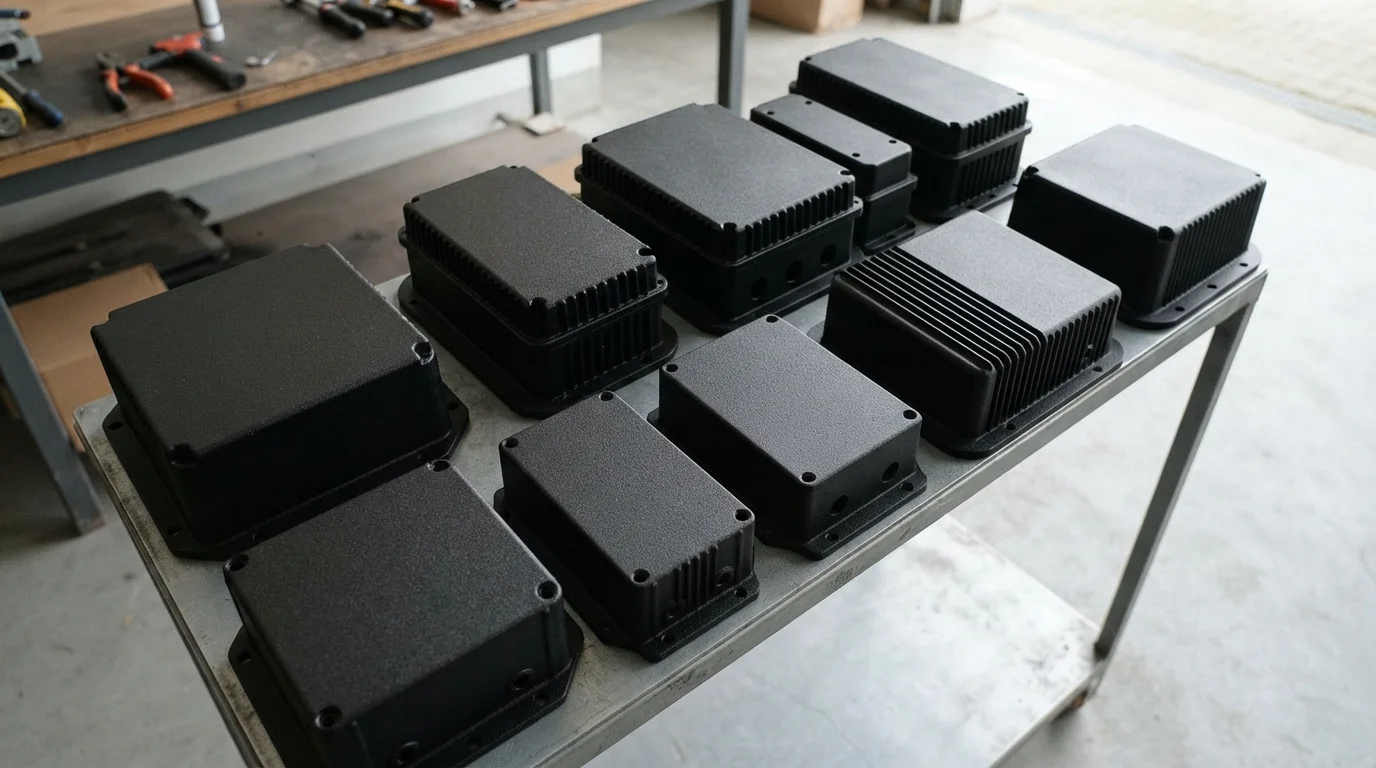
Powder coating is an advanced dry finishing process where finely ground particles of pigment and resin are electrostatically charged and sprayed onto a grounded substrate. The working principle relies on thermal curing ovens melting the powder into a smooth, continuous protective film. While traditionally applied to metal frameworks machined through CNC machining, specialized low-bake or high-temperature engineering plastics can also receive this treatment.
To execute structured powder coating workflows on polymer components, operators could follow these practical steps:
- Substrate Pre-Heating: Warm high-temperature resins such as PEEK or glass-filled nylon (PA) to create temporary surface conductivity for electrostatic attraction.
- Electrostatic Spraying: Apply charged powder particles evenly using specialized spray guns across all complex enclosure contours.
- Thermal Curing: Cure the coated items inside precision ovens at controlled temperatures to cross-link the polymer skin.
Module 2 – Core Application Scenarios
Electrostatic finishing is essential across rigorous industrial sectors including heavy machinery enclosures, outdoor telecommunication boxes, and aerospace interior housings where superior scratch resistance and chemical durability dictate commercial success. Feedback from professional prototyping groups on Reddit and Facebook indicates that powder-coated polymers provide near-metal resilience.
Primary application sectors include:
- Industrial Enclosures: Coating rugged structural housings that must withstand harsh chemical washdowns and heavy mechanical impacts.
- Outdoor Electronics: Protecting weather-exposed controller boxes against ultraviolet fading and corrosive moisture.
- Aerospace Interiors: Finishing lightweight structural brackets requiring strict flame-retardant performance and wear resistance.
Module 3 – Key Selection Factors for Project Success
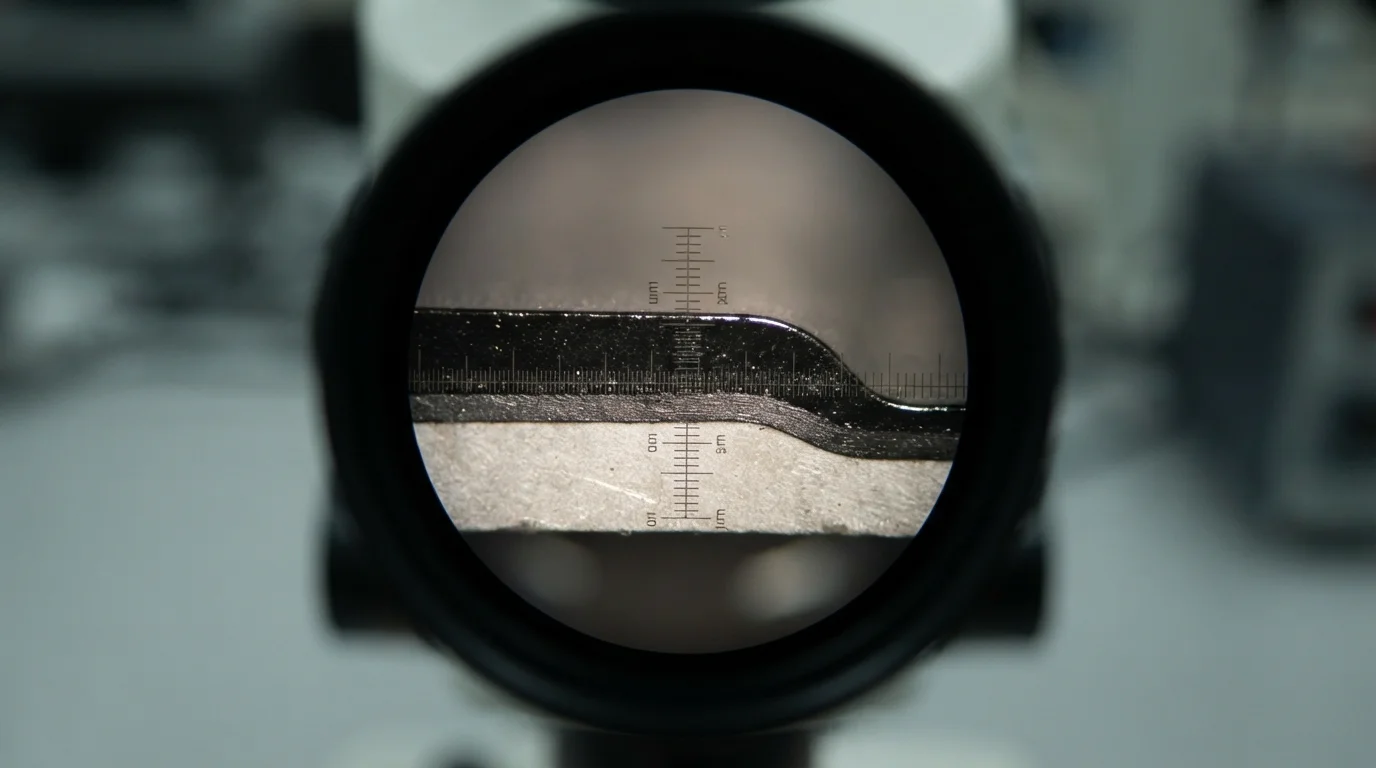
When specifying electrostatic finishing for rapid molded items, engineering teams must weigh polymer heat deflection limits against coating adhesion and film thickness. Evaluating these core parameters ensures your parts achieve industrial-grade resilience.
| Substrate Material | Thermal Curing Compatibility | Primary Performance Benefit |
|---|---|---|
| Standard Plastics (ABS, PC) | Poor (Melts under standard thermal cures) | Requires alternative liquid painting methods |
| High-Temp Nylons (PA) | Moderate (Requires low-bake thermoset powders) | Enhanced impact toughness and chemical defense |
| PEEK Engineering Resin | Excellent (Withstands aggressive thermal cycles) | Ultimate scratch resistance and thermal protection |
Module 4 – Installation and Maintenance Tips
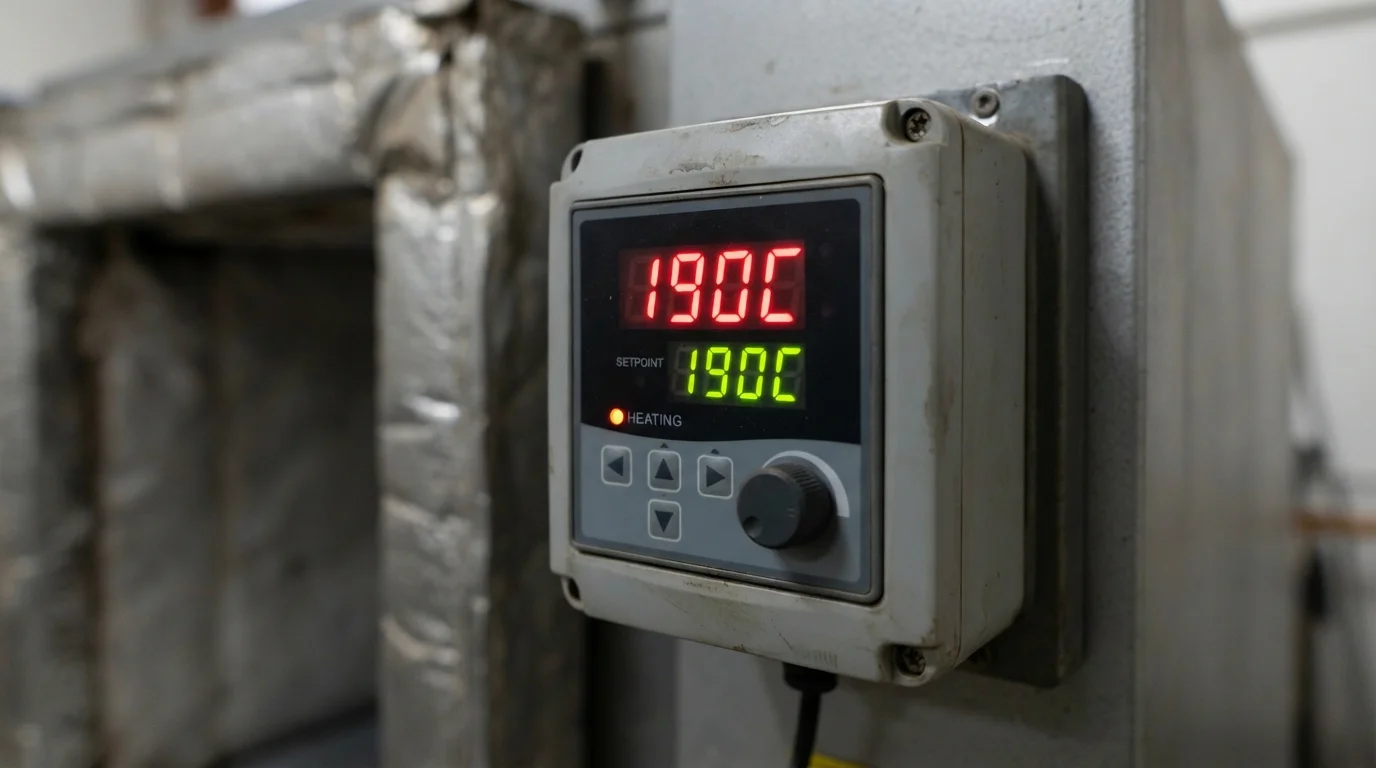
Proper handling during thermal curing and routine cleaning safeguard powder-coated polymer surfaces across active industrial deployments. Protecting hardened exterior films from sharp mechanical impact ensures long-term barrier defense.
Key installation and maintenance tips include:
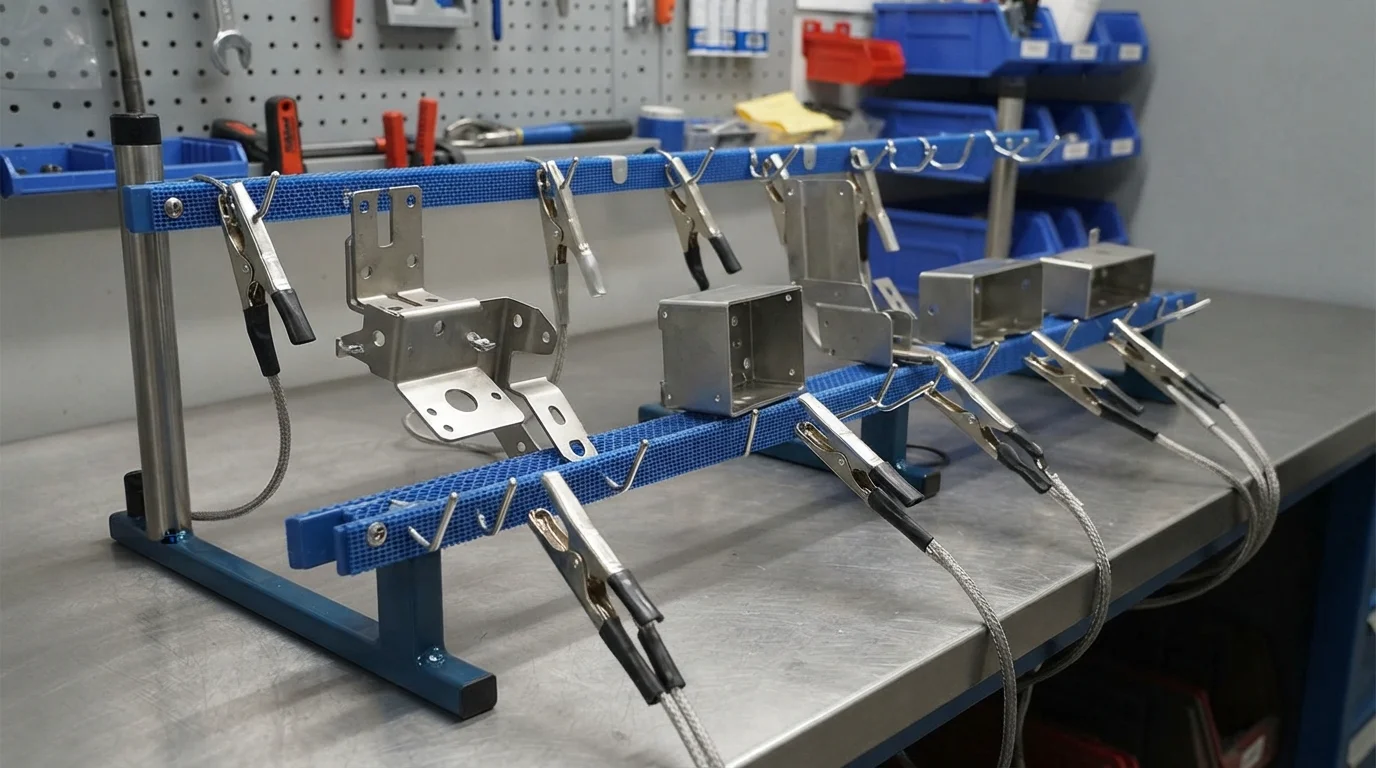
- Controlled Racking: Suspend coated components securely via grounding points to prevent surface sagging during thermal curing.
- Gentle Washdown: Clean finished exterior surfaces using mild non-solvent detergents to preserve gloss and texture sheen.
- Impact Avoidance: Prevent sharp metallic tools from striking coated edges during field assembly operations.
Module 5 – Frequently Asked Questions (FAQ)
1. Can you powder coat standard plastic injection molded parts?
Standard plastics like ABS or PC melt under traditional powder curing temperatures, meaning electrostatic powder coating is restricted to high-temperature engineering resins like PEEK or specialty nylons.
2. What plastics are compatible with electrostatic powder coating?
High-temperature thermoplastics such as PEEK and select glass-filled nylons that withstand thermal curing ovens without structural deformation are compatible.
3. How does powder coating improve rapid molded part durability?
It forms a thick, cross-linked protective skin that offers superior resistance against scratching, UV weathering, and harsh industrial chemical exposure.
4. Why do plastic parts require pre-heating for powder coating?
Pre-heating creates temporary surface conductivity, allowing electrostatically charged powder particles to adhere uniformly across non-conductive plastic substrates.
5. What are the temperature limits of powder coating rapid parts?
Curing temperatures typically range from 130°C to 200°C, requiring base polymers to possess high thermal deflection points well above those thresholds.
6. How does Jucheng Precision support advanced surface finishing?
Jucheng Precision provides expert engineering guidance, rapid tooling, and high-performance finishing options under strict ISO quality controls.
Module 6 – Why Choose JUCHENG for Your Project
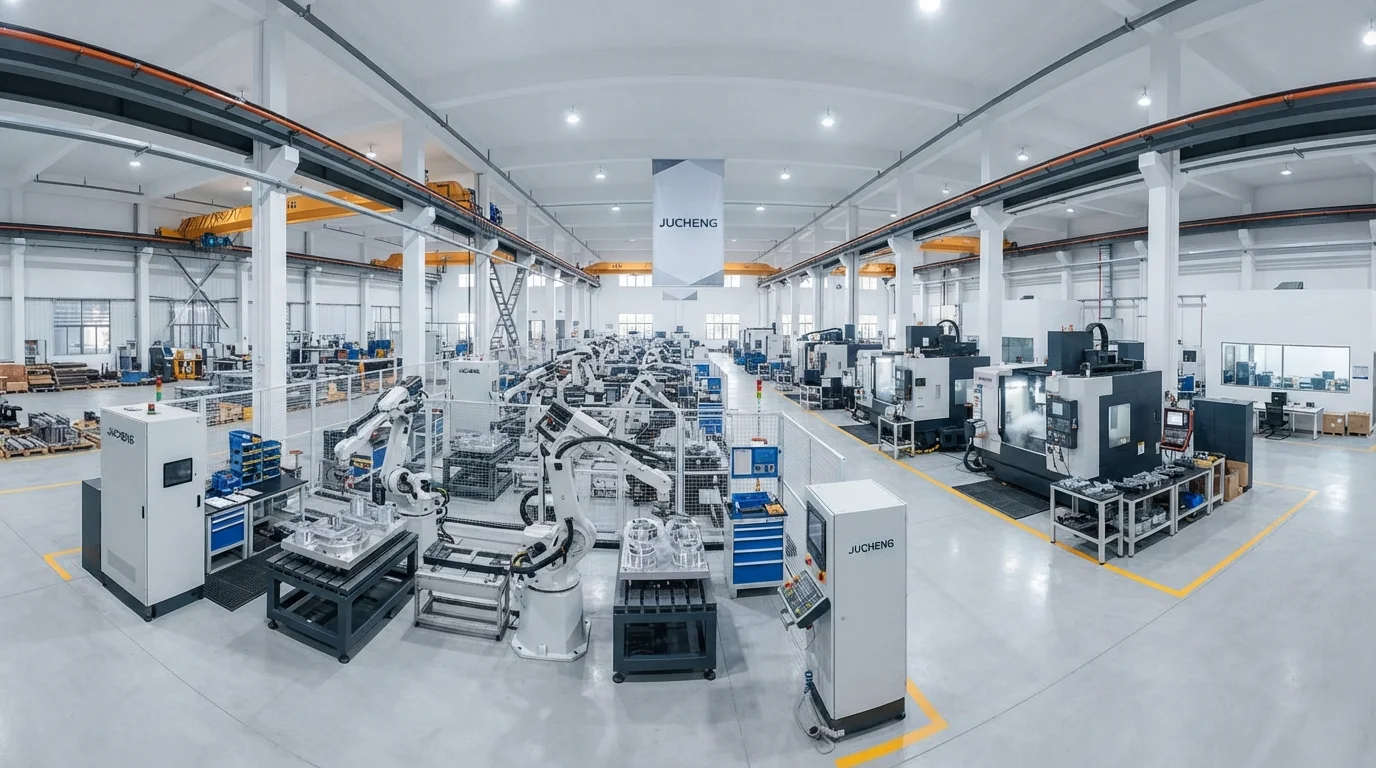
Achieving durable surface finishing requires an experienced manufacturing partner. JUCHENG supports hardware innovators by delivering comprehensive 24-hour free DFM reviews that analyze draft angles, material selection, and gate locations prior to tool cutting. Founded in Shenzhen in 2012 with an 8,000-square-meter facility in Dongguan, our factory houses 150+ advanced machines, including 25+ high-performance 5-axis Haas and Mazak milling centers.
Backed by ISO 9001, ISO 14001, ISO 13485, and IATF 16949 certifications, our engineering teams ensure your bridge tooling achieves optimal finishing and structural excellence.
Ready to Enhance Your Molded Parts with Professional Coatings?
Upload your 3D models today to receive instant feedback, competitive pricing, and professional DFM analysis from our seasoned engineering experts. Let JUCHENG bring your complex designs to life with unmatched speed and reliability!

