


Achieving tight dimensional boundaries for cylindrical features, locating pins, and screw-clearing passages represents one of the most demanding tasks during rapid injection mold design. Because molten plastics shrink unpredictably around stationary steel core pins, predicting exact inner diameters and pin locations requires balancing draft angles, steel stability, and ejection mechanics. Controlling rapid tooling hole and pin tolerances prevents binding interference during final hardware assembly and ensures smooth mechanical operation.
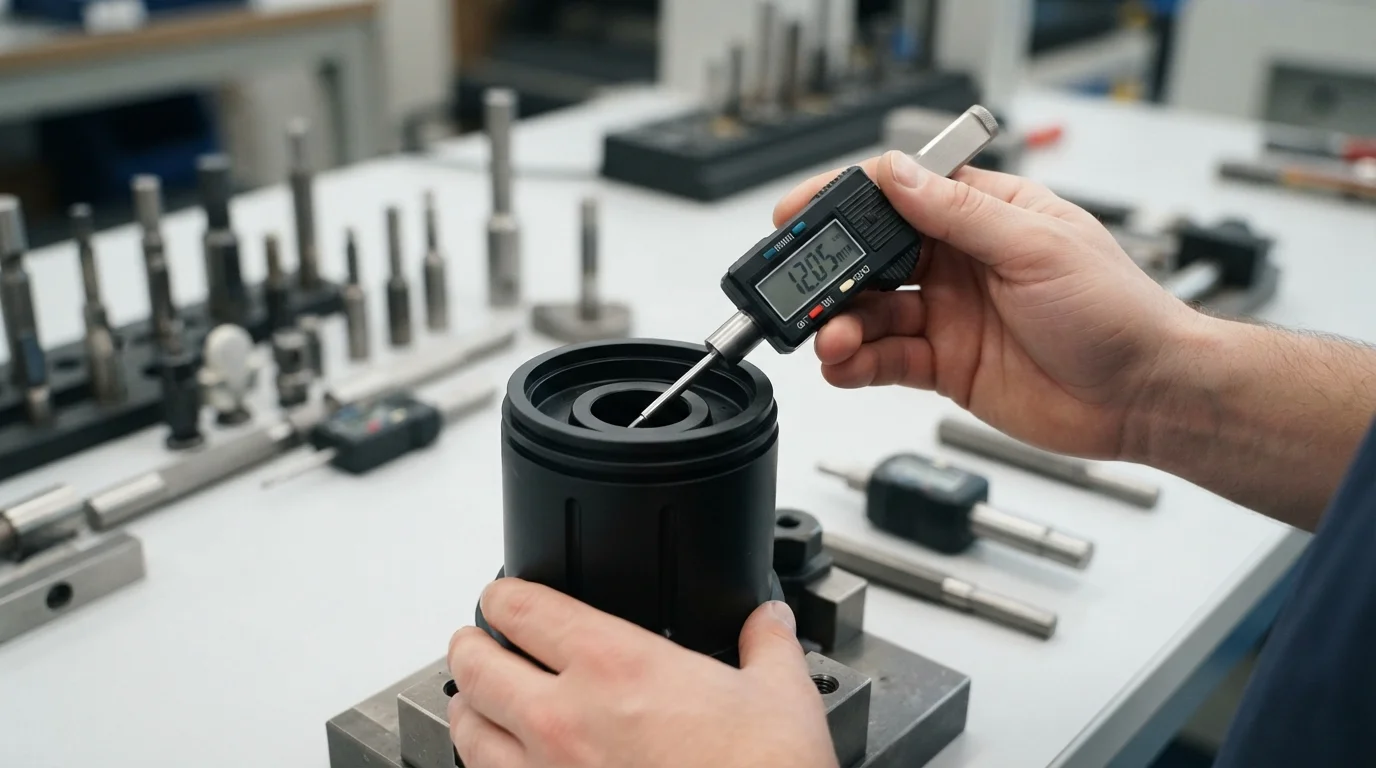
Navigating precision limits within Rapid tooling tolerances involves deciding whether to mold features directly using steel core pins or machine critical holes via secondary CNC operations. Utilizing modular aluminum or pre-hardened steel bridge tools accelerates initial manufacturing cycles while maintaining reliable overall part geometry. Let us examine the precision tradeoffs between cored holes and secondary machining.
Table of Contents
1. Cored Holes vs. Machined Holes: Precision Comparison
2. Ejector Pin Marks and Push-Out Tolerances in Rapid Molds
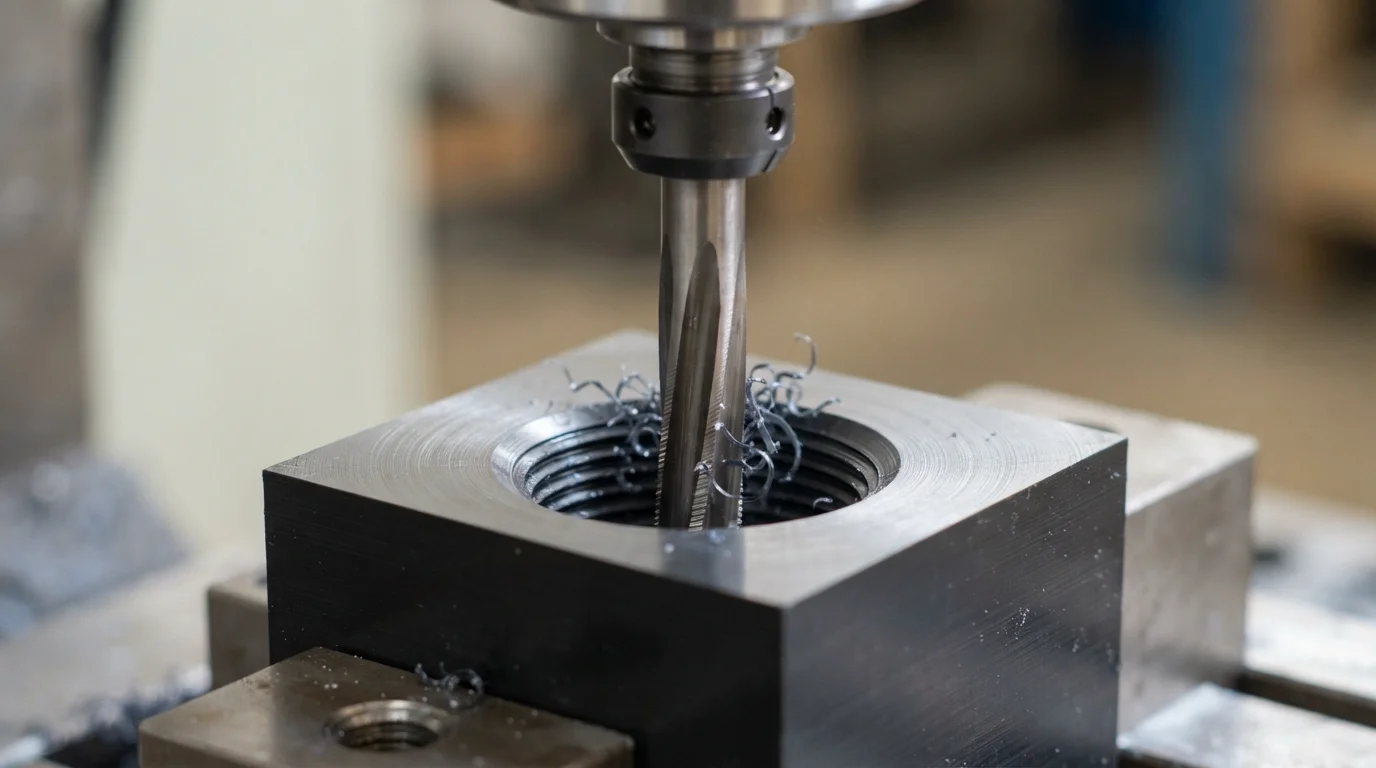
3. The Ultimate Fix: Post-Molding CNC Machining for Critical Holes
Cored Holes vs. Machined Holes: Precision Comparison
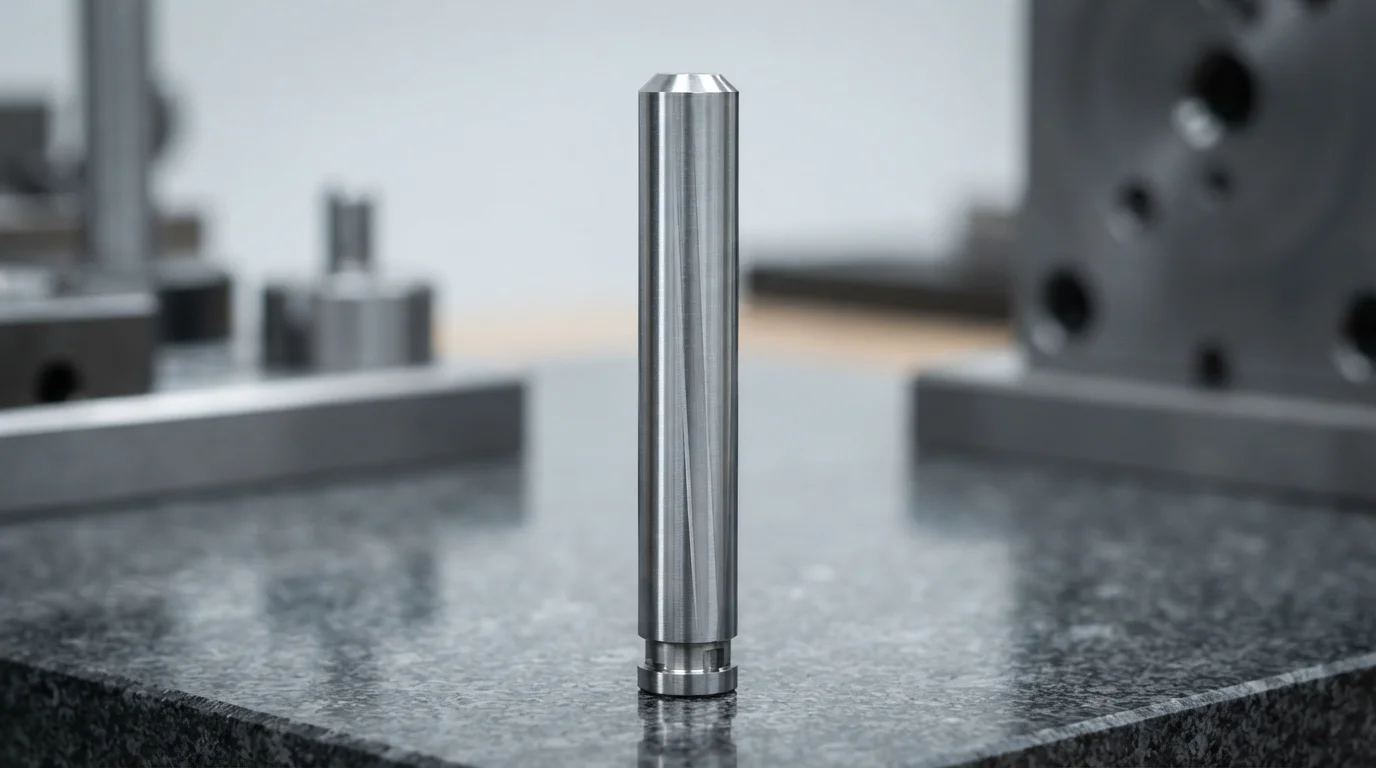
Molding holes directly using steel core pins inside rapid soft tools saves valuable secondary production time, but polymer shrink-wrap forces can grip steel pins tightly, causing ejection resistance. Conversely, drilling or reaming holes post-molding bypasses volumetric shrinkage drift, delivering micron-level inner diameter accuracy ideal for high-wear bearing sleeves or tight shafts.
Choosing the right forming method depends heavily on whether the component utilizes engineering resins like rigid POM (Acetal) or impact-resistant Polycarbonate (PC). Utilizing an agile Injection Molding Service ensures consistent direct molding, while an experienced Prototype Service lets engineering teams test functional fits early.
Evaluating precision tradeoffs between cored features and post-molded drilling outlines clear operational distinctions:
| Hole Formation Method | Achievable Diameter Tolerance | Production Efficiency |
|---|---|---|
| Direct Cored Molding | ±0.08 mm to ±0.15 mm | High (Formed directly during ejection cycle) |
| Secondary CNC Reaming | ±0.01 mm to ±0.025 mm | Moderate (Requires post-molding machining step) |
Ejector Pin Marks and Push-Out Tolerances in Rapid Molds
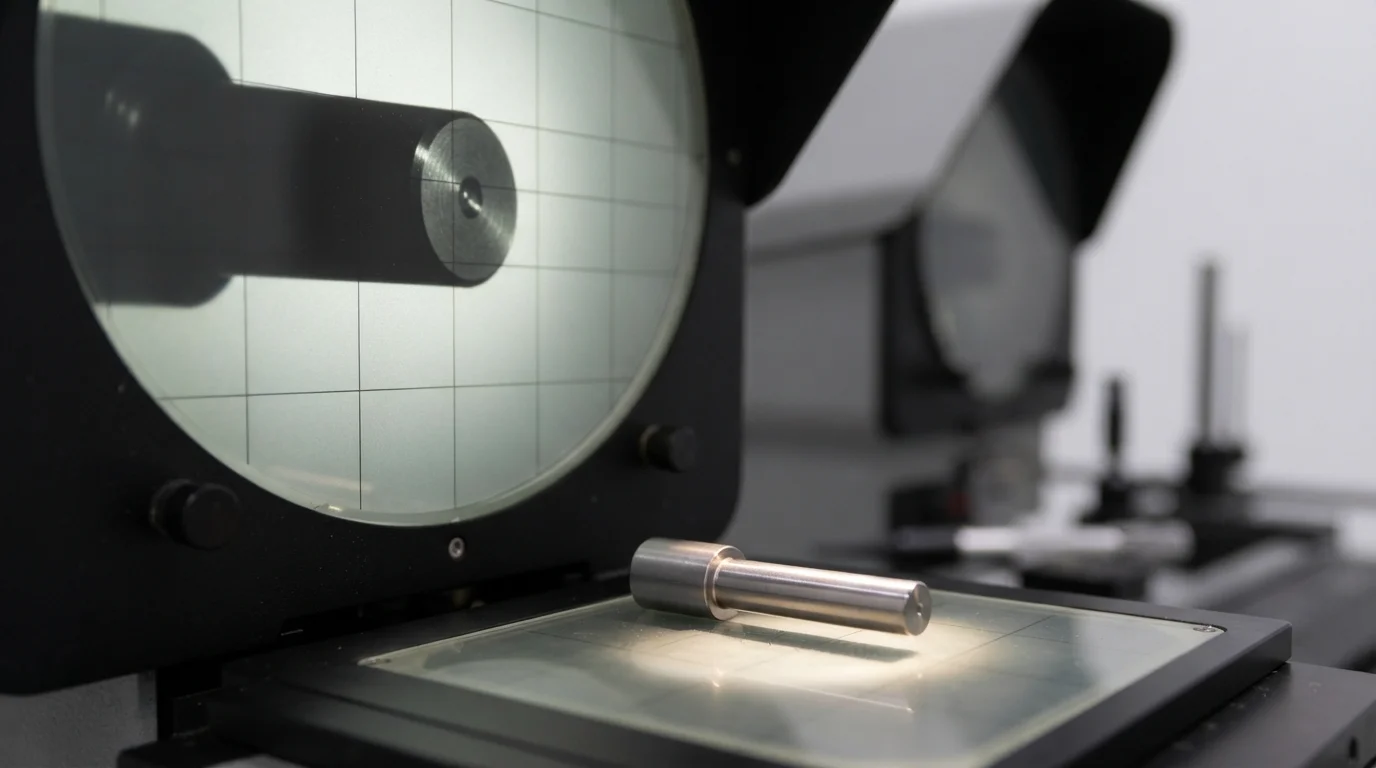
When solid polymer parts cool and grip core pins tightly, mechanical ejector pins must push the component free from the rapid mold cavity. This forceful mechanical push leaves minor surface witness marks or localized push-out depressions. If ejector pins strike too close to critical hole perimeters or precision mating flanges, the resulting surface distortion can compromise flatness and positional tolerances.
Managing ejector pin placement and mitigating push-out deformation requires monitoring specific shop-floor safeguards:
- Strategic pin positioning—Locating ejector pins along non-functional interior ribs or thick boss bases away from critical holes
- Balanced stroke velocity—Calibrating ejection speed prevents localized stress whitening or structural cracking around pin tips
- Sleeve ejection utilization—Employing hollow sleeve pins for cylindrical bosses ensures uniform pushing force without distortion
The Ultimate Fix: Post-Molding CNC Machining for Critical Holes
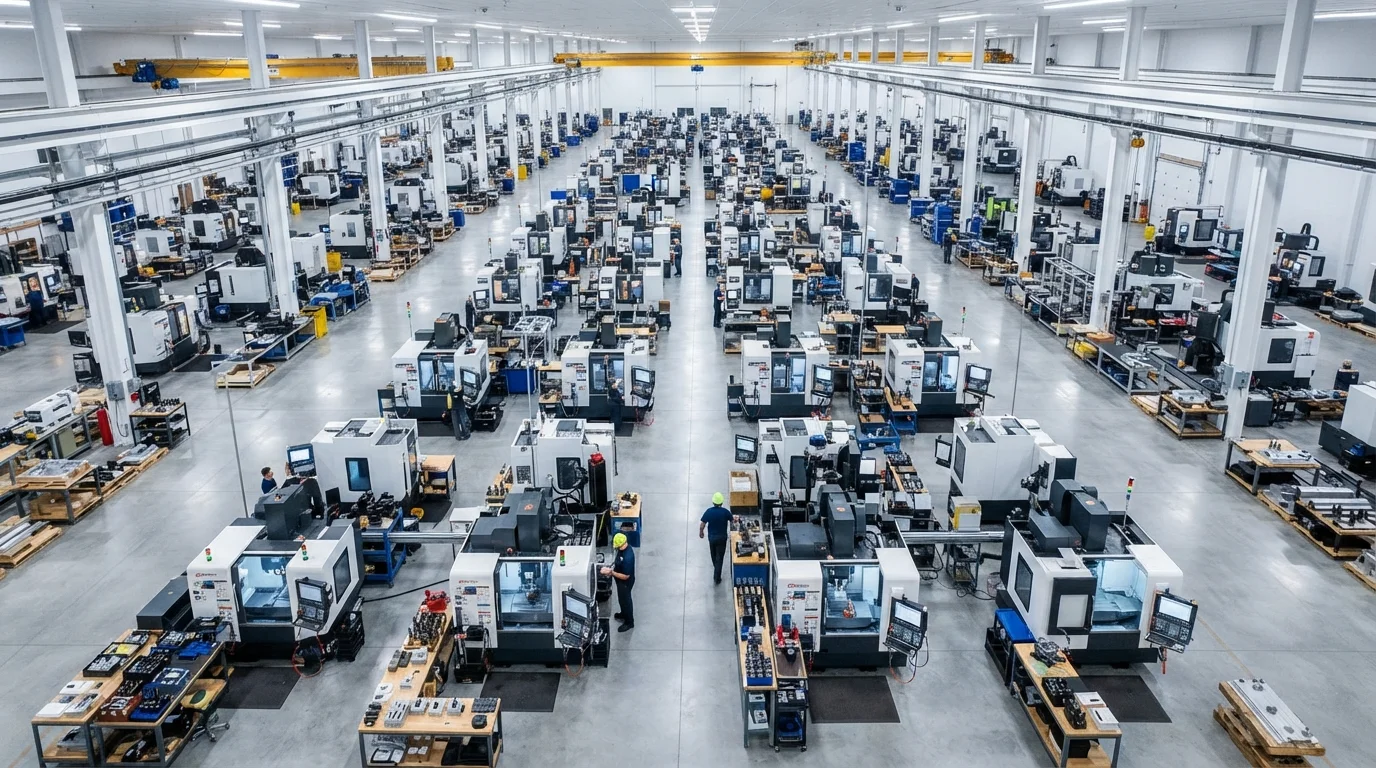
When mold-injected hole tolerances cannot satisfy micro-level assembly requirements due to material shrinkage variance, secondary post-molding machining provides the ultimate engineering solution. Leveraging our robust inventory of 150+ advanced CNC machines (including 25 high-precision 5-axis systems), Jucheng Precision performs secondary reaming, counterboring, and precision boring to eliminate micro-deviations entirely.
Key operational advantages of combining rapid tooling with our in-house CNC Machining Service include:
- Micron-level reaming precision—Achieving tight inner diameter fits that direct molding alone cannot guarantee
- Seamless turnkey workflow—Transitioning directly from rapid injection molding to secondary CNC finishing under one roof
- Zero minimum order constraints—No MOQ policies tailored for agile hardware developers needing customized precision
Frequently Asked Questions (FAQ)
What is the difference between cored holes and machined holes in injection molding?
Cored holes are formed directly by steel pins during the molding cycle for high efficiency, whereas machined holes are drilled or reamed post-molding to achieve superior micron-level precision.
How do ejector pin marks affect hole and pin tolerances in rapid molds?
Forceful mechanical ejection can leave minor surface witness marks or localized push-out depressions, which may compromise part flatness if placed too close to critical features.
How does Jucheng Precision solve out-of-tolerance hole issues?
Jucheng Precision utilizes an expansive fleet of 150+ advanced CNC machines to perform post-molding reaming and precision boring, guaranteeing exact inner diameter tolerances.

