


Validating structural, geometric, and aesthetic hardware assemblies during early product development cycles demands a clear understanding of process-specific material limits and geometric boundaries. Industrial designers frequently prioritize speed and aesthetic fidelity when sourcing physical mockups, neglecting the dynamic mechanical loads and thermal stresses that functional parts must withstand. Sourcing suitable rapid fabrication methods prevents development groups from overpaying for raw material waste and long machine times. Understanding the balance of mechanical strength and surface quality ensures physical prototypes coordinate with your validation objectives cleanly.
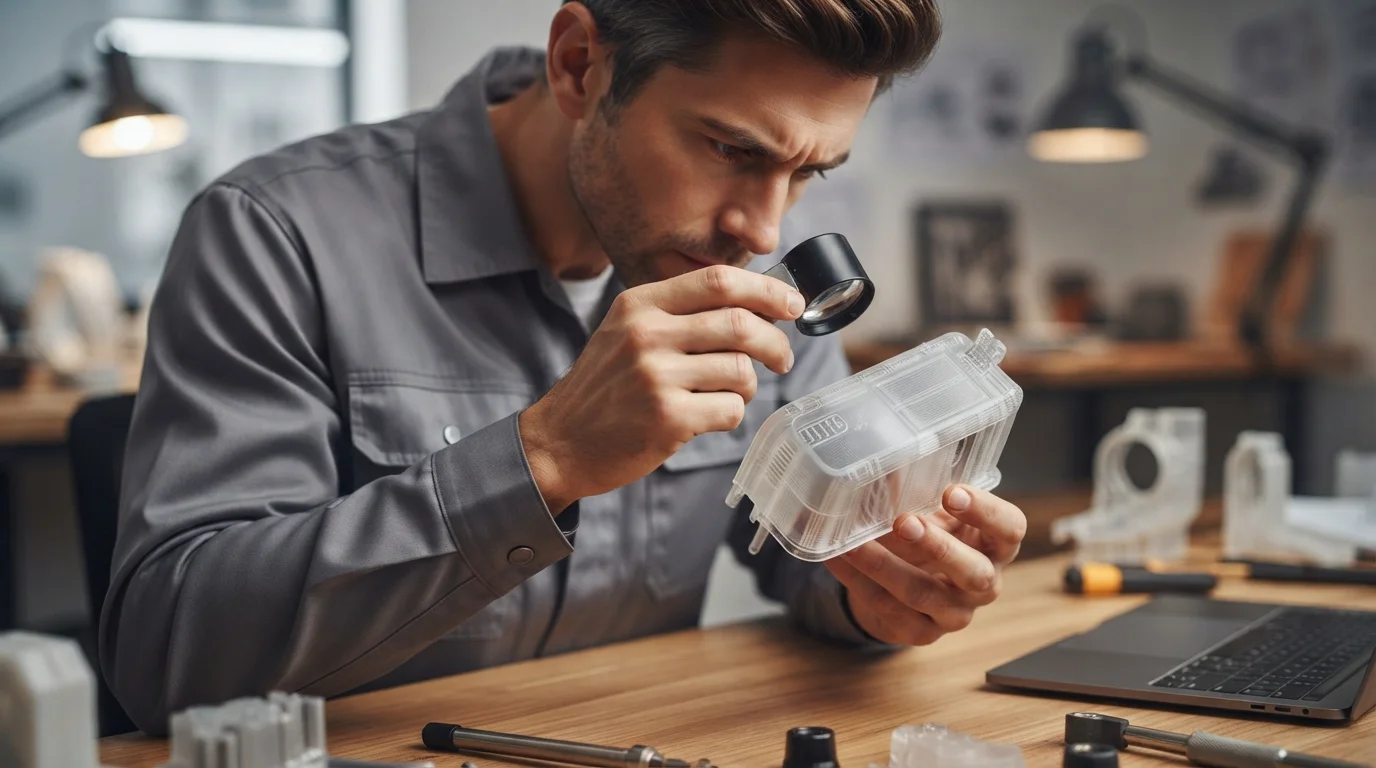
Layer-stacking tolerances, polymer thermal shrinkages, and manual post-processing cleanups dictate the final product performance far more than digital CAD simulations can predict. Slicing CAD files manually allows experienced toolmakers to analyze parting lines, draft angles, and wall thicknesses using advanced mold flow simulation software. Sourcing your copies from a partner with extensive in-house capabilities ensures you receive honest, cost-saving advice for your specific hardware program. Let’s look at how you can optimize your geometries to drive down expenses safely while maintaining high-fidelity quality.
Table of Contents
1. Core Advantages of Physical Scale Models in Iterative Design
2. Conventional Additive Printing Limitations and Structural Flaws
Core Advantages of Physical Scale Models in Iterative Design
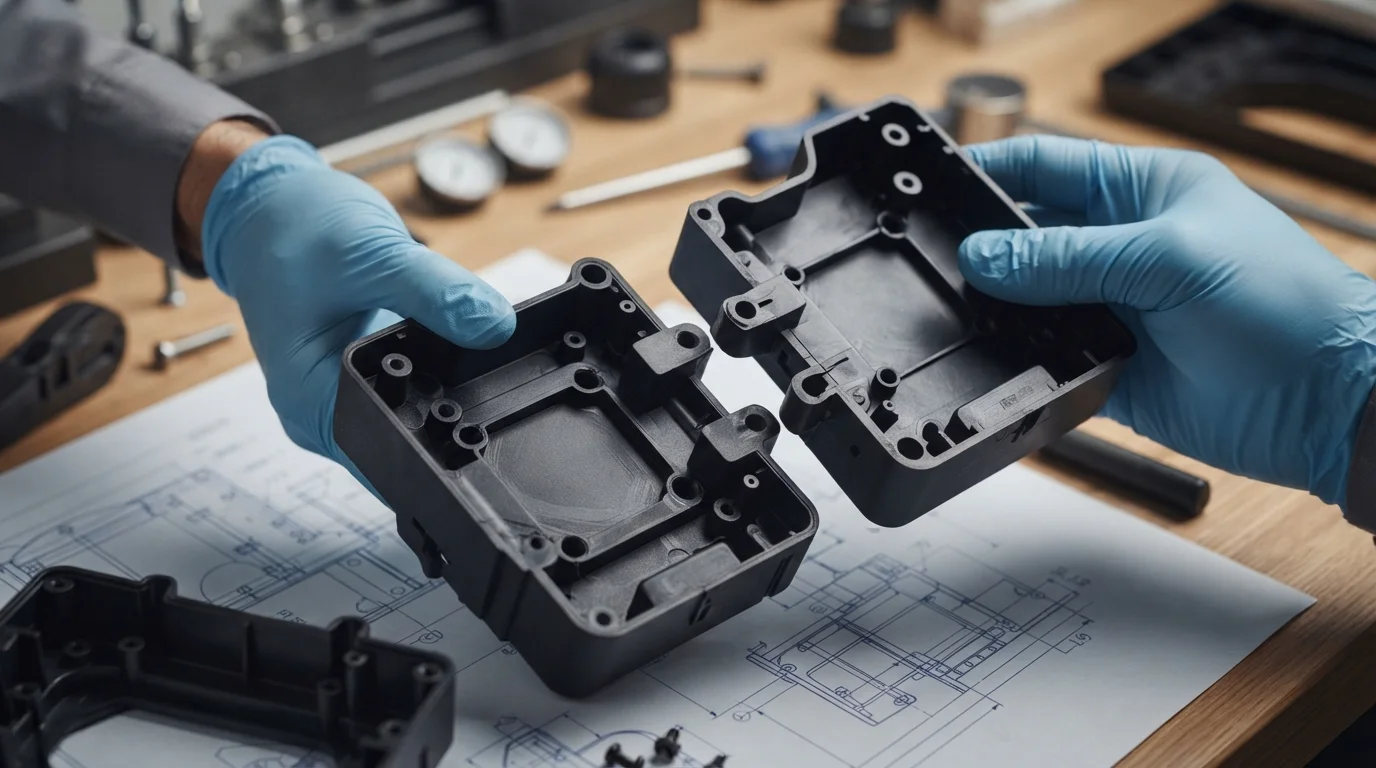
Question: What is the main benefit of utilizing physical mockups? Physical mockups validate true volumetric proportions, shadowing details, and ergonomic clearances that remain invisible on flat computer monitors.
Sourcing physical validation models accelerates the early design cycle by providing tactile feedback that computer renders cannot simulate. Product development teams utilize advantages and disadvantages of rapid prototyping studies to balance the immediate need for visual forms with the long-term requirements of functional stress testing. Sourcing physical scale models allows multi-functional groups to align on parting lines, assembly gaps, and aesthetic proportions before cutting core steel. Speed represents the premier motivator during early form studies, allowing developers to execute multiple design iterations in days.
Sourcing high-fidelity mockups helps engineering groups win critical stakeholder alignments and secure initial venture capital. Sourcing early visual verification models from a versatile Prototype Service platform ensures designers optimize their files for actual user testing. Slicing CAD files precisely allows experienced toolmakers to analyze draft angles and wall thickness limits manually. Sourcing your prototypes from a single turnkey manufacturer ensures your designs transition smoothly from early concept models to mass series production.
Conventional Additive Printing Limitations and Structural Flaws
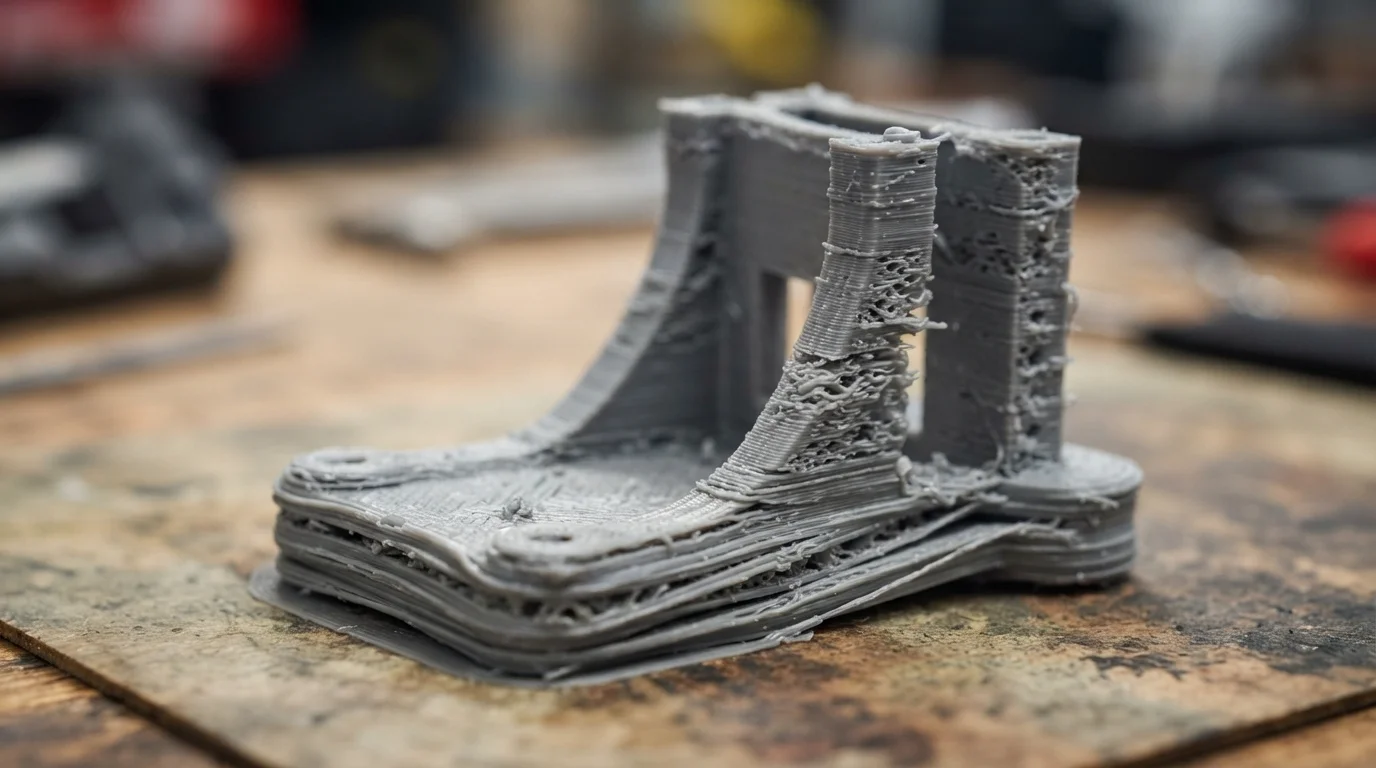
Question: Why do low-end printed plastic parts make poor functional prototypes? Brittle photopolymer resins and inter-layer bonding weaknesses cause printed parts to warp, curl, or fracture under dynamic tension.
Traditional 3D printing methods like stereolithography (SLA) or fused deposition modeling (FDM) offer remarkable design freedom, yet layer-stacking physics impose clear dimensional boundaries. Photopolymer resins utilized in standard 3D Printing Service platforms cure under UV laser sweeps, causing thin unsupported features to curl or warp as they solidify. Sintered or printed parts suffer from anisotropic material properties, meaning they easily delaminate along layer-bonding directions under dynamic shear stress. Understanding these structural limitations represents a critical step when evaluating the advantages and disadvantages of rapid prototyping methodologies.
Brittle photopolymer materials fail instantly when subjected to functional snap-fit deflections or dynamic drop tests. Splicing raw CAD files without considering material elongation limits leads to high failure rates during early clinical and field trials. Sourcing custom colored polyurethane resins or solid thermoplastics is mandatory when validating functional mechanical clearances. This table compares structural and aesthetic limits across different rapid fabrication processes:
| Manufacturing Process | Starting Setup Cost | Dimensional Tolerance | Structural Integrity |
|---|---|---|---|
| 3D Printing (SLA) | Very Low (Automated slicing) | ±0.15 mm to ±0.20 mm | Low (Brittle resin, anisotropic) |
| CNC Machining | High (Manual G-code setup) | ±0.01 mm to ±0.05 mm | Maximum (Solid billet, isotropic) |
| Rapid Tooling | Extreme (Core milling hours) | ±0.10 mm to ±0.15 mm | High (Production resins, isotropic) |
CNC Machining and Rapid Tooling Mitigation Strategies
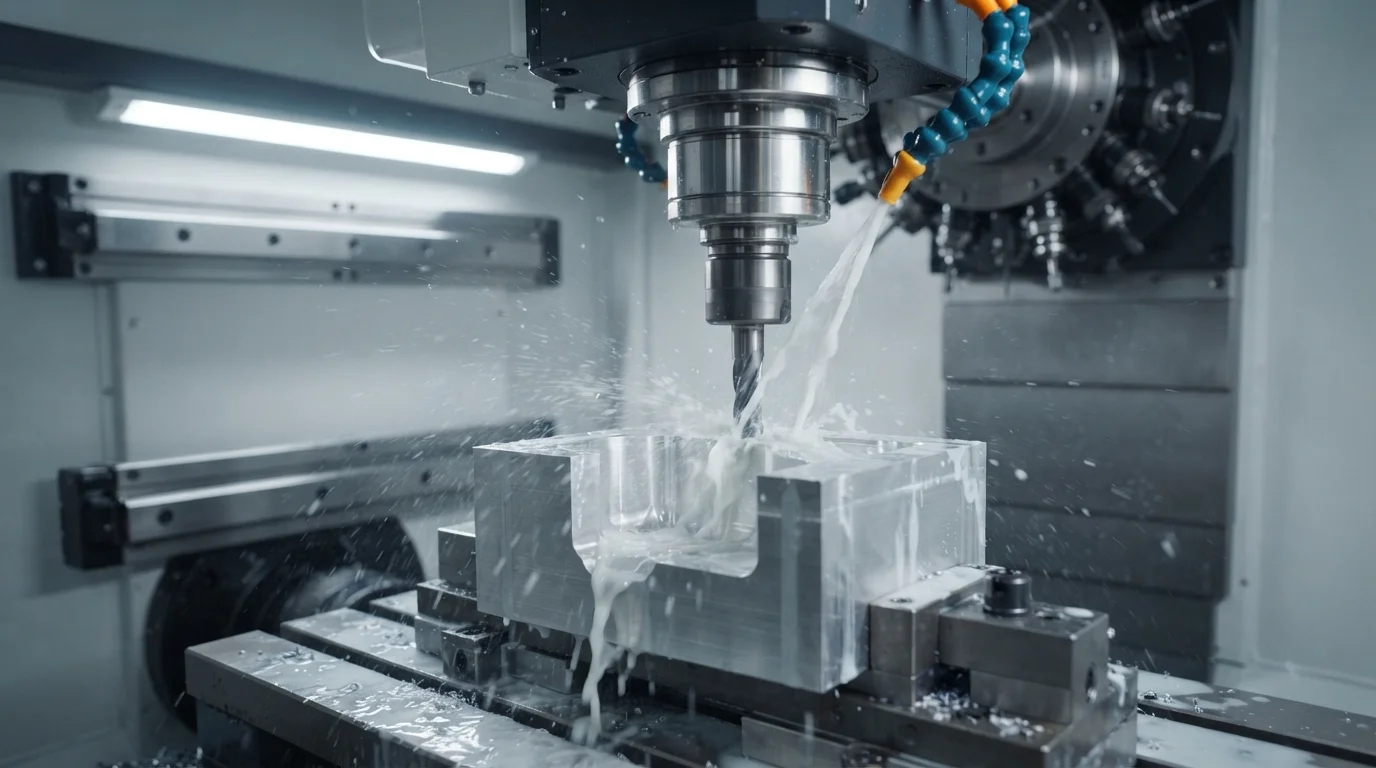
Question: How are the mechanical weaknesses of 3D prints bypassed? Machining parts from solid engineering thermoplastics or utilizing rapid injection tooling deliver isotropic parts matching production standards.
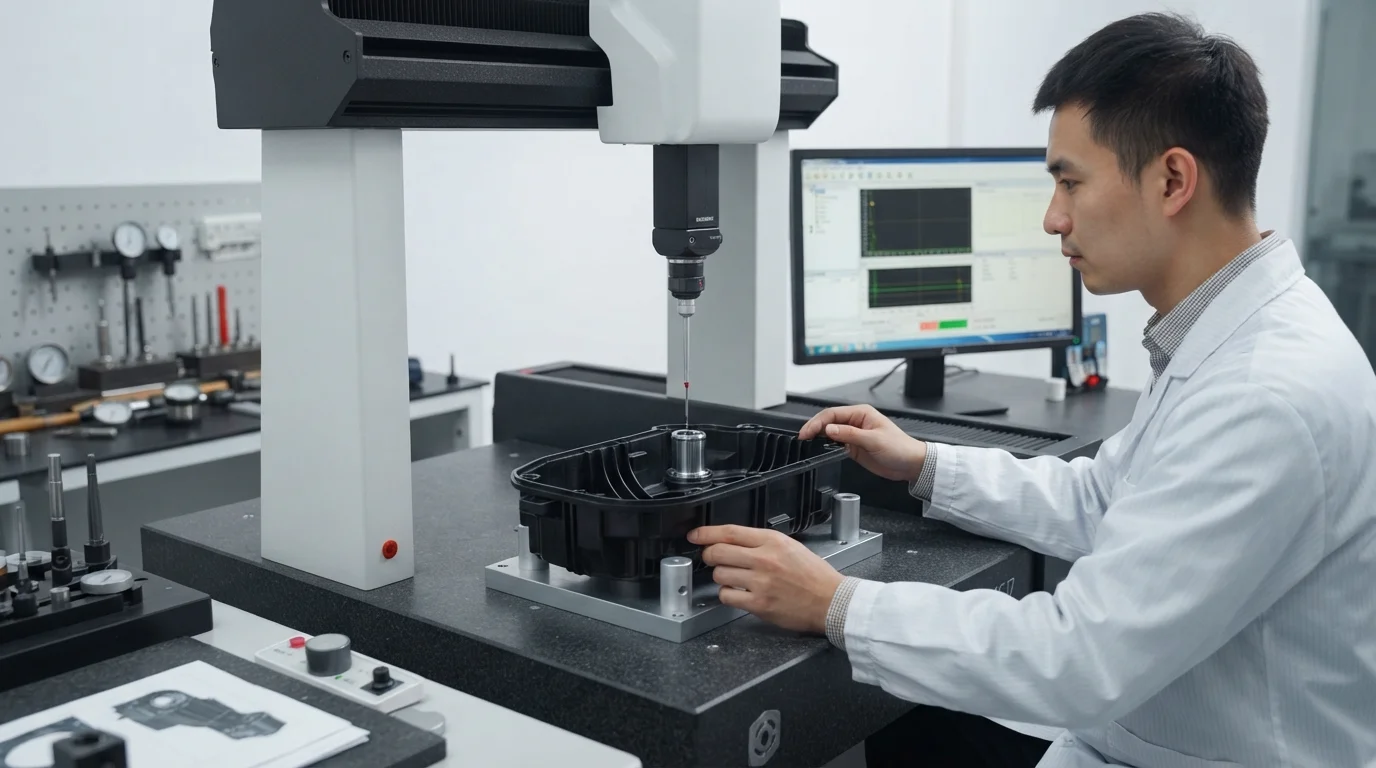
Subtractive CNC Machining Service centers bypass the material limitations of 3D printing by cutting parts directly from solid blocks of ABS, Nylon (PA), or Polycarbonate (PC). Machining from solid billets preserves the isotropic grain structures of the raw plastics, preventing delamination under dynamic tension. High-speed spindles carve complex geometries with micro-tolerances down to ±0.01 mm, delivering premium functional components ready for immediate stress testing. Sourcing milled structural links represents a signature technique used to analyze real-world fatigue limits.
Scaling your functional validation program past fifty units requires utilizing a dedicated Rapid Tooling Service to mold parts economically. Aluminum or soft steel rapid molds deliver genuine injection-molded components using production-grade polymer grains within weeks. Sourcing rapid tooling allows product developers to validate gating, parting lines, and draft angles under real machine pressures. Balancing these options through a meticulous study of the advantages and disadvantages of rapid prototyping ensures you hit tight launch schedules.
Jucheng Precision supports mechatronics groups by delivering highly optimized, cost-saving fabrication options that align with tight budgets. Sourcing our expert 24-hour free DFM reviews helps product groups optimize gate placements, parting lines, and draft profiles before cutting metal or pouring silicone. Sourcing high-quality prototypes ensures your designs are built to withstand severe dynamic forces safely. Sourcing your components from our certified, single-roof manufacturing facility prevents communication errors, ensuring design changes are propagated across all stages safely.
Frequently Asked Questions (FAQ)
What is the main limitation of rapid prototyping?
Low-end additive printing processes cannot simulate the physical strength of production thermoplastics, making structural part testing highly prone to failure. Sourcing functional parts milled from solid engineering polymers represents a critical milestone to validate realistic mechanical wear. Sourcing early DFM reviews ensures non-critical tolerances are loosened to prevent unnecessary machining hours, optimizing your overall advantages of rapid prototyping programs.
Does complex surface polishing increase prototyping bills dramatically?
Manual hand-polishing, vapor-polishing, and multi-layer painting require intensive labor hours, which can double your overall project bill. Specifying standard bead-blasted or raw machine finishes for internal structures or early visual models lowers your total finishing expenditures. Product designers coordinate with manufacturing specialists to apply decorative coatings only on visible external show faces.
How can mold tooling expenses be reduced for short-run production?
Standardizing vertical draft angles, filleted corners, and nominal wall thicknesses is the primary method to prevent mold flash. Mold parting line shut-offs are hand-fitted precisely, ensuring polymer does not escape under high clamping pressures. Sourcing early DFM reviews simplifies split line layouts, eliminating the need for expensive mechanical sliders in rapid molds.

