


Demystifying short-run molding terminology requires clearing up common misconceptions regarding mold metal hardness and physical cavity construction. Sourcing unhardened metal inserts allows product teams to manufacture thousands of functional plastic parts without committing to multi-cavity hardened steel tools. Sourcing physical scale models from a versatile Prototype Service validates physical fitment, but short-run production demands an adaptable, cost-effective mold strategy. Slicing complex three-dimensional CAD geometries precisely ensures early-stage parts release cleanly from core cavities without scuffing or warping.
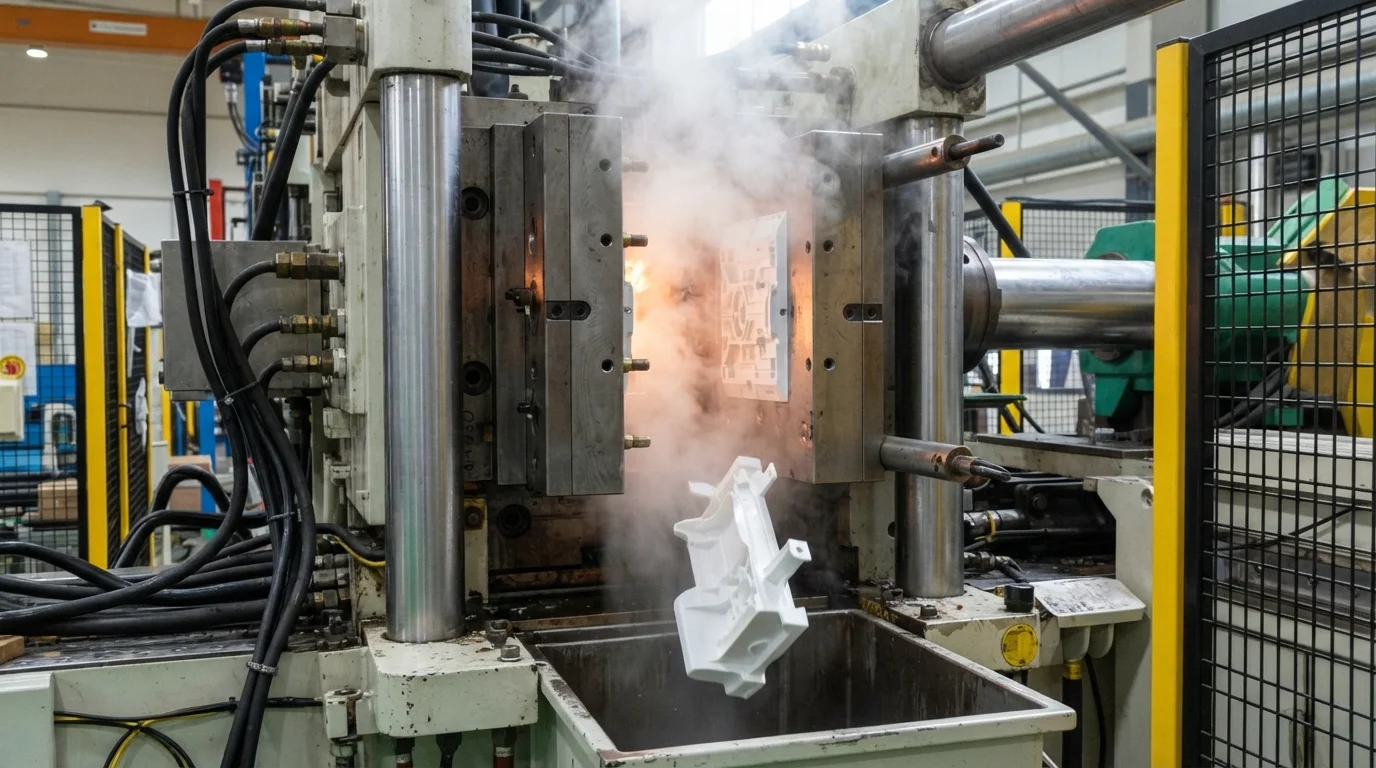
Understanding the material differences in soft tooling vs hard tooling injection molding enables mechatronics groups to match target part volumes with appropriate mold metals cleanly. Manufacturing specialists evaluate polymer shear rates, glass-fiber content, and clamping forces using advanced mold flow simulation software. Sourcing your components from an experienced partner ensures design changes are propagated across all stages safely. Let’s explore soft metal physics, hard steel heat treatments, and machining feed speed advantages.
Table of Contents
1. Demystifying Soft Tooling: AL7075 and Pre-Hardened P20 Metallurgy
2. Hardened H13 Tool Steel and Million Cycle Resistance
3. Machinability Advantage: CNC Milling Soft Metals Three Times Faster
Demystifying Soft Tooling: AL7075 and Pre-Hardened P20 Metallurgy
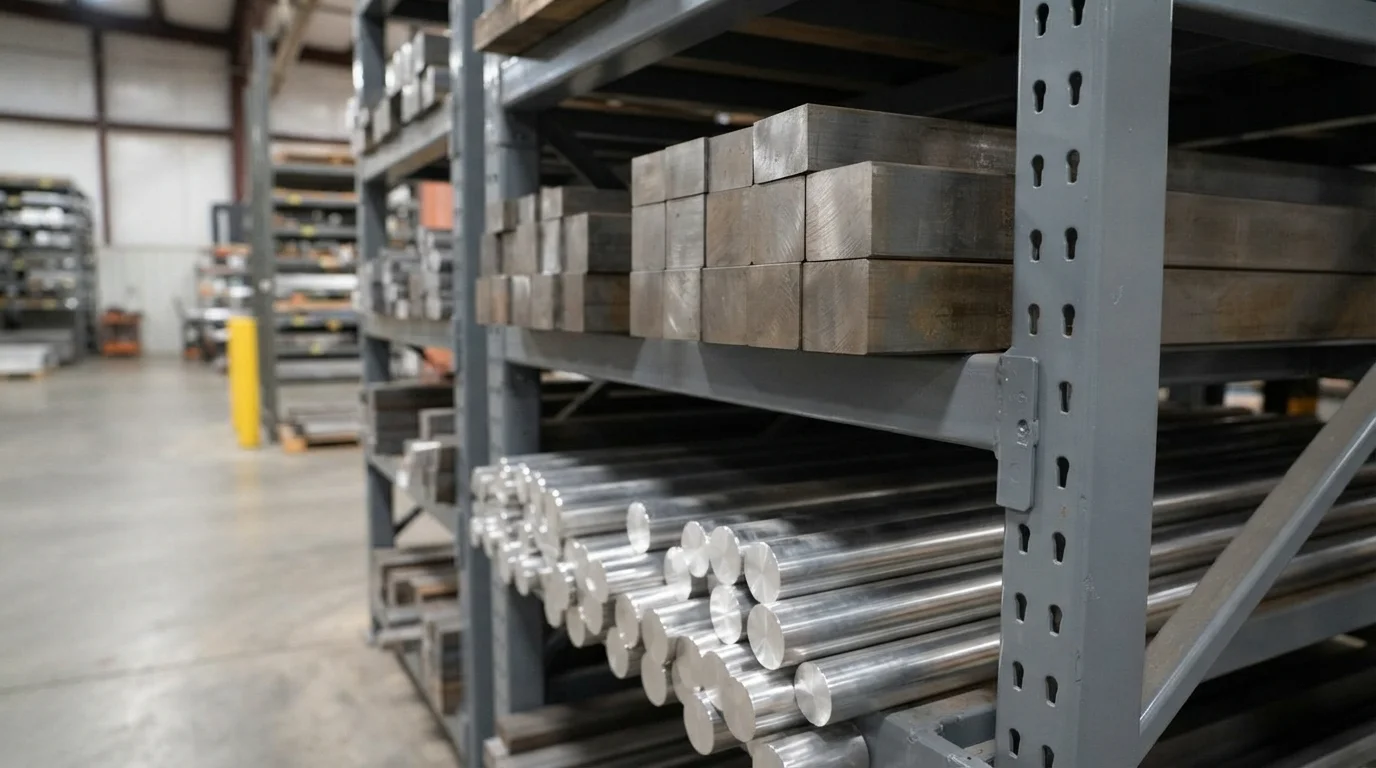
Question: Is soft tooling in injection molding made of silicone or rubber? In injection molding terminology, soft tooling refers to unhardened metal molds made of AL7075 aluminum or pre-hardened P20 steel, not silicone.
Selecting soft metal alloys for core blocks provides an exceptional balance between low initial CapEx and rapid machine delivery schedules. Sourcing soft tooling does not mean using flexible silicone, which is reserved exclusively for low-pressure Vacuum Casting processes. Soft injection tools utilize high-strength aircraft Aluminum (AL7075-T6) or pre-hardened P20 Tool Steel plates to withstand real machine clamping forces up to 500 tons. These soft metal cavities deliver 5,000 to 50,000 clean part pulls when running non-abrasive thermoplastics.
Evaluating soft tooling vs hard tooling injection molding parameters highlights how pre-hardened metals bypass post-machining vacuum heat treatment cycles entirely. Primary metal options utilized in soft mold construction include:
- AL7075-T6 aluminum aircraft plate—Delivers up to 160 W/m·K thermal conductivity and machines 5x faster than tool steel
- P20 pre-hardened soft steel—Provides 30 HRC base hardness without requiring secondary vacuum heat treatment
- NAK80 pre-hardened mold steel—Delivers 40 HRC base hardness for high-polish optical lens cavities
Hardened H13 Tool Steel and Million Cycle Resistance
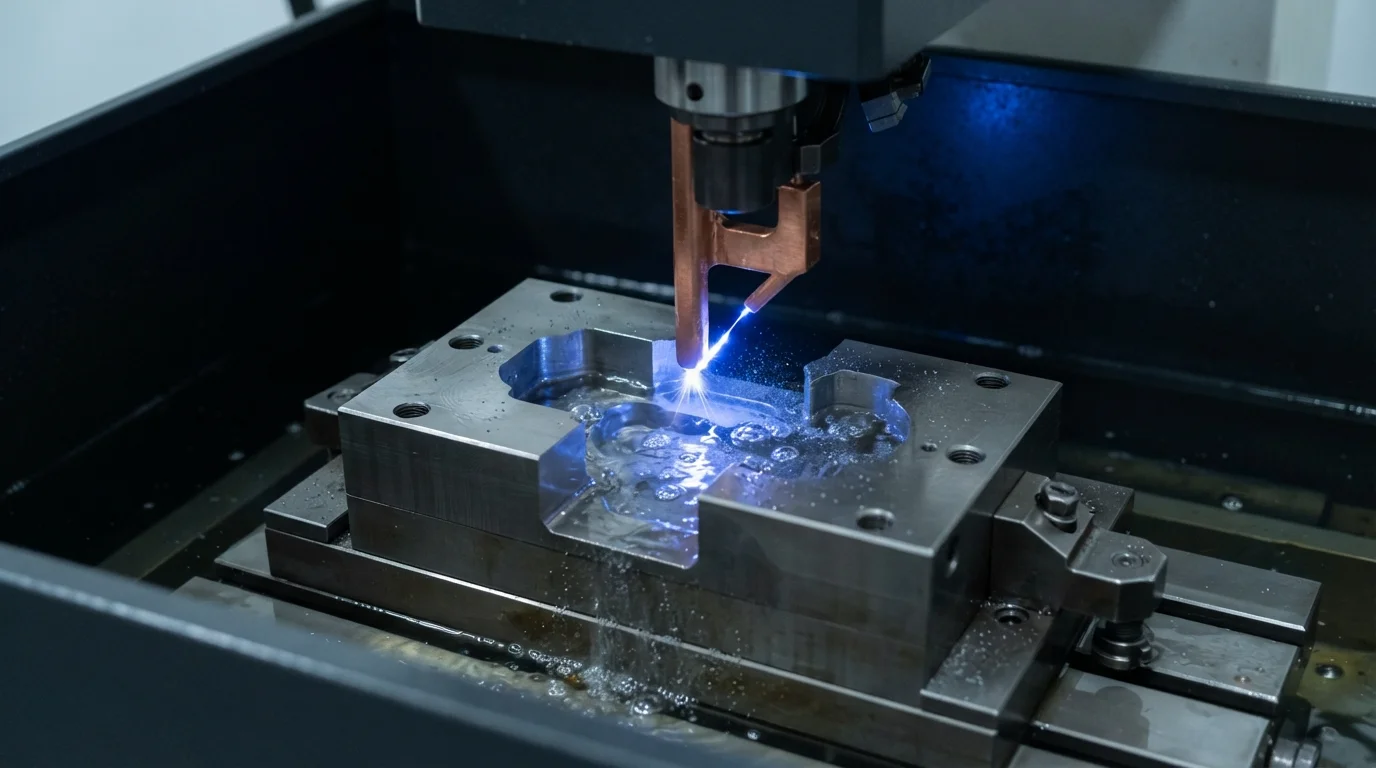
Question: When is hard steel tooling required for injection molding? Hardened H13 steel is mandatory for multi-cavity mass production over 100,000 shots or when molding highly abrasive glass-filled resins.
Investing in hardened H13 or S7 steel molds requires a substantial initial CapEx, but delivers unmatched wear resistance over million-cycle production runs. Sourcing a dedicated Rapid Tooling Service using soft metal inserts represents a much wiser initial investment when designs remain subject to market feedback. Hardened steel cores undergo slow pre-machining, vacuum heat treatment, and final finish grinding to achieve 50 to 54 HRC hardness levels. Weighing rapid tooling vs production tooling trade-offs ensures hardware startups do not lock up capital prematurely.
Evaluating raw material properties helps engineers select the right alloy for core blocks, ensuring dimensions remain stable over thousands of cycles. This technical comparison table outlines key physical differences between soft and hard mold tooling:
| Tooling Category | Core Metal Hardness | Thermal Conductivity | Estimated Tool Lifespan |
|---|---|---|---|
| Soft Tooling (AL7075 / P20) | 150 HB to 30 HRC | 30 to 160 W/m·K | 5,000 to 50,000 shots |
| Hard Tooling (H13 Steel) | 50 to 54 HRC (Heat treated) | 24 W/m·K | 1,000,000+ shots |
Machinability Advantage: CNC Milling Soft Metals Three Times Faster
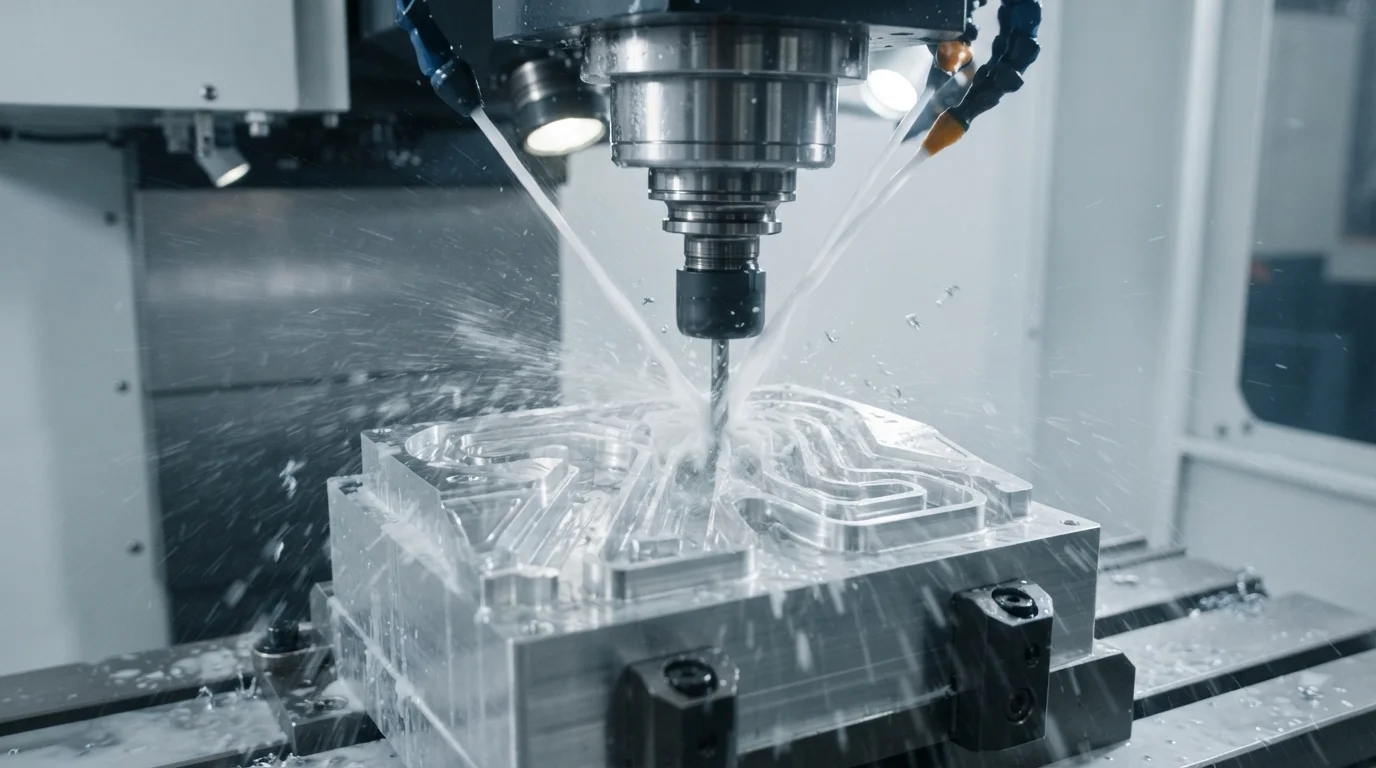
Question: How much faster is soft tooling fabricated compared to hard steel molds? Soft aluminum and pre-hardened steel cores are CNC milled up to three to five times faster, cutting delivery times to 2-3 weeks.
Subtractive CNC Machining Service operations on aluminum or P20 steel proceed at high feed rates without risking severe cutter tool wear. Sourcing functional parts molded from solid engineering plastics like ABS, Nylon (PA), or Polycarbonate (PC) provides authentic material behavior under dynamic loading. Understanding soft tooling vs hard tooling injection molding advantages enables product developers to deliver T1 samples to stakeholders weeks ahead of competitors.
Jucheng Precision supports hardware teams by delivering completely transparent, itemized quotes that eliminate surprise chargebacks. Factory engineers conduct thorough 24-hour free DFM reviews to identify potential cost-saving opportunities early, helping you optimize parting lines, gate sizes, and wall uniformity. Sourcing your short-run Injection Molding Service programs from our single-roof manufacturing facility ensures design changes and quality checks are managed seamlessly under one roof:
- 24-hour free DFM reviews—Factory engineers evaluate parting lines, gate sizes, and cooling waterlines before cutting core metal
- Transparent turnkey quotes—Itemized estimates include all secondary gate trimming, surface painting, and packaging fees upfront
- In-house toolroom machining—Factory toolmakers machine soft aluminum or steel inserts under a single roof
Frequently Asked Questions (FAQ)
Is soft tooling suitable for short-run production?
Evaluating soft tooling vs hard tooling injection molding parameters proves that soft molds excel for 1,000 to 50,000 parts. Soft metal cavities deliver production-grade plastic parts quickly while keeping initial CapEx low.
Can soft aluminum molds inject glass-filled resins?
Abrasive glass fibers erode soft aluminum gates rapidly, shortening mold life to under 1,000 shots without steel inserts. Installing hardened P20 or H13 steel gate inserts into aluminum mold plates solves erosion issues economically.
How much cheaper is soft tooling than hard steel tooling?
Initial soft tooling fabrication costs 40% to 70% less than hardened H13 steel production molds. Faster CNC milling speeds and elimination of vacuum heat treatment drive down toolroom labor fees.

