


Navigating the complex manufacturing transition from initial early-stage hardware prototypes to mass series production requires evaluating rapid tooling vs production tooling trade-offs systematically. Sourcing physical scale models allows mechatronics groups to identify assembly interferences, validate snap-fit deflection limits, and check internal printed circuit board (PCB) clearances realistically. Product development teams use these tactile test units to perform physical drop-tests and thermal runaway simulations, ensuring components survive real-world operational environments safely. Sourcing solid-billet machined components or aluminum mold inserts represents the gold standard for dynamic mechanical checks before locking down hard steel tooling.
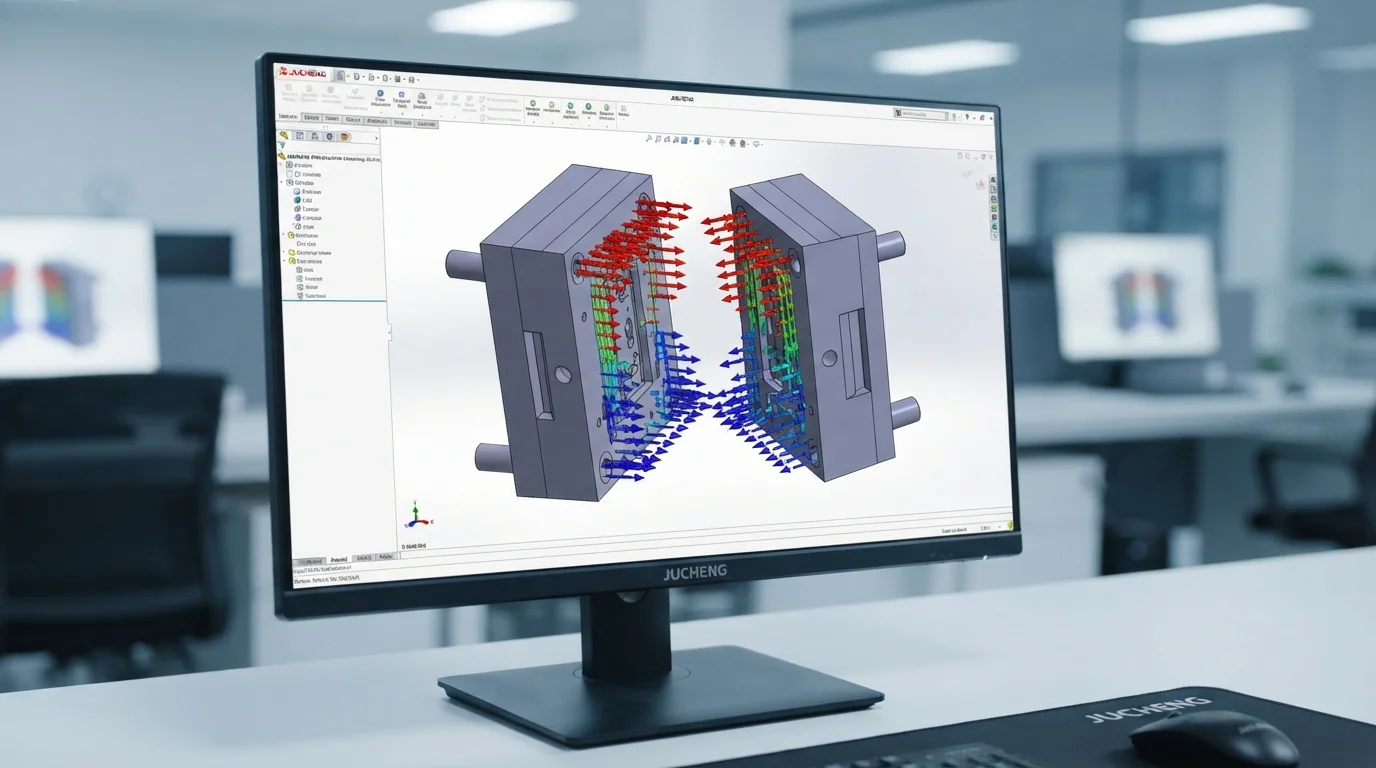
Manufacturing specialists coordinate with design engineers to evaluate parting lines, gate positions, draft angles, and wall uniformity using advanced mold flow simulation software. Selecting appropriate temporary manufacturing methods balances raw material properties with fast turnaround times during early-stage testing. Sourcing your components from an experienced partner ensures design changes are propagated across all stages safely. Let’s explore how you can optimize your geometries to drive down expenses safely while maintaining high-fidelity quality.
Table of Contents
1. Understanding the Core Differences: Definitions and Materials
2. Key Performance Indicators: Cost, Lead Time, and Tool Life
3. Part Quality and Engineering Changes in Short-Run Molds
4. How to Transition Seamlessly from Rapid to Production Molds
5. Scale Your Production with Jucheng Precision’s Injection Facility
Understanding the Core Differences: Definitions and Materials
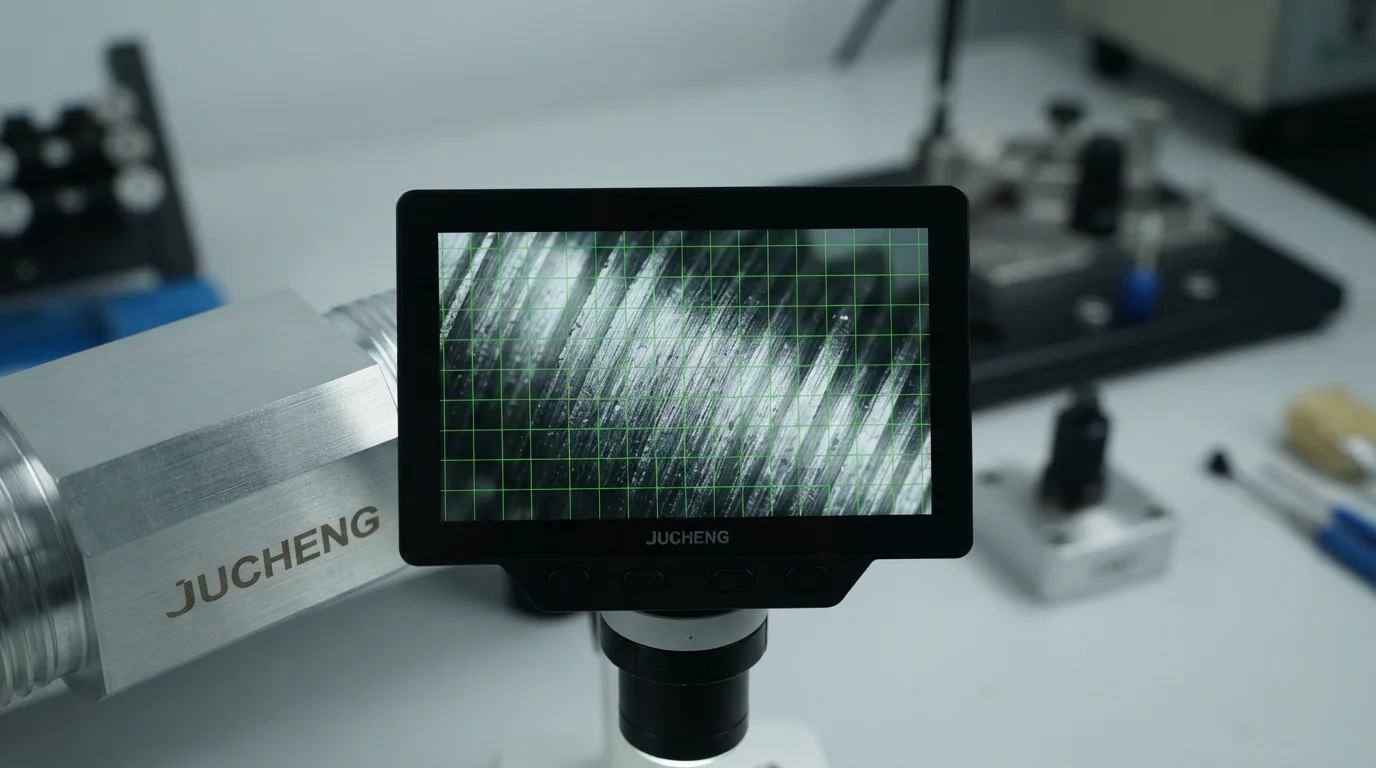
Question: What is the primary difference between soft and hard tooling? Soft tooling uses highly machinable aluminum or pre-hardened steel for quick short runs, whereas hard tooling relies on hardened H13 steel for million-cycle mass production.
Evaluating the structural differences of rapid tooling vs production tooling begins with analyzing raw core metal hardness and machinability physics. Understanding soft tooling vs hard tooling injection molding nuances helps engineers choose between AL7075-T6 Aluminum and pre-hardened Tool Steel (like P20). Soft metal cavities dissipate heat rapidly, shortening cooling cycles and boosting production speeds. Soft shut-off faces, however, possess lower Brinell hardness ratings than hardened steel, making them susceptible to crushing if clamping forces or draft angles are improperly configured.
Sourcing a dedicated Rapid Tooling Service using soft metal cores enables hardware startups to produce 1,000 to 50,000 parts without paying mass production overheads. Weighing the strategic role of bridge tooling vs production tooling allows mechatronics groups to fulfill early crowdfunding demand or clinical trials safely. Slicing CAD files precisely allows experienced toolmakers to analyze parting line shut-offs manually. Sourcing these soft molds allows product developers to validate actual production material properties before committing to hardened steel.
Key Performance Indicators: Cost, Lead Time, and Tool Life
Question: How do rapid tooling lead times compare to production steel tooling? Rapid molds are delivered in 2 to 4 weeks using multi-axis CNC milling, whereas hard steel production molds require 8 to 12 weeks.
Analyzing rapid tooling vs production tooling metrics requires measuring initial CapEx, delivery velocity, and long-term shot longevity. Conducting an itemized cost comparison rapid tooling vs production tooling review shows that soft molds slash initial CapEx by up to seventy percent. Sourcing a shorter lead time rapid tooling vs production tooling pipeline cuts sample delivery down to 2 to 4 weeks instead of months. Predicting your target tool life rapid tooling vs production tooling parameters ensures you choose soft steel for 50,000 shots or hardened H13 steel for million-shot runs.
Evaluating these key performance indicators allows project managers to select optimal tooling paths for their specific budget constraints:
- Initial CapEx savings—Aluminum and P20 soft molds save 40% to 70% in upfront toolroom labor and EDM costs
- Time-to-market speed—Multi-axis CNC milling delivers T1 molded samples within 2 to 4 weeks for rapid market entry
- Volume scaling capability—Hardened H13 steel tools deliver the lowest per-piece OpEx when order volumes exceed 100,000 units
| Performance Metric | Rapid Tooling Standard | Production Tooling Standard | Primary B2B Financial Influence |
|---|---|---|---|
| Initial Mold CapEx | Low ($2,000 – $8,000) | High ($25,000 – $100,000+) | Dictates upfront development risk and cash flow |
| Lead Time to T1 Samples | 2 to 4 weeks | 8 to 12 weeks | Determines time-to-market speed and launch velocity |
| Tool Life Expectancy | 5,000 to 50,000 shots | 1,000,000+ shots | Influences long-term per-part piece-price amortization |
Part Quality and Engineering Changes in Short-Run Molds
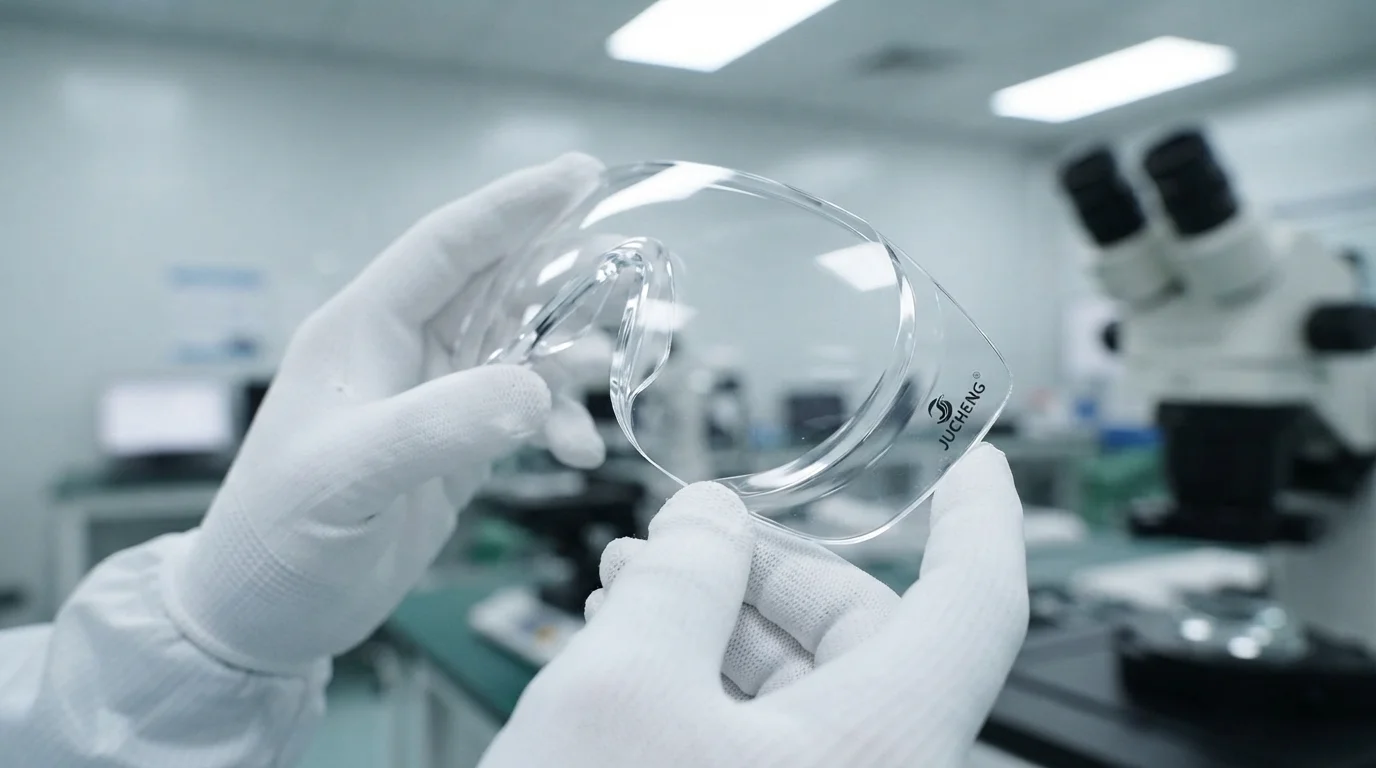
Question: Can rapid tooling match the part quality of production molds? Yes, rapid molds inject production-grade thermoplastics under high clamping forces, delivering identical dimensional accuracy and cosmetic textures.
Evaluating part quality rapid vs production tooling shows that soft molds produce fully functional, production-representative plastic components. Sourcing functional parts molded from genuine engineering plastics like ABS, Nylon (PA), or Polycarbonate (PC) provides authentic material behavior under dynamic loading. Managing late engineering changes rapid vs production tooling is far easier on aluminum or P20 soft molds because G-code toolpaths can be re-milled quickly. Comparing rapid tooling vs production tooling flexibilities proves that soft molds allow agile CAD modifications without scrapping expensive hard steel cores.
Executing physical validation by using rapid tooling to validate production mold design allows engineers to verify gate locations, shrinkage rates, and parting line shut-offs. Vacuum casting in silicone molds represents an excellent, low-cost method to manufacture twenty to fifty plastic enclosures cheaply. Sourcing custom polyurethane parts from Vacuum Casting becomes highly cost-effective before investing in aluminum or soft steel cores. Sourcing early DFM reviews simplifies split line layouts, eliminating the need for expensive mechanical sliders in rapid molds.
How to Transition Seamlessly from Rapid to Production Molds

Question: What is the optimal volume to switch from rapid to production tooling? Transitioning to production steel tooling is recommended when design geometries are 100% frozen and annual demand exceeds 50,000 units.
Knowing exactly when to switch from rapid tooling to production tooling prevents hardware ventures from overpaying for unit piece prices or locking up early cash flow. Sourcing a dedicated Injection Molding Service from a single-roof factory ensures your 3D CAD files and DFM parameters transfer seamlessly between rapid and mass production divisions. Sourcing functional CNC Machining Service parts or soft-alloy molds allows engineering groups to validate designs before committing to high-volume production. Sourcing high-quality prototypes ensures your designs are built to withstand severe dynamic forces safely.
Key operational milestones signaling the ideal time to transition to high-volume production molds include:
- Design Freeze Approval—Mechanical CAD geometries are 100% locked and require zero further engineering change orders
- Sustained Market Volume—Annual part demand consistently exceeds 50,000 to 100,000 units, justifying high hard steel CapEx
- Automated Cycle Efficiency—Multi-cavity hardened steel tools lower individual piece-part costs to minimal OpEx targets
Scale Your Production with Jucheng Precision’s Injection Facility
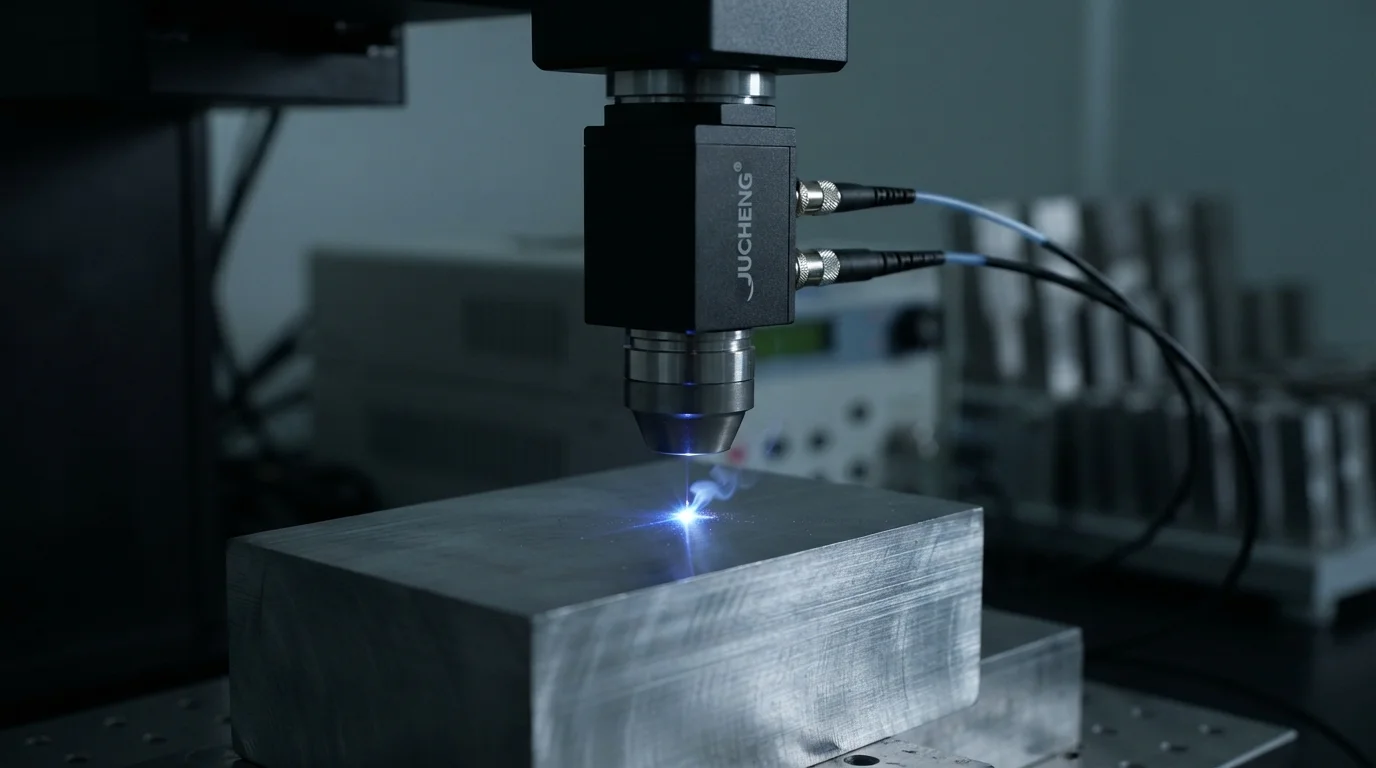
Question: How does Jucheng Precision support seamless tooling scaling? Operating both in-house toolmaking and 35+ precision molding presses under ISO 13485 and IATF 16949 guarantees zero data loss during scaling.
Jucheng Precision supports mechatronics startups by delivering comprehensive 24-hour free DFM reviews that analyze draft angles, wall uniformity, gating locations, and shrinkage factors. Sourcing functional Prototype Service parts or soft-alloy molds allows engineering groups to validate designs before committing to high-volume production. Sourcing your rapid tooling vs production tooling programs from our certified, single-roof manufacturing facility prevents communication errors, ensuring design changes are propagated across all stages safely. Having thirty-five high-precision molding presses under certified quality management systems ensures your parts meet exact international specifications.
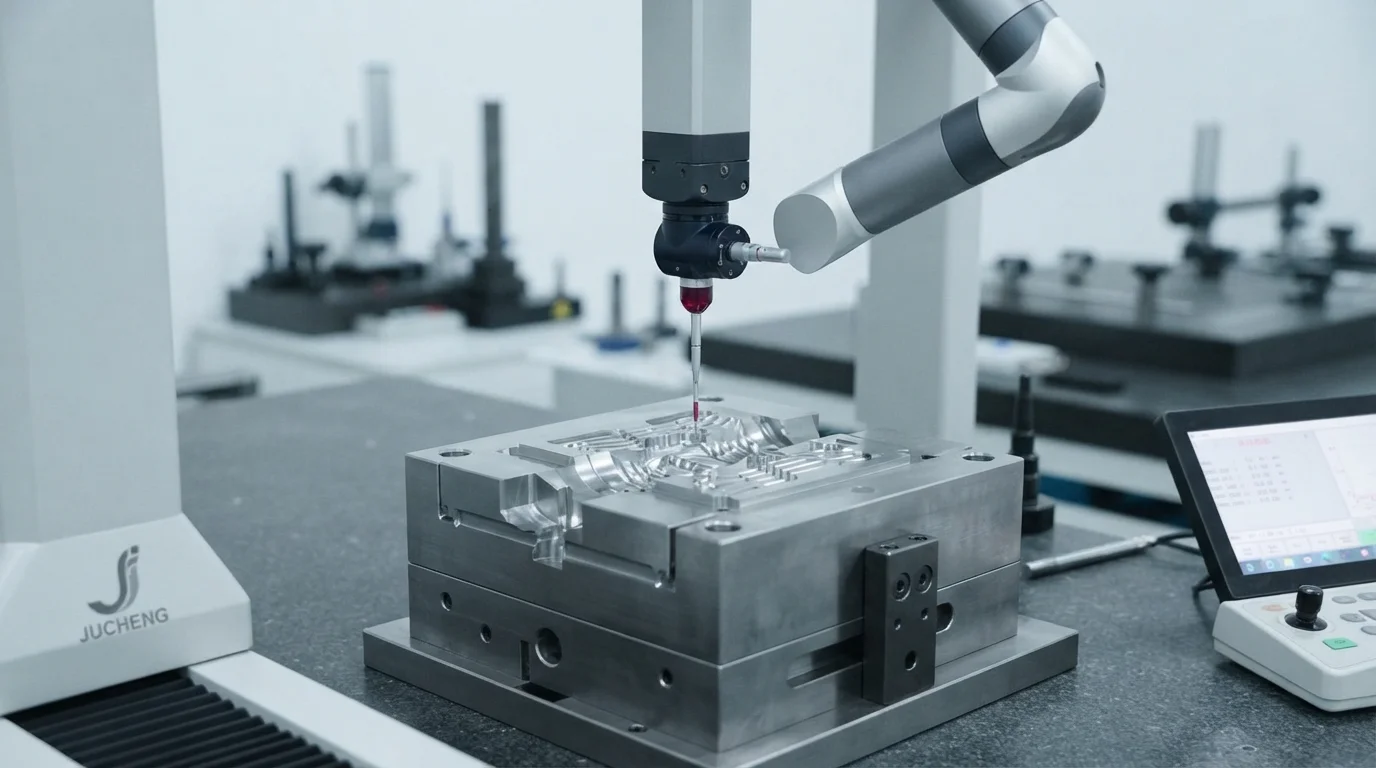
Partnering with a certified manufacturer helps you navigate the transition from early visual mockups to low-volume bridge tooling seamlessly. Sourcing your quotes manually ensures experienced engineers analyze your 3D STEP files to find additional ways of saving money on short-run molding. Custom components undergo rigorous coordinate metrology checks to confirm exact dimensional compliance. Sourcing high-quality prototypes ensures your designs are built to withstand severe dynamic forces safely.
Frequently Asked Questions (FAQ)
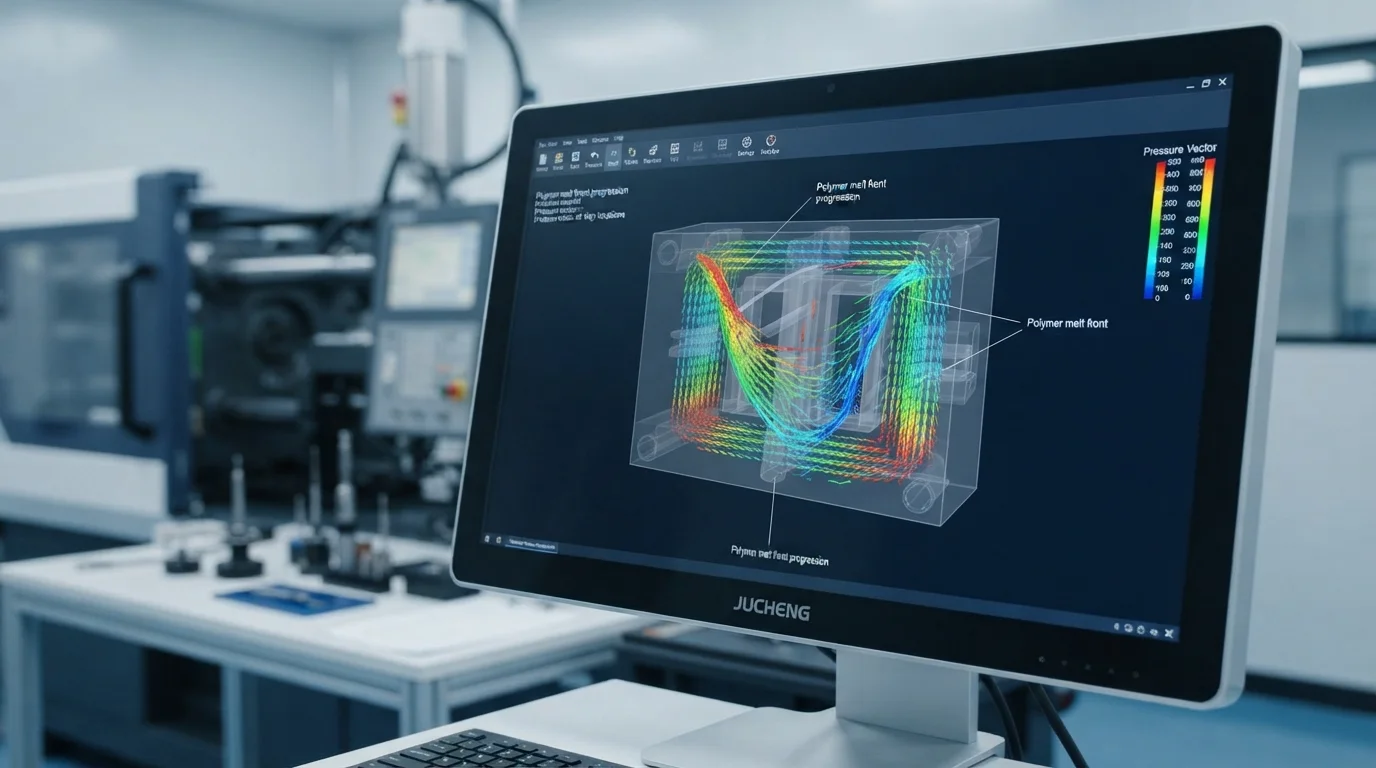
What is the main difference between rapid tooling and production tooling?
Rapid tooling focuses on low-cost, fast-turnaround soft metal molds (AL7075 or P20) for 100 to 50,000 units. Production tooling uses hardened H13 steel for million-cycle mass production at minimal piece-part prices.
How fast can custom aluminum rapid molds be machined?
Soft aluminum or P20 steel rapid molds are typically machined on multi-axis CNC mills within 10 to 15 business days. Bypassing slow spark-erosion EDM processes allows manufacturers to deliver functional, production-grade molded samples in weeks rather than months.
Can 3D printed parts replace rapid tooling for functional testing?
Standard multi-axis CNC milling and high-resolution stereolithography SLA processes can deliver fully validated physical mockups within 3 to 5 business days. Bypassing slow manual mold-making procedures allows hardware developers to conduct dynamic fitment checks and aerodynamic wind tunnel tests immediately.

