For any questions about our services you can call us at: +86-188-7042-1176

What Is Alloy Steel? A Comprehensive Technical Breakdown

Alloy steel is a versatile and widely used material in various industries, known for its enhanced mechanical properties compared to carbon steel. By incorporating specific alloying elements such as chromium, nickel, molybdenum, and vanadium, manufacturers can tailor the steel’s strength, hardness, corrosion resistance, and toughness to meet demanding applications. This article explores the fundamentals of alloy steel, its key variations, and how it compares to other steel types like stainless steel.

Understanding Alloy Steel
Alloy steel is a type of steel that contains intentional additions of one or more alloying elements beyond carbon and iron. These additions modify the material’s properties, making it suitable for high-stress environments, extreme temperatures, and corrosive conditions. Common alloying elements include manganese (for hardness), silicon (for strength), and chromium (for corrosion resistance). The precise composition determines whether the steel falls under low-alloy or high-alloy categories, each serving distinct industrial needs.
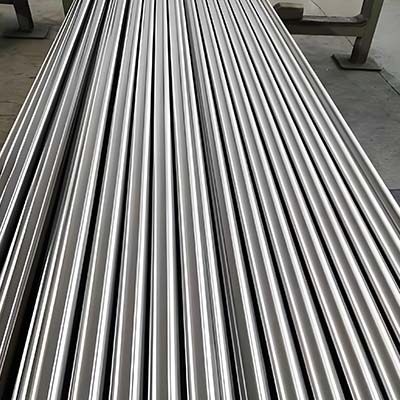
Alloy steel material
Custom Alloy Steel
Custom alloy steel is engineered to meet specific performance requirements for specialized applications. By adjusting the percentages of alloying elements, metallurgists can create steels with optimized characteristics such as wear resistance, thermal stability, or weldability. Industries like aerospace, oil and gas, and heavy machinery often rely on custom alloy steels to ensure components withstand extreme operational conditions. This tailored approach allows for greater efficiency and longevity in critical parts.

Low Alloy Steel
Low alloy steel contains a small percentage of alloying elements (typically less than 8% by weight), offering a balance between cost and performance. These steels provide improved strength and toughness over plain carbon steel while remaining more affordable than high-alloy variants. Common applications include structural components, pipelines, and automotive parts where moderate strength and weldability are essential. Low alloy steels are also favored in environments requiring resistance to atmospheric corrosion.
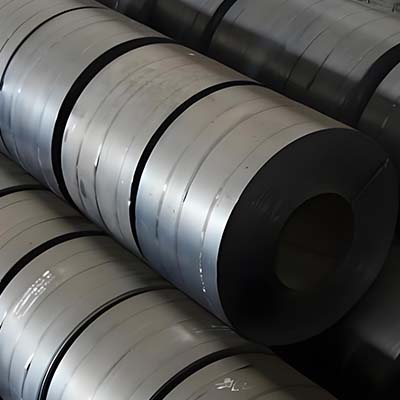
Low-alloy steel
American Alloy Steel
American alloy steel refers to steel grades produced and standardized within the United States, adhering to specifications set by organizations like ASTM (American Society for Testing and Materials) and SAE International. These standards ensure consistency in mechanical properties, chemical composition, and heat treatment requirements. Popular American alloy steels include the 41xx series (chromium-molybdenum steels) and 43xx series (nickel-chromium-molybdenum steels), widely used in automotive and construction industries.

Alloy Steel vs. Stainless Steel
While both alloy steel and stainless steel contain alloying elements, their primary distinction lies in chromium content and corrosion resistance. Stainless steel must contain at least 10.5% chromium, forming a passive oxide layer that prevents rust. Alloy steel, on the other hand, prioritizes strength and hardness, often sacrificing some corrosion resistance unless additional elements like chromium are included. Stainless steel is ideal for food processing, medical devices, and marine applications, whereas alloy steel excels in high-strength, high-wear scenarios like gears, shafts, and heavy machinery.

Key Applications of Alloy Steel
Due to its adaptability, alloy steel is used across multiple sectors:

 
  • Automotive Industry: Crankshafts, axles, and transmission components benefit from alloy steel’s durability.
  • Construction: High-strength bolts, bridges, and reinforced structures rely on low-alloy steels for longevity.
  • Energy Sector: Oil drilling equipment and power plant turbines use custom alloy steels to withstand high pressure and temperature.
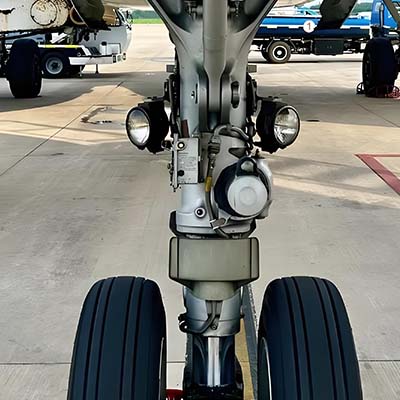
  • Defense & Aerospace: Aircraft landing gear and armored vehicles demand ultra-high-strength alloy formulations.
Aircraft landing gear
Alloy steel’s ability to be customized for specific needs makes it indispensable in modern engineering. Whether opting for low-alloy steel for cost efficiency or investing in custom alloy solutions for extreme conditions, this material delivers unmatched performance. Understanding the differences between alloy steel and stainless steel ensures the right selection for any application, maximizing both functionality and cost-effectiveness. As industries continue to push the limits of material science, alloy steel remains a cornerstone of innovation.
Jucheng Precision Factory
Request Your DFM & Quote – Upload Your Drawings
ㆍFill in your requirements and upload your 2D&3D file, we will feedback your project quotation and DFM within 24 hours.
ㆍFile types: STEP, STP, IGES, IGS, SLDPRT, 3DM, SAT or X_T files File size: < 128 MB Part size: < 1500*1500*1500 mm
ㆍPrivacy: We respect your privacy. Here you can find an example of a non-disclosure agreement. By submitting this form, you agree to our terms & conditions and privacy policy.
Get A Quote And Solution
Factory Address :
Shenzhen: Fourth Industrial Zone, Xisha Road, Shajing Street, Baoan District, Shenzhen.
Dongguan: Building 5 and 4, No. 198, Chang'an Section, Guanchang Road, Chang'an Town, Dongguan.
 
Sales Office: 
unit 1, Enterprise City,Durham DL16 6JF, united Kindom
 
 
+86 - 186 - 8005 - 3076
project@juchengjm.com
(Can't open by clicking? Please copy the email address above and email us.)
Copyright © 2023 Jucheng Precision All rights reserved.