For any questions about our services you can call us at: +86-188-7042-1176

How to Cost Machining a Part on a CNC Lathe: A Breakdown

Calculating the cost of machining a part on a CNC lathe requires a deep understanding of multiple factors, including machine rates, material costs, labor, and operational efficiency. Whether you're a manufacturer, engineer, or procurement specialist, accurately estimating these expenses ensures profitability and competitive pricing. This article explores the key components of CNC lathe machining costs, compares different machining processes, and provides actionable insights for cost optimization.

Understanding CNC Machining and CNC Lathe Machining
CNC machining is a subtractive manufacturing process where computer-controlled machines remove material from a workpiece to create precise parts. It encompasses various operations, including milling, turning, drilling, and grinding, each suited for different geometries and tolerances.
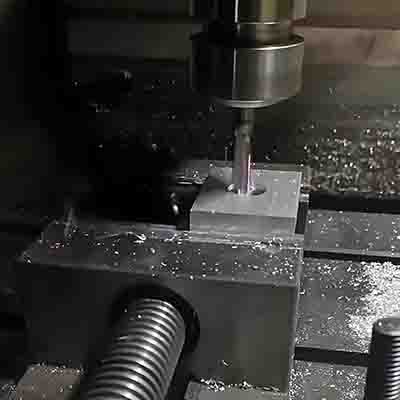
CNC Machining
CNC lathe machining, specifically, involves rotating a workpiece while a stationary cutting tool shapes it. This process is ideal for cylindrical or conical parts, such as shafts, bushings, and threaded components. Due to its high precision and repeatability, CNC lathe machining is widely used in aerospace, automotive, and medical industries.

Key Factors Affecting CNC Lathe Machining Cost
1. Machine Hourly Rate (CNC Lathe Machining Cost Per Hour)
The CNC lathe machining cost per hour is a fundamental metric in pricing. This rate varies based on machine type, age, and capability. Entry-level CNC lathes may cost $30–$50 per hour, while high-end Swiss-type or multi-axis lathes can exceed $150 per hour. Factors influencing this rate include:

 
  • Depreciation & Maintenance – Newer machines have higher depreciation costs but require less maintenance.
  • Energy Consumption – Larger machines consume more power, increasing operational costs.
  • Shop Overhead – Facility expenses (rent, utilities, insurance) are distributed across machine rates.

2. Material Costs
Raw material selection significantly impacts pricing. Common materials include:

 
  • Aluminum ($1.50–$3.50/lb) – Easy to machine, reducing labor time.
  • Stainless Steel ($3–$8/lb) – Harder to cut, increasing tool wear and cycle time.
  • Exotic Alloys (e.g., Titanium, $15–$30/lb) – Require specialized tooling and slower speeds.
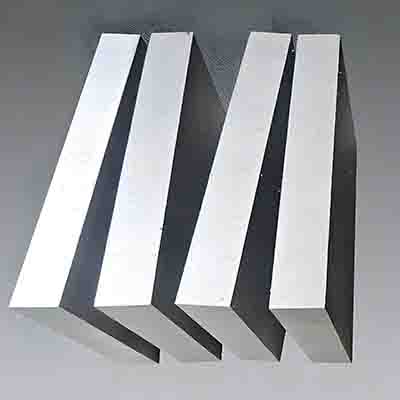
Special alloy materials
3. Labor & Programming
While CNC lathes automate much of the process, skilled labor is still required for:

 
  • CAD/CAM Programming – Complex parts demand advanced programming, adding to costs.
  • Setup & Supervision – Each job requires fixturing and tool calibration.
  • Post-Processing – Deburring, polishing, or coating adds labor expenses.

4. Tooling & Wear
Cutting tools degrade over time, and harder materials accelerate wear. Tooling costs include:

Inserts & Holders – Carbide inserts ($5–$20 each) need frequent replacement.

Coolant & Lubricants – Proper cooling extends tool life but adds to expenses.

5. Batch Size & Cycle Time
Larger production runs reduce per-unit costs due to amortized setup time. Cycle time depends on:

 
  • Part Complexity – Tight tolerances and intricate features increase machining time.
  • Cutting Parameters – Optimizing speed and feed rates improves efficiency.

Comparing CNC Lathe and Milling Machining
While CNC lathe machining excels at rotational parts, CNC milling machining is better suited for prismatic components with complex contours. Some key differences:
Factor CNC Lathe Machining CNC Milling Machining
Primary Use Cylindrical parts (rods, bolts) Flat/3D parts (brackets, molds)
Tool Movement Workpiece rotates, tool stays Tool moves along multiple axes
Cost Efficiency Faster for round parts Better for complex geometries
Setup Complexity Generally simpler Often requires more fixturing


Hybrid machines (e.g., CNC turn-mill centers) combine both processes, reducing part handling and improving precision for complex components.

Strategies to Reduce CNC Lathe Machining Costs
  1. Optimize Design for Manufacturability (DFM)
  • Minimize tight tolerances where unnecessary.
  • Avoid deep, narrow holes that require special tooling.
2. Select Cost-Effective Materials
  • Use free-machining alloys (e.g., 12L14 steel) to reduce tool wear.
3. Leverage High-Speed Machining
  • Faster spindle speeds can decrease cycle times.
4. Consolidate Operations
  • Use multi-axis lathes to complete parts in a single setup.
5.Bulk Ordering
  • Larger quantities lower per-unit costs through economies of scale.
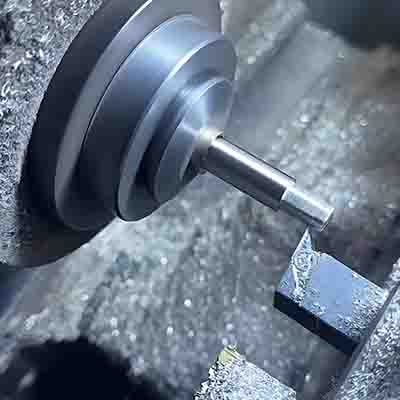
CNC lathe processing
Accurately costing a CNC lathe-machined part involves analyzing machine rates, material selection, labor, and production volume. By understanding these variables and comparing them with milling alternatives, manufacturers can optimize pricing and efficiency. Implementing strategic improvements in design, tooling, and process planning further enhances cost-effectiveness, ensuring competitive advantage in precision machining.

For businesses seeking precision turning services, partnering with an experienced CNC machining provider ensures high-quality parts at optimal costs. Continuous evaluation of machining strategies guarantees long-term profitability in an evolving industry.
Jucheng Precision Factory
Request Your DFM & Quote – Upload Your Drawings
ㆍFill in your requirements and upload your 2D&3D file, we will feedback your project quotation and DFM within 24 hours.
ㆍFile types: STEP, STP, IGES, IGS, SLDPRT, 3DM, SAT or X_T files File size: < 128 MB Part size: < 1500*1500*1500 mm
ㆍPrivacy: We respect your privacy. Here you can find an example of a non-disclosure agreement. By submitting this form, you agree to our terms & conditions and privacy policy.
Get A Quote And Solution
Factory Address :
Shenzhen: Fourth Industrial Zone, Xisha Road, Shajing Street, Baoan District, Shenzhen.
Dongguan: Building 5 and 4, No. 198, Chang'an Section, Guanchang Road, Chang'an Town, Dongguan.
 
Sales Office: 
unit 1, Enterprise City,Durham DL16 6JF, united Kindom
 
 
+86 - 186 - 8005 - 3076
project@juchengjm.com
(Can't open by clicking? Please copy the email address above and email us.)
Copyright © 2023 Jucheng Precision All rights reserved.