CNC (Computer Numerical Control) routers have revolutionized woodworking, metalworking, and fabrication industries by offering precision, efficiency, and repeatability. Whether you're a hobbyist or a professional, understanding the different types of CNC routers—such as CNC wood routers, 5-axis CNC routers, and DIY CNC router kits—can help you choose the best machine for your needs. This guide explores various CNC router machines, their components, and applications while highlighting key considerations when looking for a CNC router for sale.
What Is a CNC Router?
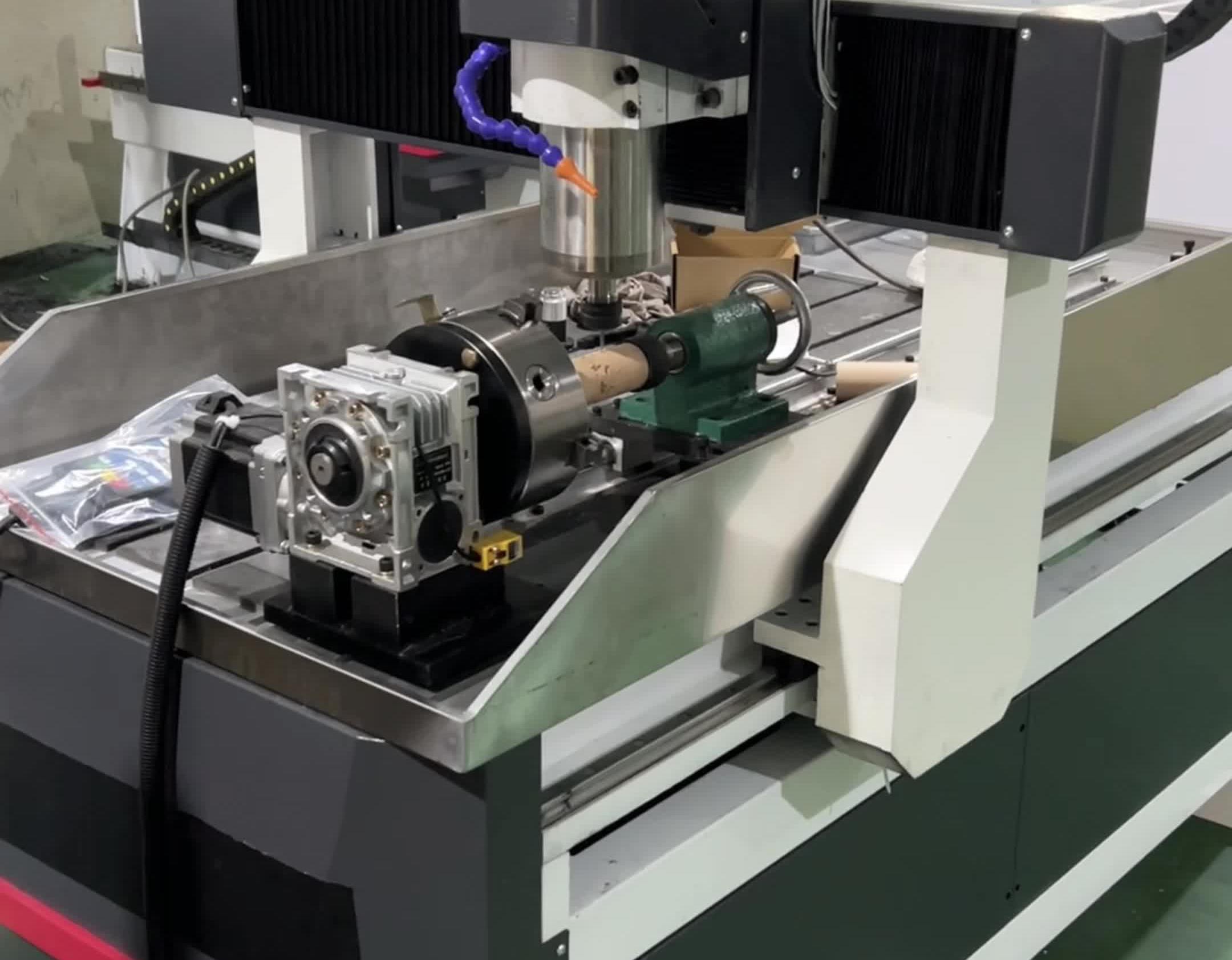
A CNC router machine is a computer-controlled cutting tool used for engraving, milling, and shaping materials like wood, plastic, and metal. Unlike manual routers, CNC routers follow digital designs (G-code) to execute complex cuts with high accuracy. Common types include: - CNC wood routers – Optimized for cabinetry, sign-making, and furniture crafting.
- 5-axis CNC routers – Capable of intricate 3D carving and multi-sided machining.
- DIY CNC routers – Affordable, customizable kits for hobbyists.
Key Components of a CNC Router
1. CNC Router Table
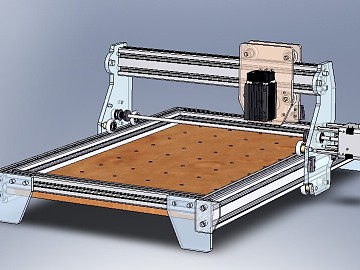
The CNC router table provides a stable surface for material placement. Industrial-grade tables feature T-slots, vacuum beds, or clamping systems to secure workpieces. Larger tables accommodate bigger projects, while benchtop models suit small workshops.
2. CNC Router Bits
The cutting performance depends on CNC router bits, which come in various shapes (e.g., end mills, V-bits, ball-nose bits). Key considerations:
- Material – Carbide-tipped bits last longer than high-speed steel (HSS).
- Flute count – More flutes provide smoother finishes in wood.
- Coating – Titanium-coated bits reduce friction and heat buildup.
3. Control System & Software
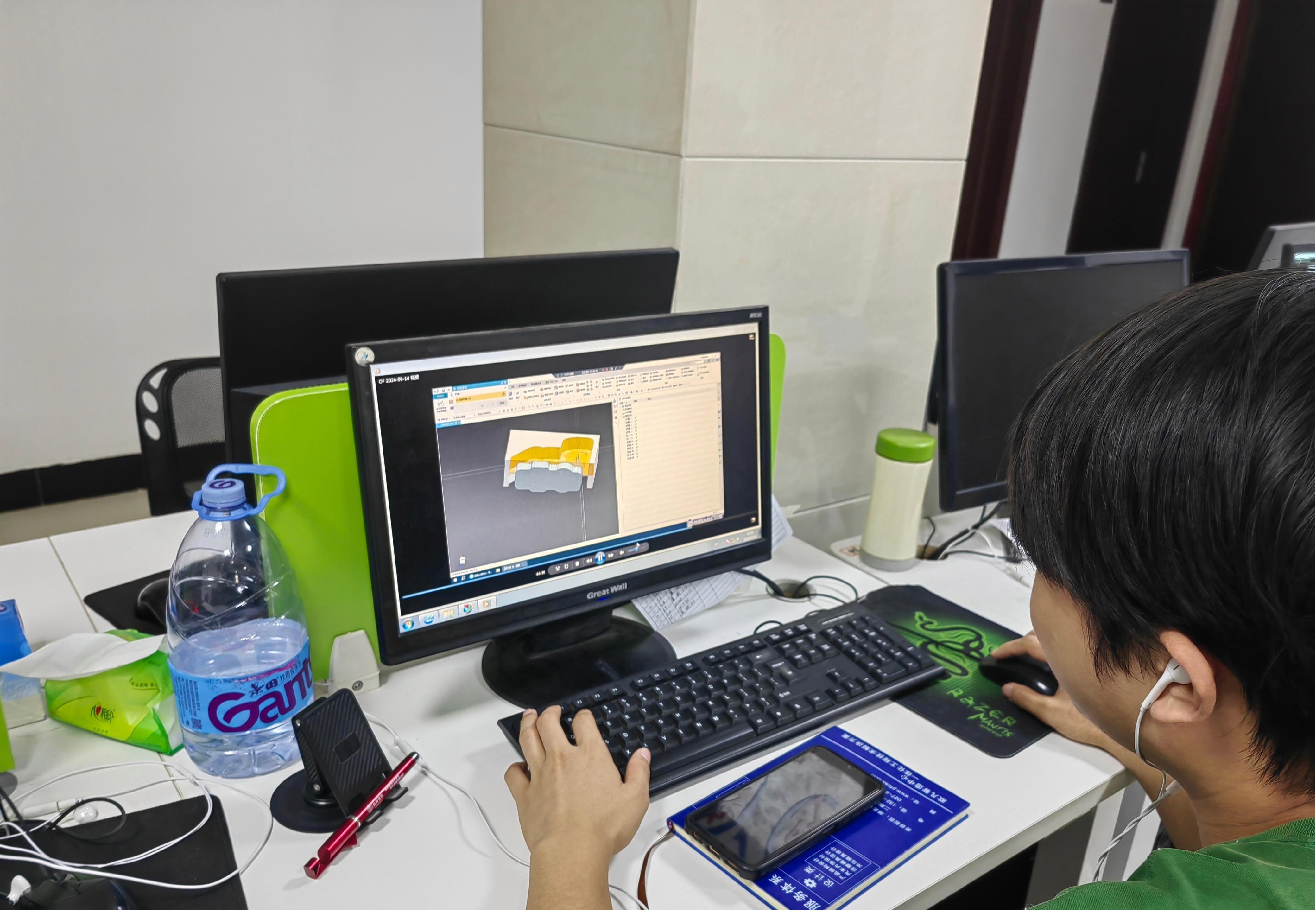
Most CNC routers use software like Mach3, GRBL, or proprietary controllers to interpret design files (e.g., DXF, STL). Advanced systems support 5-axis CNC router movements for complex geometries.
Types of CNC Routers
1. CNC Wood Router
Designed for woodworking CNC router projects, these machines handle hardwoods, MDF, and plywood. Popular for: - Custom furniture
- Decorative carvings
- Sign-making
2. 5-Axis CNC Router
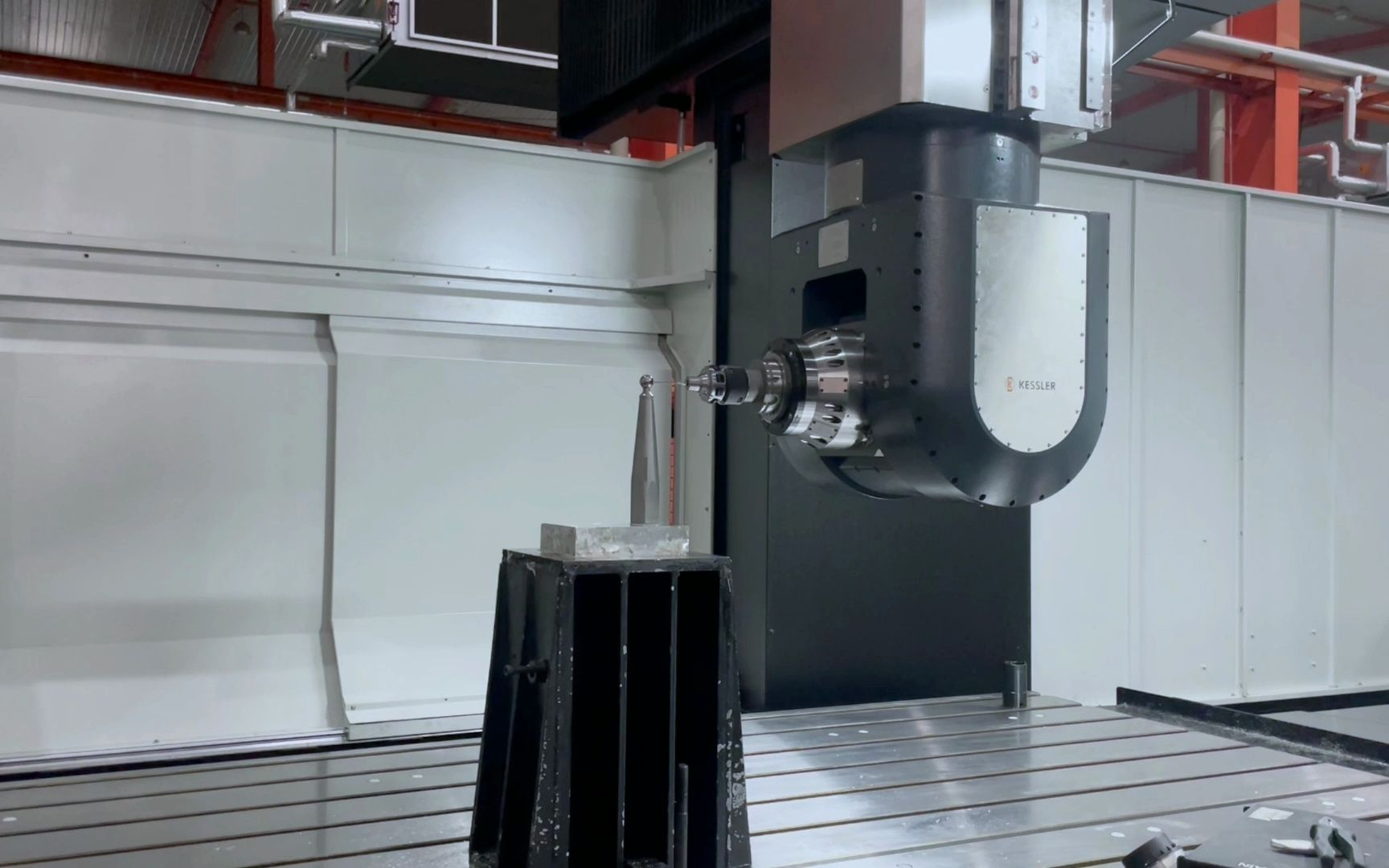
A 5-axis CNC router moves along five axes (X, Y, Z, plus two rotational axes), enabling undercuts and 3D contours. Applications:
- Aerospace components
- Sculptures and molds
- Automotive parts
3. DIY CNC Router Kit
A CNC router kit is ideal for makers who want a budget-friendly, customizable setup. Popular options include:
- OpenBuilds Workbee
- Shapeoko
- MPCNC (Mostly Printed CNC)
4. Industrial vs. Hobbyist CNC Routers
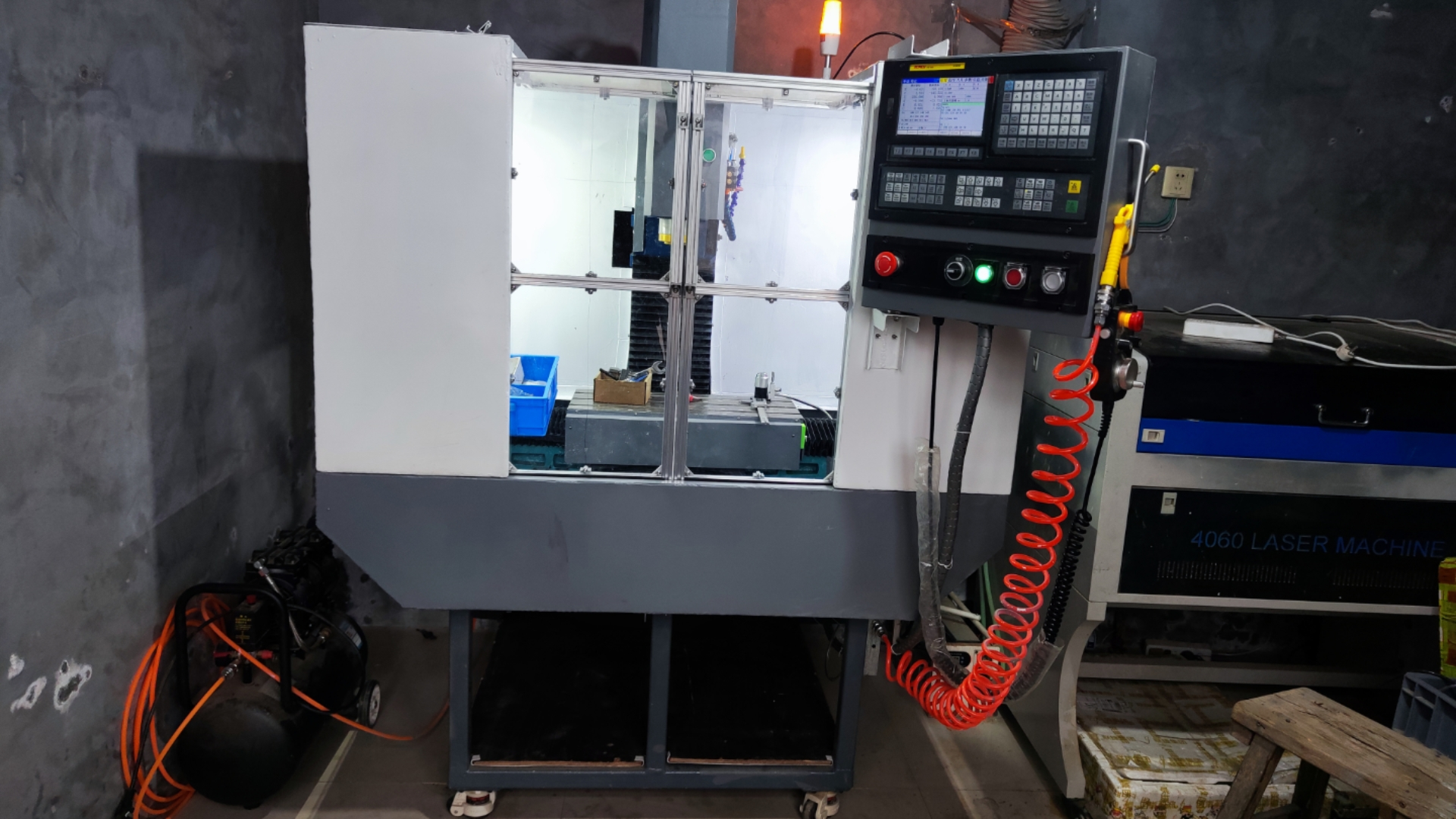
- Best CNC router for professionals: High-power spindles (5+ HP), rigid frames (steel/aluminum), and large work areas.
- Hobbyist models: Smaller, quieter, and often use trim routers (e.g., DeWalt 611).
Choosing the Best CNC Router
When searching for the best CNC router, consider:
1. Material Compatibility
- Wood, plastic, or metal? Harder materials require higher rigidity and spindle power.
2. Work Area
- Small (12"x12"): Engraving and small crafts.
- Large (4'x8'): Full-size plywood sheets.
3. Spindle Power
- 1–3 HP: Suitable for softwoods and plastics.
- 5+ HP: Necessary for aluminum and hardwoods.
4. Budget
- Under $1,000: DIY kits (e.g., 3018 CNC router).
- $5,000–$20,000: Industrial CNC router machines.
5. Software & Compatibility
Ensure the machine supports your preferred CAD/CAM software (e.g., Fusion 360, VCarve).
Where to Find a CNC Router for Sale
Looking for a CNC router for sale? Check:
- Online retailers: Amazon, eBay, AliExpress.
- Specialty vendors: Carbide 3D, ShopBot, Axiom Precision.
- Used markets: Facebook Marketplace, Craigslist (inspect for wear).
Maintenance & Upkeep
To prolong your CNC router’s lifespan:
- Clean the CNC router table regularly to prevent debris buildup.
- Lubricate rails and screws to minimize friction.
- Inspect CNC router bits for wear and replace as needed.
Whether you need a CNC wood router for crafting or a 5-axis CNC router for industrial applications, understanding the machine’s components, capabilities, and maintenance is crucial. For beginners, a DIY CNC router kit offers an affordable entry point, while professionals should invest in the best CNC router for their material and precision requirements.
By evaluating factors like work area, spindle power, and software compatibility, you can find the perfect CNC router machine—whether it’s a compact model for a home workshop or an industrial-grade system for large-scale production. 


