For any questions about our services you can call us at: +86-188-7042-1176

What Is Tool Steel: Comprehensive Technical Overview

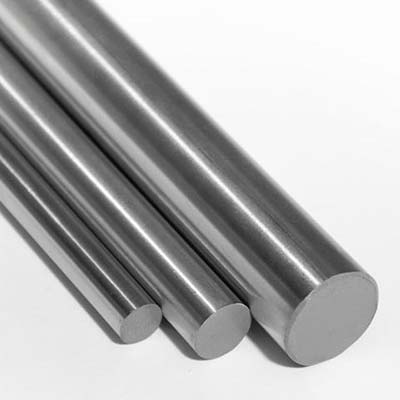
Tool steel is a specialized type of carbon and alloy steel engineered for durability, hardness, and resistance to abrasion, making it ideal for manufacturing cutting, shaping, and forming tools. Unlike conventional steels, tool steels undergo precise heat treatment processes to enhance their mechanical properties, ensuring they withstand high-stress applications such as machining, stamping, and injection molding. These steels typically contain varying amounts of tungsten, molybdenum, chromium, and vanadium, which contribute to their wear resistance and toughness. Due to their exceptional performance in demanding environments, tool steels are widely used in industrial applications where precision and longevity are critical.
Tool steel
CNC Tool Steel: Precision Machining Applications
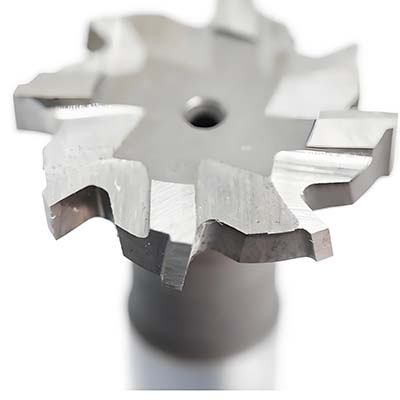
CNC tool steel refers to grades specifically optimized for computer numerical control (CNC) machining, where high-speed cutting and consistent performance are essential. These steels must maintain sharp edges, resist thermal deformation, and minimize wear during prolonged use. Common CNC tool steels include high-speed steels (HSS) like M2 and powder-metallurgy variants such as ASP-30, which offer superior edge retention and heat resistance. CNC machining demands materials that can endure repetitive stress without chipping or deformation, making tool steels with high hardness (HRC 60+) a preferred choice for end mills, drills, and inserts.
CNC Tool steel
A2 Tool Steel: The Air-Hardening Workhorse
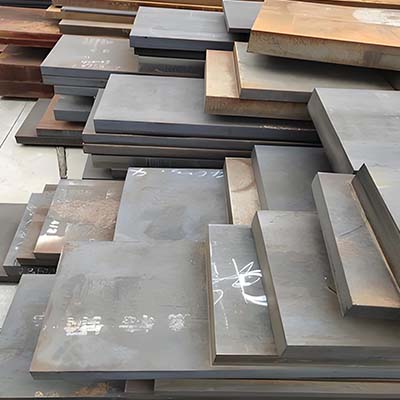
A2 tool steel is a versatile, air-hardening grade known for its balanced properties of toughness and wear resistance. With a composition of approximately 5% chromium, 1% molybdenum, and 1% carbon, A2 steel achieves high hardness (up to HRC 62) through air cooling, reducing distortion risks compared to water or oil quenching. This makes it ideal for intricate tooling applications such as blanking dies, punches, and forming tools. A2 steel also exhibits moderate machinability in its annealed state, allowing for easier fabrication before heat treatment. Its ability to retain sharp edges under moderate impact loads makes it a reliable choice for many industrial tooling applications.
A2 Tool steel
D2 Tool Steel: Superior Wear Resistance for Longevity
D2 tool steel is a high-carbon, high-chromium (11-13%) alloy renowned for its exceptional wear resistance and ability to hold a fine edge. Often classified as a "semi-stainless" steel due to its chromium content, D2 offers better corrosion resistance than many tool steels while maintaining extreme hardness (HRC 60-62). It is widely used in applications requiring prolonged abrasion resistance, such as shear blades, slitter knives, and woodworking tools. However, D2’s lower toughness compared to A2 or shock-resistant grades makes it less suitable for high-impact applications. Proper heat treatment is critical to maximize its performance, as improper tempering can lead to brittleness.

Comparing Tool Steel Grades for Optimal Performance
Selecting the right tool steel depends on the specific application requirements. For instance, CNC tool steels prioritize machinability and heat resistance, while A2 offers a balance of toughness and dimensional stability during heat treatment. D2, on the other hand, excels in wear resistance but requires careful handling to avoid brittleness. Other notable grades include O1 (oil-hardening) for ease of sharpening and S7 (shock-resistant) for high-impact tools like chisels. Understanding the trade-offs between hardness, toughness, and corrosion resistance ensures optimal tool performance and longevity.


Tool steel remains indispensable in modern manufacturing, providing the durability and precision needed for demanding industrial processes. Whether it’s CNC machining, die-making, or cutting applications, selecting the appropriate grade—such as A2 for versatility or D2 for wear resistance—ensures efficiency and cost-effectiveness. Advances in metallurgy continue to enhance these materials, offering even greater performance for tomorrow’s tooling challenges. By understanding the unique properties of each tool steel type, engineers and machinists can make informed decisions to maximize productivity and tool life.
Jucheng Precision Factory
Request Your DFM & Quote – Upload Your Drawings
ㆍFill in your requirements and upload your 2D&3D file, we will feedback your project quotation and DFM within 24 hours.
ㆍFile types: STEP, STP, IGES, IGS, SLDPRT, 3DM, SAT or X_T files File size: < 128 MB Part size: < 1500*1500*1500 mm
ㆍPrivacy: We respect your privacy. Here you can find an example of a non-disclosure agreement. By submitting this form, you agree to our terms & conditions and privacy policy.
Get A Quote And Solution
Factory Address :
Shenzhen: Fourth Industrial Zone, Xisha Road, Shajing Street, Baoan District, Shenzhen.
Dongguan: Building 5 and 4, No. 198, Chang'an Section, Guanchang Road, Chang'an Town, Dongguan.
 
Sales Office: 
unit 1, Enterprise City,Durham DL16 6JF, united Kindom
 
 
+86 - 186 - 8005 - 3076
project@juchengjm.com
(Can't open by clicking? Please copy the email address above and email us.)
Copyright © 2023 Jucheng Precision All rights reserved.