


Stainless steel, particularly Grade 304, stands as a cornerstone in modern industrial applications due to its exceptional properties, including high corrosion resistance, durability, and versatility. Composed of 18% chromium and 8% nickel, this austenitic alloy offers a unique blend of strength and formability, making it a preferred choice across diverse sectors. As industries evolve, the demand for materials that can withstand harsh environments while maintaining cost-effectiveness has propelled 304 stainless steel into the spotlight. This article delves into the multifaceted uses of 304 stainless steel, highlighting its role in various industrial domains. From heavy machinery to everyday consumer products, the alloy's adaptability ensures it remains integral to technological advancements and sustainable practices. By exploring specific applications, we can appreciate how 304 stainless steel contributes to efficiency, safety, and innovation in global markets, all while adhering to stringent industry standards.
content:
Industrial Equipment and Machinery
Automobile Manufacturing Innovations
Shipbuilding and Marine Applications
Building Materials and Architectural Uses
Medical Devices and Healthcare Solutions
Food Containers and Processing Equipment
Household Goods and Consumer Products
Industrial Equipment and Machinery
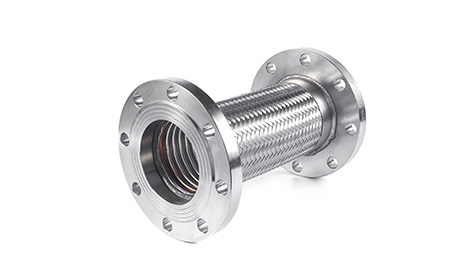
In the realm of industrial equipment, 304 stainless steel is extensively utilized for constructing machinery components, storage tanks, and processing units. Its resistance to oxidation and corrosion makes it ideal for environments exposed to chemicals, moisture, and high temperatures. For instance, in chemical plants and manufacturing facilities, equipment such as pumps, valves, and conveyor systems often incorporate 304 stainless steel to prevent contamination and ensure long-term reliability. The material's ability to maintain structural integrity under stress reduces maintenance costs and downtime, enhancing overall productivity. Additionally, its non-magnetic properties and ease of fabrication allow for custom designs in complex industrial setups. As industries push for higher efficiency and sustainability, 304 stainless steel supports innovations in automation and energy-efficient systems, proving indispensable in sectors like mining, agriculture, and power generation. This widespread adoption underscores its role in driving industrial growth while meeting safety and environmental regulations.

Automobile Manufacturing Innovations
The automobile manufacturing industry leverages 304 stainless steel for various components, including exhaust systems, trim pieces, and structural supports. Its high strength-to-weight ratio contributes to vehicle lightweighting efforts, which improve fuel efficiency and reduce emissions. In exhaust systems, for example, the alloy's resistance to heat and corrosion from gases ensures durability and compliance with emission standards. Moreover, 304 stainless steel is used in decorative elements like grilles and wheel covers, offering a sleek, modern appearance that appeals to consumers. As electric vehicles gain traction, this material finds new applications in battery enclosures and charging infrastructure, where its non-reactive nature prevents electrical issues. Automotive manufacturers value 304 stainless steel for its recyclability, aligning with circular economy goals. By integrating this alloy into design processes, companies achieve a balance between performance, aesthetics, and environmental responsibility, reinforcing its status as a key enabler of automotive advancement.
Shipbuilding and Marine Applications
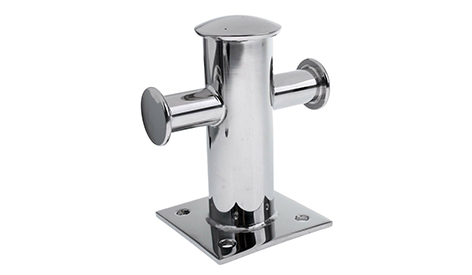
Shipbuilding relies heavily on 304 stainless steel for hull constructions, deck fittings, and piping systems due to its exceptional resistance to saltwater corrosion. In marine environments, where exposure to seawater and atmospheric salts can degrade materials rapidly, 304 stainless steel provides longevity and safety. It is commonly used in propellers, railings, and storage tanks on vessels, ensuring structural stability and reducing the risk of failure during operations. The alloy's weldability facilitates the construction of large, complex ship components, while its hygienic properties make it suitable for areas handling potable water and waste. As the shipping industry adopts greener technologies, 304 stainless steel supports innovations in ballast water treatment and emission control systems. Its role in offshore platforms and naval architecture further highlights its versatility, helping to withstand extreme conditions and minimize environmental impact. By choosing 304 stainless steel, shipbuilders enhance durability and operational efficiency, contributing to safer and more sustainable maritime activities.
Building Materials and Architectural Uses
In the construction sector, 304 stainless steel serves as a fundamental building material for structural frameworks, façades, and interior finishes. Its corrosion resistance ensures that structures like bridges, skyscrapers, and public infrastructures remain intact despite exposure to weather elements and pollution. Architects and engineers favor this alloy for applications such as roofing, cladding, and reinforcement bars because it combines aesthetic appeal with functional robustness. For instance, in modern architectural designs, 304 stainless steel is used in decorative panels and handrails, providing a sleek, contemporary look while requiring minimal upkeep. The material's fire resistance and recyclability also support green building certifications, such as LEED, by promoting energy efficiency and reducing waste. As urbanization accelerates, the use of 304 stainless steel in smart buildings and sustainable projects demonstrates its adaptability to evolving construction demands. This not only enhances building longevity but also aligns with global efforts to create resilient, eco-friendly urban environments.
Medical Devices and Healthcare Solutions
The medical devices industry depends on 304 stainless steel for instruments, implants, and equipment due to its biocompatibility and ease of sterilization. Surgical tools, such as scalpels and forceps, are often made from this alloy because it resists corrosion from bodily fluids and cleaning agents, ensuring patient safety and instrument longevity. In diagnostic and imaging equipment, 304 stainless steel provides structural support and hygiene, critical in environments like operating rooms and laboratories. Additionally, its use in orthopedic implants, such as bone plates and screws, highlights its ability to integrate with human tissues without adverse reactions. As healthcare advances toward minimally invasive procedures and digital health tools, 304 stainless steel facilitates the development of precise, reliable devices that meet regulatory standards. The material's non-porous surface prevents bacterial growth, reducing infection risks in hospitals. This makes it a vital component in improving healthcare outcomes, supporting innovations from routine check-ups to complex surgeries.
Food Containers and Processing Equipment
In the food industry, 304 stainless steel is the material of choice for containers, processing machinery, and storage units because of its non-reactive surface and hygienic properties. Food containers made from this alloy prevent contamination and preserve taste, making them ideal for transporting and storing perishable items like dairy, beverages, and canned goods. Processing equipment, such as mixers, conveyors, and tanks, utilizes 304 stainless steel to meet strict sanitation standards, as it can withstand frequent cleaning with harsh detergents without degrading. The material's resistance to acids and alkalis ensures that it does not leach harmful substances into food products, safeguarding consumer health. Moreover, in commercial kitchens and packaging facilities, its durability reduces replacement costs and supports efficient production lines. As food safety regulations tighten globally, 304 stainless steel enables compliance through easy inspection and maintenance. This reliability extends to agricultural and beverage sectors, where it helps maintain product quality from farm to table, underscoring its essential role in the food supply chain.
Household Goods and Consumer Products
Household goods frequently incorporate 304 stainless steel in items like kitchen utensils, appliances, and decorative pieces due to its durability and aesthetic appeal. Cookware, sinks, and cutlery made from this alloy offer resistance to stains and rust, ensuring long-lasting performance in daily use. Its ease of cleaning and hypoallergenic properties make it popular in products that come into contact with food or skin, such as refrigerators and bathroom fixtures. Additionally, 304 stainless steel is used in furniture and lighting fixtures, providing a modern, industrial look that complements various home styles. The material's sustainability, as it is fully recyclable, appeals to environmentally conscious consumers seeking to reduce waste. As smart home technologies emerge, 304 stainless steel integrates into devices like smart ovens and water filters, combining functionality with design. This widespread use in household items not only enhances everyday convenience but also promotes healthier living environments by minimizing chemical exposure and supporting easy maintenance.

In conclusion, 304 stainless steel demonstrates remarkable versatility across industrial applications, from heavy-duty equipment and automotive systems to medical devices and everyday household products. Its corrosion resistance, strength, and adaptability make it a invaluable material in driving innovation and sustainability. As industries continue to evolve, the demand for 304 stainless steel is likely to grow, particularly in emerging fields like renewable energy and advanced manufacturing. By understanding its diverse uses, stakeholders can leverage this alloy to address challenges such as environmental regulations and efficiency demands. Ultimately, 304 stainless steel remains a testament to how material science fuels progress, offering solutions that balance performance, cost, and ecological impact for a brighter industrial future.

