


Anodized aluminum is a widely used material in various industries due to its enhanced durability and aesthetic appeal. The anodizing process involves an electrochemical treatment that thickens the natural oxide layer on aluminum, resulting in a surface that is more resistant to corrosion, wear, and environmental factors. This treatment not only improves the material's performance but also allows for vibrant color options through dyeing techniques. As a versatile metal, anodized aluminum finds applications in everything from consumer electronics to aerospace engineering. Understanding its properties, comparisons to other materials, and real-world uses can help engineers, designers, and manufacturers make informed decisions. In this article, we will explore key aspects of anodized aluminum, including its characteristics, how it stacks up against alternatives like ceramic and Teflon, and address common questions such as its susceptibility to rust.
How is Aluminum Made "Anodized"?
Why is Anodized Aluminum So Great?
Anodized Aluminum vs. Regular Aluminum
Where Do We See This Metal?
Hard-Anodized vs. Ceramic: A Battle of Coatings
Will Anodized Aluminum Rust?
Anodized Aluminum vs. Ceramic: A Quick Look
Hard Anodized vs. Teflon: The Pan Debate
How is Aluminum Made "Anodized"?
Making aluminum "anodized" is like giving it a power-up. The aluminum is placed in a special liquid, and electricity is passed through it. This causes the surface of the aluminum to grow a thick, protective skin full of tiny holes. This skin is very hard. After that, the metal can be dipped in colorful dyes that fill these tiny holes. Finally, the holes are sealed shut, locking in the color and making the surface even stronger. It's not like paint that can chip off; this new skin is a part of the metal itself.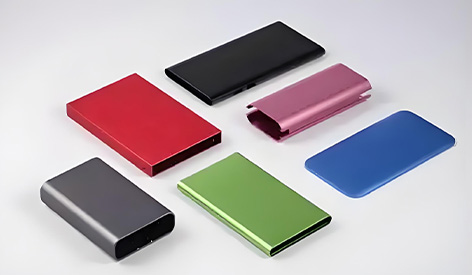
Why is Anodized Aluminum So Great?
Let's talk about the properties of anodized aluminum, which is just a fancy way of saying "what it's good at."Super Tough: Its hard surface is very difficult to scratch.
Doesn't Rust: It's amazing at resisting corrosion from water and air. We'll talk more about this later!
Looks Cool: It can be made in many bright and shiny colors that don't fade easily.
Lightweight: Like regular aluminum, it is very light, which is great for things like bikes and phones.
Safe and Clean: It is non-toxic and easy to keep clean.
Anodized Aluminum vs. Regular Aluminum
So, what's the difference between anodized aluminum and aluminum? Think of it like this: regular aluminum is like a plain piece of wood. It's useful, but it can get scratched or stained. Anodized aluminum is like that same piece of wood covered in a super-strong, clear sealant. It's the same lightweight metal underneath, but the anodized version is much harder, more durable, and comes in fun colors. You pay a little more for the anodized version, but it lasts much, much longer.
Where Do We See This Metal?
The applications of anodized aluminum are everywhere! Here are some places you might find it:Your Home: On window frames, screen doors, and kitchen appliances.
Your Tech: On the body of your tablet, laptop, or smartphone.
Getting Around: On parts of cars, airplanes, and bicycles to make them lighter and stronger.
In the Kitchen: Many pots and pans are made from "hard-anodized" aluminum, which we'll talk about soon!
Hard-Anodized vs. Ceramic: A Battle of Coatings
People often compare hard anodised vs ceramic coatings, especially for cookware.Hard-Anodized Aluminum: This is the super-tough version of anodized aluminum. It's like a knight's armor for a pot or pan. It's very hard to scratch, heats up evenly, and doesn't rust.
Ceramic: This coating is like a super-smooth glass layer. It's great at handling very high heat and is naturally non-stick.
So, which is better? It depends! Hard-anodized metal is less likely to crack if you drop it. Ceramic is very smooth, but it can chip if you're not careful. Hard-anodized is often the winner for long-lasting strength.

Will Anodized Aluminum Rust?
This is a common question: will anodized aluminum rust?The simple answer is no. Rust is the orange-brown stuff that forms on iron and steel when they get wet. Aluminum doesn't contain iron, so it can't get that kind of rust. The anodized coating acts like a powerful shield, protecting the aluminum inside from water and air. So, while it won't "rust," it's one of the best metals for staying clean and shiny, even in the rain.
Anodized Aluminum vs. Ceramic: A Quick Look
We already talked about cookware, but let's compare anodized vs ceramic in general. Anodized aluminum is the metal itself with a hardened surface. Ceramic is a coating that is applied on top of another material. Anodized aluminum is great for building strong, light things like bike parts. Ceramic is amazing for things that get extremely hot, like the tiles on a space shuttle!
Hard Anodized vs. Teflon: The Pan Debate
If you've ever seen a non-stick frying pan, you've probably seen hard anodized vs Teflon.Teflon: This is the classic, super-slippery coating that makes food slide right out of the pan. The downside is that it can scratch easily with metal utensils and can be damaged by very high heat.
Hard-Anodized: This isn't naturally non-stick, but the super-hard surface is often combined with a safe non-stick coating. The big advantage is that the hard-anodized base is very durable and resistant to scratches. It's a tougher, longer-lasting option.
Anodized aluminum stands out as a robust, versatile material that combines enhanced properties with broad applicability. From its corrosion-resistant nature to its advantages over plain aluminum and other coatings like ceramic and Teflon, it offers solutions for diverse industrial and consumer needs. By understanding its characteristics—such as whether it rusts or how it compares in hard anodized forms—users can leverage its benefits effectively. As technology advances, anodized aluminum continues to evolve, meeting demands for sustainability and performance. Whether in architecture, electronics, or everyday products, its role remains pivotal, underscoring the importance of informed material selection in design and manufacturing.

