


Have you ever seen a old, green statue or a penny that isn't shiny anymore? That's the story of copper! Copper is a special metal that has been used for thousands of years. But it has a secret: it changes over time. Let's explore what happens to copper and why it's actually a superpower!
Does Copper Corrode?
The Big Question: Does Copper Rust?
Is Copper Tough?
How Do We Use Copper?
Copper Meets the Air
Different Types of Copper
What to Look For
The Famous Green Look
Does Copper Corrode?
Yes, copper does change, but we don't call it "rusting." Rust is a word we save for what happens to iron, like on an old bike. Iron rust is flaky and orange, and it makes the metal weak.
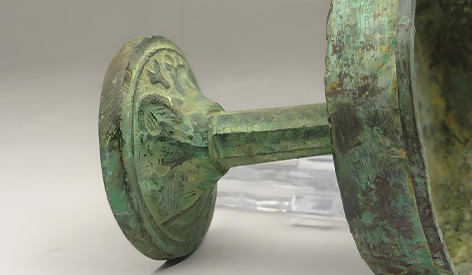
Copper's change is different and much cooler! When copper meets air and a little bit of water, it starts to grow a thin "skin" called a patina. This skin isn't weak like rust. It's strong and sticks tightly to the copper, actually protecting the metal underneath like a superhero's shield. So, while copper changes, it does it in a way that helps it last a very, very long time.
What Makes Copper So Special?
Imagine a metal that is super strong, but you can also bend it and stretch it into thin wires. That's Copper's Properties! It's like the Play-Doh of the metal world. It's also a superstar at conducting, or carrying, electricity and heat. This is why we use it for electrical wires in your house and for cooking pots.
Plus, copper isn't in a hurry to react with everything around it (unlike some other metals). This laid-back personality is a big reason why it's so durable and perfect for things that need to last.
The Big Question: Does Copper Rust?
Let's make this super clear: No, copper does not rust.
Remember, "rust" is a special word only for iron and steel. Copper does something else. It creates that protective patina we talked about. So, if someone asks if an old copper roof is "rusty," you can tell them it's not rusty—it's just wearing its beautiful, protective green coat!
Is Copper Tough?
We can say that copper is corrosion-resistant. Think of it like a knight putting on armor. When copper is left outside, it quickly grows its own armor—that patina. This armor shield stops the weather from damaging the metal underneath.
This makes copper perfect for things that need to last a long time, like water pipes in your house and roofs on buildings. However, this armor isn't perfect against everything. Very strong acids or super salty water can still bother it. So, scientists pick the right metal for the right job!
How Do We Use Copper?
Because copper is so useful, we use it everywhere! But first, we have to process it to get it ready.
Electricity: Its super conductivity makes it the #1 choice for electrical wires in your home and school.
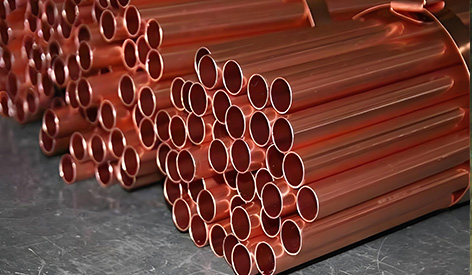
Water Pipes: Its resistance to corrosion makes it great for pipes that carry water.
Buildings: Architects love it for beautiful roofs that slowly change from a shiny brown to a cool green over time.
To get copper ready, we can melt it, stretch it into wires, or pound it into sheets. We can also mix it with other metals to make alloys like brass (copper and zinc) or bronze (copper and tin), which are even stronger for certain jobs.
Copper Meets the Air
Oxygen in the air is copper's best friend in making its armor. As soon as copper meets oxygen, they start to form a new layer. This first layer is usually a darker color, like brown or black. It sticks tightly to the copper and is the first step in building its protective shield. For a statue, this is great. For an electrical wire, we cover the copper with plastic to keep the metal shiny and working perfectly inside.
Different Types of Copper
Not all copper is exactly the same! We have different "types" or families of copper, depending on what we mix it with.
Pure Copper: This is the best for conducting electricity.
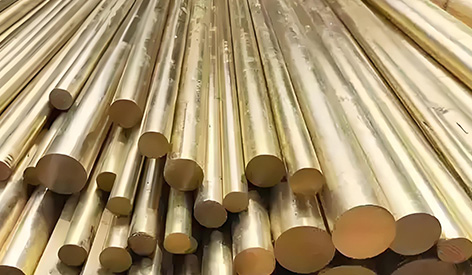
Brass: This is copper mixed with zinc. It's stronger and easier to shape into things like musical instruments and door handles.
Bronze: This is copper mixed with tin. It's very strong and resistant to wear, perfect for statues and ship parts.
Picking the right type is like choosing the right player for a sports team—you want the one with the best skills for the game!
What to Look For
You can be a scientist and observe copper yourself! Next time you see an old copper roof or a penny, look closely.
Good Signs: A smooth, even color—like a uniform brown, black, or green coating. This means the protective patina is doing its job well.
Warning Signs: Spotty colors, rough patches, or a powdery green substance. This might mean something in the environment is bothering the copper, like too much salt or pollution.
The Famous Green Look
The "copper greening" is the final, beautiful look of an old copper item. That famous blue-green color is the full patina. It's like the copper has reached its final level of superhero armor! This green coat is incredibly tough and protects the metal underneath for hundreds of years. So, when you see a green statue, you're looking at a sign of a long and healthy life, not a sign of decay.
In summary, copper does corrode, but in a manner that often bestows long-term durability. Its material properties, including its ability to form a stable patina through reaction with oxygen, make it highly corrosion-resistant for many applications. Proper classification and observation are key to its successful implementation. The iconic greening seen on statues and roofs is not a failure but a testament to a sophisticated and protective corrosion mechanism, solidifying copper's role as a vital engineering material.

