


Epoxy resin is a versatile thermosetting polymer renowned for its exceptional strength, durability, and chemical resistance once cured. It is formed by a chemical reaction between a resin and a hardener. When these two components are mixed, they initiate a process that transforms the liquid mixture into a rigid, solid plastic material. This transformation is irreversible, making the final product incredibly robust. Its applications span from high-performance industrial coatings and adhesives to creative DIY projects and artistic endeavors, making it a fundamental material in both professional and hobbyist settings.
content:
The Clarity of Clear Epoxy Resin
Mastering Large Casts with Deep Pour Epoxy Resin
Choosing the Right Epoxy Resin for Moulds
Identifying the Best Epoxy Resin
Enhancing Art with Epoxy Resin for Painting
UV Resin vs. Epoxy Resin: Technical Comparison
For beginners and professionals alike, an epoxy resin kit is the most convenient way to start a project. These kits typically include pre-measured amounts of resin and hardener, ensuring the correct mixing ratio is easily achieved—a critical factor for a successful cure. Many kits also come with essential accessories like mixing cups, stir sticks, and sometimes even gloves and spreaders. Whether you're creating river tables, coating artwork, or making jewelry, a well-designed kit provides everything needed in one package, eliminating guesswork and simplifying the process from start to finish.
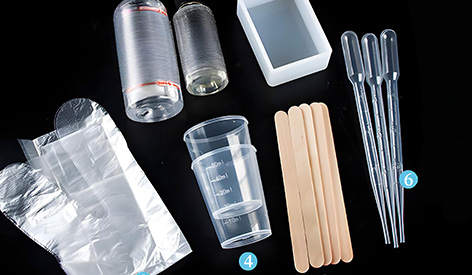
The Clarity of Clear Epoxy Resin
When a crystal-clear, glass-like finish is the ultimate goal, clear epoxy resin is the product of choice. Formulated to have minimal bubbles and exceptional optical clarity, this type of resin is perfect for encapsulating objects, creating glossy bar tops, and preserving artwork or memorabilia. Its self-leveling properties allow it to create a perfectly smooth surface, enhancing the visual depth and vibrancy of colors beneath it. For projects where yellowing over time is a concern, especially when exposed to UV light, selecting a premium clear epoxy with UV-resistant additives is highly recommended.
Mastering Large Casts with Deep Pour Epoxy Resin
Not all resins are created equal, and deep pour epoxy resin is specialized for one particular task: casting thick sections in a single pour. Standard resins generate excessive heat (exotherm) when poured in deep layers, which can lead to cracking, smoking, or improper curing. Deep pour variants are engineered with a slower cure time and lower exothermic reaction, allowing them to be poured in layers several inches thick. This makes them the ideal solution for creating stunning river tables, thick wood slabs, and other deep mold projects without the risk of thermal runaway.
Choosing the Right Epoxy Resin for Moulds
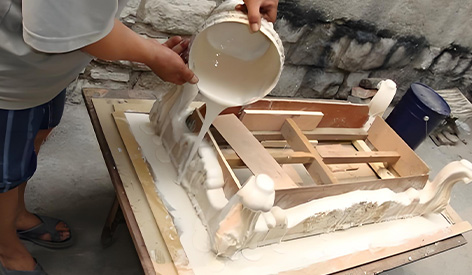
The success of any casting project heavily depends on selecting the appropriate epoxy resin for moulds. This category of resin is formulated to be flexible upon demolding, preventing it from sticking or damaging delicate silicone or plastic molds. It typically features low viscosity, allowing it to easily flow into intricate details and corners, capturing every nuance of the mold's design. It is the go-to material for crafting jewelry, decorative figurines, coasters, and any other item where a precise, replicated form is desired.
Identifying the Best Epoxy Resin
The title of best epoxy resin is not universal; it is entirely dependent on the project's specific requirements. For artistic applications like resin art or coating paintings, a thin, bubble-resistant resin with a long pot life (working time) is considered best. For woodworking and tabletops, a harder, more scratch-resistant formulation is superior. The "best" product balances factors such as clarity, UV stability, hardness, ease of use, and intended pour depth. Researching and comparing products based on user reviews and technical datasheets is essential to find the optimal resin for your needs.
Enhancing Art with Epoxy Resin for Painting
Artists have embraced epoxy resin for painting as a final coating to add incredible depth, protection, and a professional glossy finish to their work. Often referred to as "resin art" or using resin as a doming coating, it transforms a flat painting into a three-dimensional masterpiece. The resin seals and protects the artwork from dust, UV light, and moisture, ensuring its longevity. This application requires a resin with excellent self-leveling properties and bubble release to create a flawless, gallery-quality surface without distorting the underlying image.

UV Resin vs. Epoxy Resin: Technical Comparison
The debate between UV resin vs. epoxy resin hinges on curing mechanisms and application. UV resin remains liquid until it is exposed to a specific wavelength of ultraviolet light, curing it within minutes. It's excellent for small, quick repairs or jewelry making but is unsuitable for large pours as light cannot penetrate deep sections. Epoxy resin, in contrast, cures through a chemical reaction between two parts and is not dependent on light. It offers a much longer working time and can be used for significantly larger projects. Epoxy is generally stronger and more durable than its UV-cured counterpart, making it better for functional items.
For those who prefer to shop in person, finding epoxy resin at Lowe's is a convenient option. The home improvement retailer typically stocks a selection of popular brands designed for various tasks, such as garage floor coating kits, bar top finishes, and general-purpose adhesives. While the in-store selection might not include the highly specialized art resins found online, it provides immediate access to reliable products for many common DIY repair and improvement projects, allowing customers to get started right away.
In conclusion, epoxy resin is a remarkably adaptable material whose properties can be finely tuned for a vast array of applications. From the meticulous detail of mold casting to the structural demands of deep-pour furniture making, understanding the different product categories is key to a successful outcome. By carefully selecting the right type—be it a clear coat for art, a durable tabletop finish, or a convenient kit from a local retailer—makers and professionals can fully leverage the power of this modern polymer.

