


Fused Deposition Modeling, commonly known as FDM, represents one of the most accessible and widely adopted forms of 3D printing technology today. From hobbyists tinkering in their garages to engineers developing functional prototypes, FDM printers have unlocked new possibilities in digital fabrication. This guide explores the world of this technology. It covers the basic mechanics of FDM 3D printing. It also looks at the cost of FDM 3D printers. Finally, it discusses the ongoing debate between resin and FDM printers.
content:
What is an FDM Printer?
FDM vs. FFF: What's the Difference?
Your Own Mini Factory: Desktop FDM Printers
How Much Does it Really Cost?
What Are These Printers Made Of?
How Does it Actually Print Something?
The Big Showdown: Resin vs. FDM Printers
What is an FDM Printer?
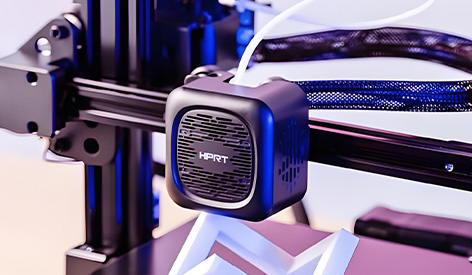
An FDM printer is a type of 3D printer that works a lot like a fancy pastry chef piping icing. For an FDM 3D printer, the "icing" is a long, skinny string of plastic, called filament. The printer heats the filament until it melts. Then, it carefully squeezes out the melted plastic through a tiny nozzle, drawing one flat slice of an object at a time. It starts from the bottom and builds upward, with each new layer sticking to the one below it. After a while, all these layers stack up to create a solid, three-dimensional thing you can hold in your hand. This whole amazing process is called FDM 3D printing!
FDM vs. FFF: What's the Difference?
You might also hear people talk about "FFF" printers. Don't let this confuse you! FDM and FFF 3D printers are the exact same thing. "FDM" was the first brand name for this technology, kind of like how some people say "Kleenex" instead of "tissue." "FFF" is the general, non-brand name for it. So, whether you see FDM or FFF, they are talking about the same cool machines that build things with plastic filament.
Your Own Mini Factory: Desktop FDM Printers
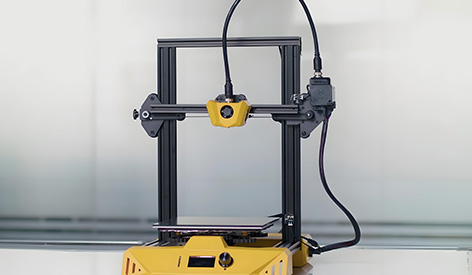
The most common type you'll see is a desktop FDM printer. These are machines small enough to sit on a tabletop, just like a regular paper printer. Because they are smaller and made for everyone to use, the FDM 3D printer price for these models is much more affordable. This is why so many schools, artists, and kids (with adult help!) can have one. Having a desktop FDM printer is like having a tiny factory on your desk, ready to make whatever you can imagine.
How Much Does it Really Cost?
When you think about the FDM 3D printer cost, you have to think about two things. First, there's the price of the machine itself. You can find some good starter printers for a couple hundred dollars. But second, you also need to buy the plastic filament, which is like the "ink" for the printer. A spool of filament usually costs between twenty and thirty dollars. Sometimes, tiny parts on the printer, like the nozzle, can wear out and need to be replaced. So, the total FDM 3D printer cost includes the machine plus the supplies you need to keep it running.
What Are These Printers Made Of?
The plastic string that the printer uses is called FDM material, or filament. It comes in many different types, just like there are different types of paper for drawing.
PLA Plastic: This is the most popular kind. It's made from cornstarch and is easy to use. It's great for making toys, models, and art projects.
ABS Plastic: This type is tougher and can handle heat better, like a Lego brick! It's used for stronger things, but it can be a little trickier to print with.
PETG Plastic: This is a great middle-ground. It's strong and durable, and people often use it to make water bottles and parts that need to last a long time.
TPU Plastic: This one is really cool because it's bendy and flexible, like rubber! You could use it to print a phone case or a squishy toy.

How Does it Actually Print Something?
The FDM 3D printing process is a fun, step-by-step adventure:
Design It: First, you need a 3D design. You can create one on a computer using a special program or download a ready-made design from the internet.
Slice It: Next, a special computer program called a "slicer" chops your 3D model into hundreds of flat, horizontal layers, like slicing a loaf of bread.
Print It: The slicer sends the instructions to the printer. The printer heats up, and the nozzle starts moving, laying down the first layer of melted plastic onto a flat plate. It keeps going, layer by layer, until your object is finished!
Enjoy It: Once the printer is done, you just carefully take your new creation off the plate. Sometimes you might need to snap off little plastic supports that helped during printing.
The Big Showdown: Resin vs. FDM Printers
You might wonder how FDM printers are different from other kinds, like resin printers. Let's compare resin vs. FDM printers!
FDM Printers: These are great for making bigger, stronger things that you can actually use, like a pencil holder or a tool. The plastic is tough, and the FDM 3D printer cost is usually lower. You can see the layers on the finished object, which gives it a neat, lined texture.
Resin Printers: These are the champs for super tiny details. They are amazing for making tiny, super-smooth miniatures for games or incredibly detailed jewelry. However, the liquid resin they use can be smelly and messy, and you have to be very careful handling it.
In short, if you want to make strong, useful stuff, an FDM printer is your best friend. If you want to make tiny, super-detailed sculptures, a resin printer is better.

FDM printers have firmly established themselves as a pivotal tool in the maker movement and professional sectors alike. The journey from understanding the nuances of FDM FFF 3D printers to selecting the right FDM material and navigating the FDM 3D printer price landscape is part of mastering this transformative technology.

