


Fiberglass is a versatile and widely used material that has revolutionized numerous industries due to its unique properties. Composed of fine glass fibers, it is known for its strength, durability, and adaptability. This article delves into the technical aspects of fiberglass, exploring its composition, strength, composite forms, applications, and comparisons with other materials. By understanding these elements, professionals and enthusiasts can appreciate why fiberglass remains a cornerstone in modern engineering and construction.
What is Fiberglass?
How Strong is Fiberglass?
What is a Fiberglass Composite?
Cool Uses of Fiberglass Composites
Fiberglass and Resin: The Perfect Pair
Fiberglass Insulation: The Cozy Blanket for Your House
Rockwool vs. Fiberglass: A Battle of the Insulations
Fiberglass Reinforced Plastic (FRP) Panels
What is Fiberglass?
Fiberglass, also known as glass fiber, is a material made from extremely fine strands of glass. These fibers are produced by forcing molten glass through microscopic holes, creating a flexible and resilient structure. The resulting product can be woven into fabrics, used as insulation, or combined with resins to form composites. Its origins date back to the 1930s, and it has since evolved into a critical component in sectors ranging from aerospace to consumer goods. Key characteristics include high tensile strength, resistance to heat and chemicals, and lightweight nature, making it an ideal substitute for traditional materials like wood or metal. Additionally, fiberglass is non-conductive and can be molded into complex shapes, enhancing its appeal for custom applications.

How Strong is Fiberglass?
You might be wondering, "If it's just thin glass threads, how strong can it be?" The answer is: incredibly strong! Think about a single piece of spaghetti. It's easy to snap. But if you bundle 100 pieces of spaghetti together, it becomes much harder to break.
Fiberglass works the same way. Thousands of those tiny glass fibers are bundled up. When force is applied to one fiber, the whole bundle shares the load. This makes fiberglass very strong for its weight. It's not as strong as the thickest steel, but it's much, much lighter, which is why it's perfect for things that need to be strong but not heavy, like car parts or ladders.
What is a Fiberglass Composite?
A "composite" is like a super-team of materials. By itself, the fiberglass fabric is flexible. And by itself, a liquid plastic (called resin) is brittle. But when you combine them, you get something new and amazing!
The process is like making a papier-mâché sculpture. You take the fiberglass fabric (the paper) and you soak it in the sticky resin (the glue). When the resin hardens, it locks the glass fibers in place. The fibers provide the strength, and the resin gives it a hard, solid shape. This superhero material is called a fiberglass composite.

Cool Uses of Fiberglass Composites
Where do we see this super-material? All over the place!
Transportation: The bodies of some cars, trucks, and even airplanes are made from fiberglass composites to make them lighter and more fuel-efficient. Many boats and kayaks are also made this way because it doesn't rot or rust in water.
Play Time: Have you ever seen a waterslide at a park? Many are made from fiberglass. So are some skateboards, surfboards, and the shells of hockey helmets.
Around the House: That shiny, smooth tub or shower in your bathroom might be made of fiberglass. It's also used to make swimming pools and even some types of water pipes.
Fiberglass and Resin: The Perfect Pair
Remember the composite super-team? The resin is a crucial member. Think of it as the super-glue that holds all the glass fibers together. Without resin, fiberglass would just be a floppy piece of cloth. The resin soaks into the fabric and then hardens, creating a single, solid, and super-tough piece. You can then sand it, paint it, and use it to build all sorts of things.
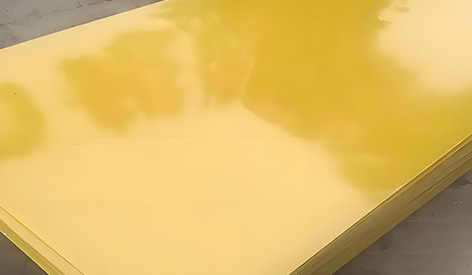
Fiberglass Insulation: The Cozy Blanket for Your House
Have you ever been in an attic and seen fluffy, pink or yellow material stuffed between the wooden beams? That's fiberglass insulation.
It works just like a cozy blanket. In the winter, it traps heat inside your house so it doesn't escape outside. In the summer, it keeps the hot air outside from coming in. All those tiny glass fibers create millions of tiny air pockets, and air is a very good insulator. This helps your family save money on heating and air conditioning bills. (Important: This fluffy insulation is made of tiny glass bits, so it can itch if you touch it. Professionals always wear gloves and a mask when installing it.)
Rockwool vs. Fiberglass: A Battle of the Insulations
Another type of insulation you might hear about is called Rockwool. So, what's the difference?
Fiberglass Insulation is made from melted glass. It's usually less expensive, lighter, and more common.
Rockwool Insulation is made from melted rocks and recycled factory slag (a byproduct). It is denser and heavier, which makes it a little better at blocking sound and can withstand much higher heat.
So, choosing between them is like choosing a winter coat. Fiberglass is like a good, lightweight puffy jacket, while Rockwool is like a heavier, thick wool coat. Both keep you warm, but one might be better for a specific job.

Fiberglass Reinforced Plastic (FRP) Panels
This is just a fancy name for those strong, smooth walls you see in places that need to be super clean and easy to wipe down, like school bathrooms, hospital rooms, or the kitchen of a restaurant.
FRP panels are sheets made from that fiberglass-and-resin composite we talked about. They are fantastic because they are:
Strong and hard to dent.
Waterproof, so they won't get damaged by moisture.
Easy to clean—just wipe them down!
They are a tough, plastic-like wall covering that has fiberglass hidden inside to give it extra strength, just like rebar strengthens concrete.
In conclusion, fiberglass is a multifaceted material that continues to drive innovation across industries. From its basic composition to advanced composites and practical applications, it offers a blend of strength, versatility, and efficiency. Understanding its properties, such as in comparisons with Rockwool or uses in FRP panels, empowers professionals to make informed decisions. As technology advances, fiberglass is likely to evolve further, cementing its role in sustainable and high-performance solutions. Whether in insulation, composites, or reinforced products, its impact is undeniable, highlighting the importance of this remarkable material in modern engineering.

