


Imagine you have a piece of super cool Play-Doh. You can bend it, twist it, and shape it into anything—curvy shapes, pointy corners, even wavy lines! Now, what if I told you that grown-up engineers in factories can shape hard metal in a similar way? They use something super cool called flexible molding. It’s like giving metal a little magic to make it flexible!
What Are "Flexible Molds"?
Making Perfect Corners
Decorating Metal: Trims and Moldings
Let's Make Arches and Waves!
How Does It All Work? The Big Idea
What Are "Flexible Molds"?
Usually, to change the shape of metal, you need a super stiff mold—like a cookie cutter. But one cookie cutter can only make one shape. What if we had a magic mold? That’s where flexible molds come in! They aren’t hard like normal molds. Imagine using a soft, air-filled pillow that slowly pushes a sheet of metal into a perfect shape. This soft touch means one machine can make lots of different shapes without needing a brand-new mold every time. How cool is that?
Making Perfect Corners
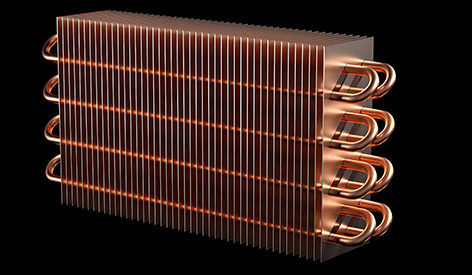
Have you ever tried folding a piece of paper to get a super sharp and clean corner? It’s tricky, right? Well, metal can be stubborn like that too. Making perfect bends is one of the trickiest parts of working with metal. That’s why we have flexible corner molding! Engineers use smart tools that can move and adjust to help the metal bend just right. Think about the smooth curved corners on a spaceship in a movie or the shiny edges of a tall building—this is how they do it!
Decorating Metal: Trims and Moldings
Now, let's talk about decorating metal—like adding fancy icing edges to a cake! These decorations are called flexible trims and moldings. A long time ago, making each new design required a brand-new tool. That took a lot of time and money. But now, thanks to computer-controlled machines, one cool tool can make lots of different edges and designs! This includes flexible trim molding that protects the edges of things like robot toys, or flexible base molding that acts like a bumper at the bottom of walls. It's like having a magic decorator machine!
Let's Make Arches and Waves!
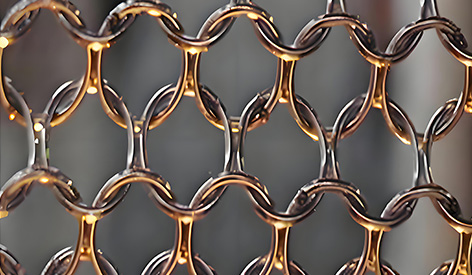
Some of the coolest shapes are curved—like a roller coaster track or the dome roof of a sports stadium. Making an outward curve (we call that flexible crown molding) or an inward curve (that's flexible cove molding) used to be really hard. It was like trying to make a ball shape with a flat cookie cutter! But with flexible molding, machines use a bed of tiny pins that move up and down to form a curved shape. Then—voilà!—a flat piece of metal becomes a beautiful arched or wavy shape.
How Does It All Work? The Big Idea
All this magic happens thanks to some really smart ideas that we call flexible molding concepts. It’s not just strong machines—it’s also clever computer brains. Engineers design everything on a computer first. The computer tests the shape to make sure it will work, just like a video game simulation. That way, when it’s time to shape the real metal, everything comes out perfectly the first time. This smart way of working means less waste and more cool metal shapes—from car parts to playground equipment!

