


When project volume targets hover around five hundred components, procurement teams frequently lock horns over a deceptively simple financial question: should we queue these units on an additive printer farm, or is it finally time to invest in a quick-turn metal bridge tool? Looking solely at the initial absence of mold setup fees can trick budget holders into assuming additive manufacturing always wins at mid-volume levels. However, calculating true operational expenses reveals a surprising financial tipping point. Analyzing whether is 3D printing cheaper than tooling for 500 parts requires exposing the hidden labor traps of printer support removal and calculating true machine run-time hours.
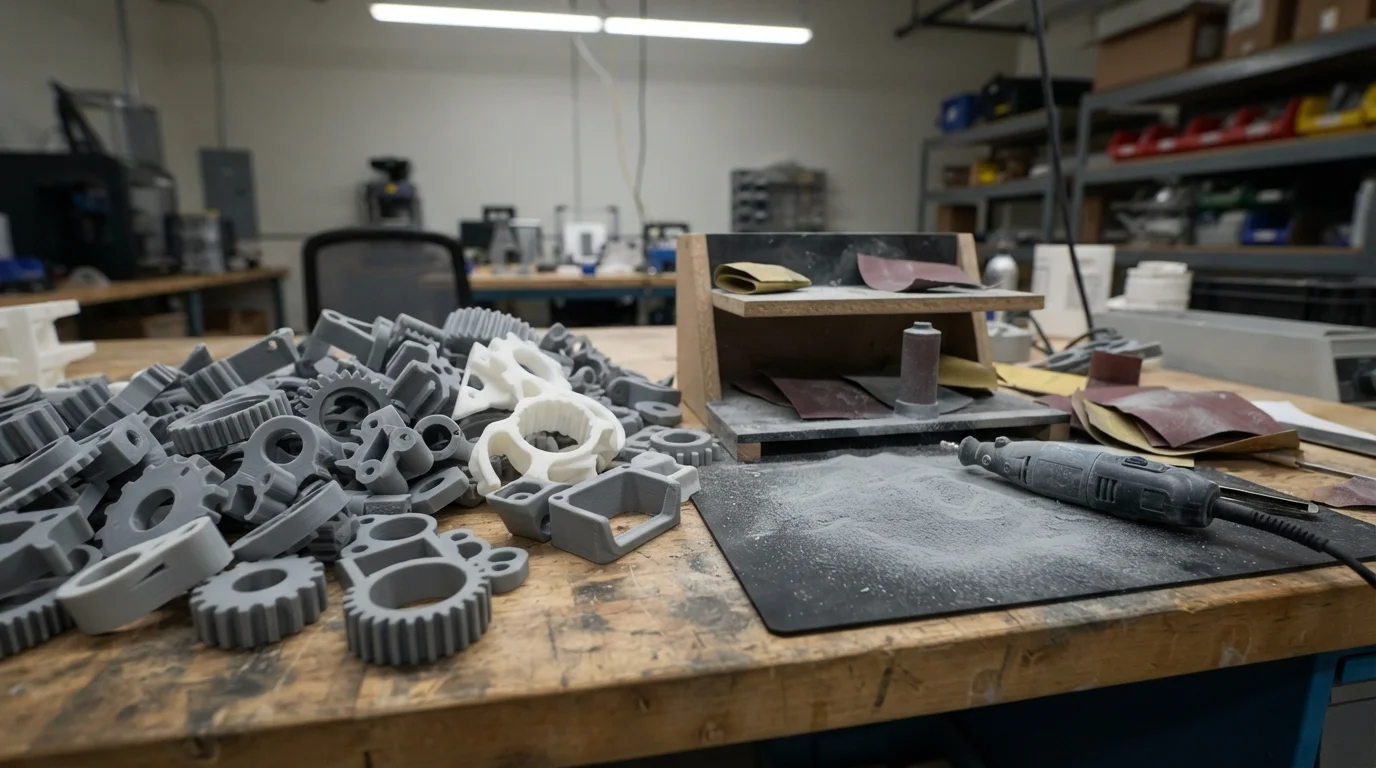
Table of Contents
1. Crunching the Numbers: Material Volume versus Machine Hours
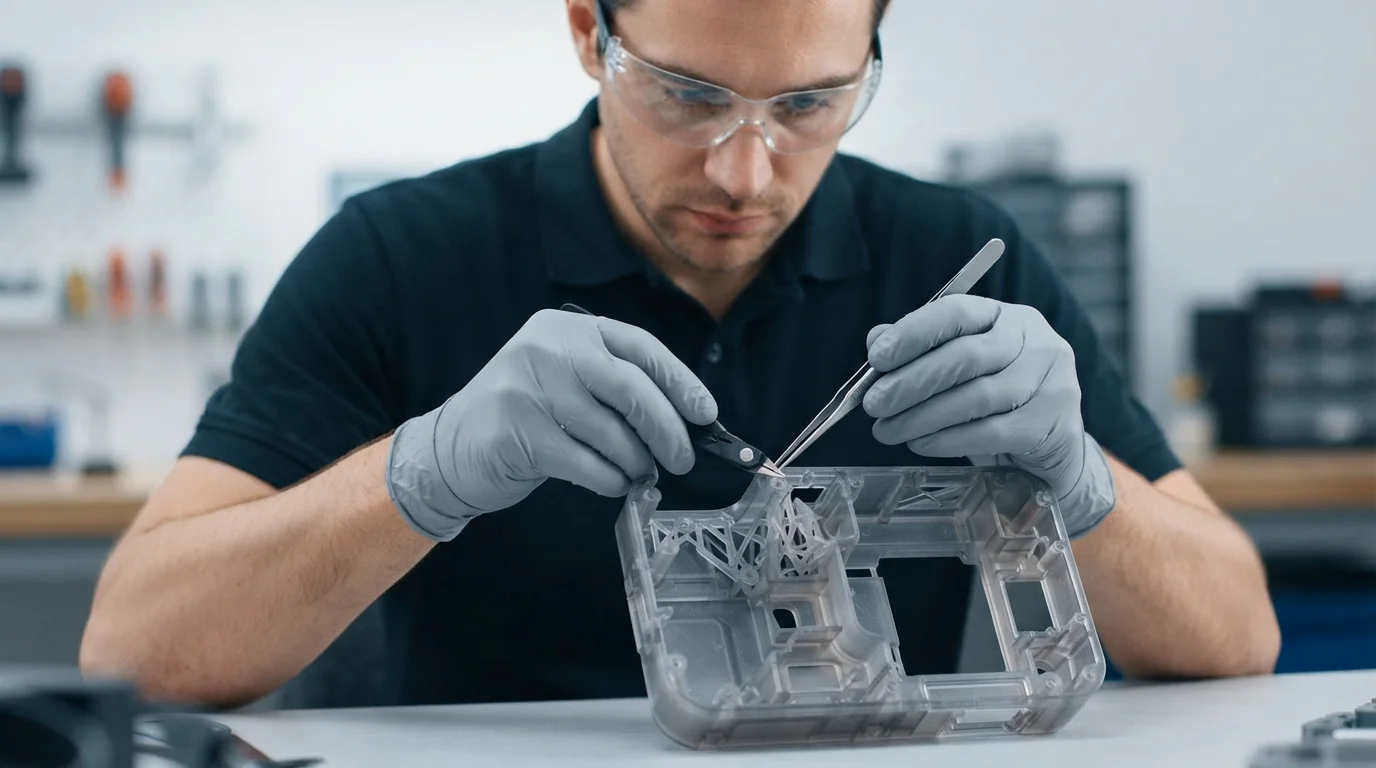
2. The Hidden Labor Cost of 3D Printing Support Removal and Sanding
3. Why 500 Parts is the Sweet Spot for Rapid Aluminum Tooling
Crunching the Numbers: Material Volume versus Machine Hours
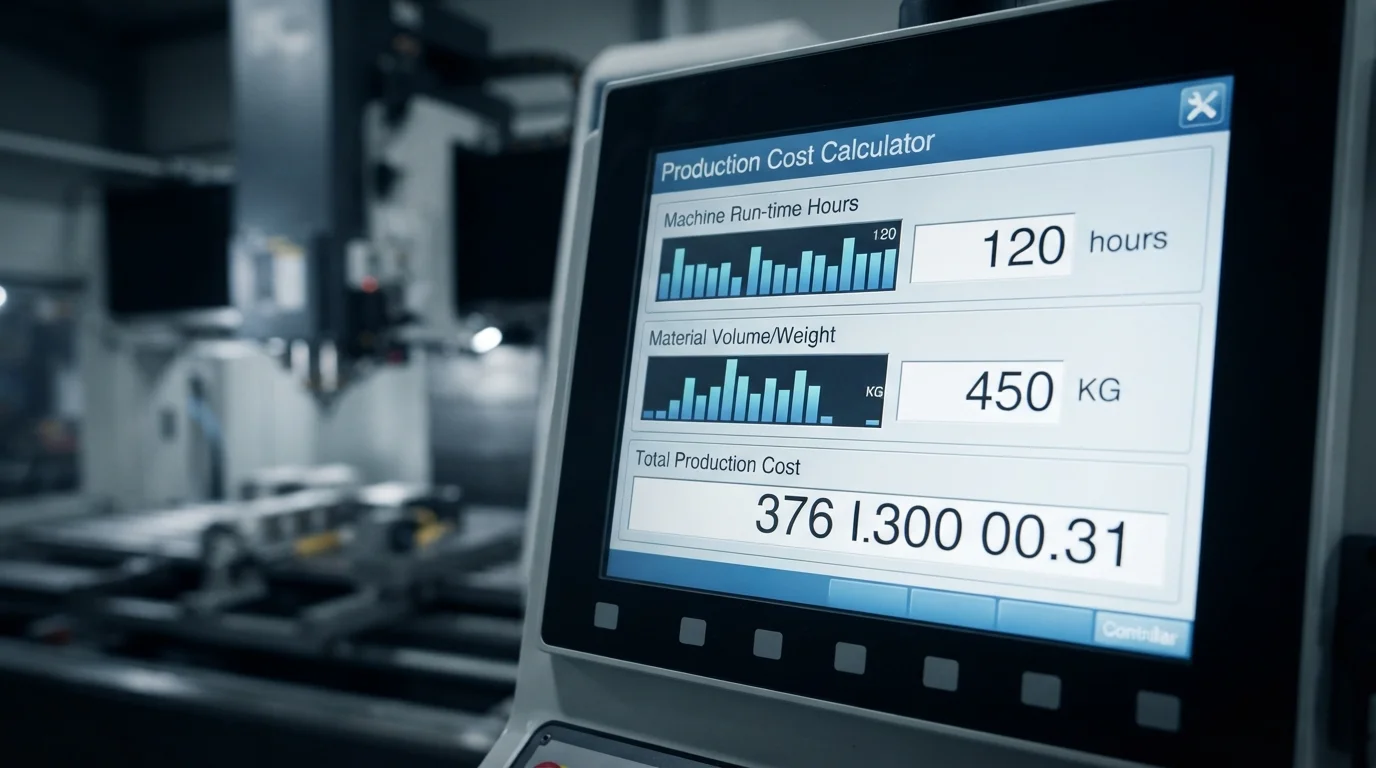
Additive manufacturing scales economically on a flat, linear slope because every individual build consumes a predictable amount of laser tracing time and liquid photopolymer or sintered powder. Scaling production to five hundred units on printers means multiplying build-tray queues dozens of times over. Conversely, cutting a modular aluminum or P20 steel rapid mold concentrates your financial investment into a single upfront toolroom setup window, after which marginal unit costs plummet due to automated press speed.
Comparing financial metrics across a 500-unit production run highlights clear economic boundaries:
| Financial Factor | Scaling 500 Parts via 3D Printing | Scaling 500 Parts via Rapid Tooling |
|---|---|---|
| Total Machine Build Time | Hundreds of cumulative laser tracing hours | Hours of tool cutting, seconds per injection cycle |
| Material Unit Expenses | High specialty photopolymer bottle pricing | Low bulk commercial thermoplastic pellets |
| Total 500-Unit Financial Yield | Stagnant high per-piece cost | Drastic cost reduction per unit produced |
Why 500 Parts is the Sweet Spot for Rapid Aluminum Tooling
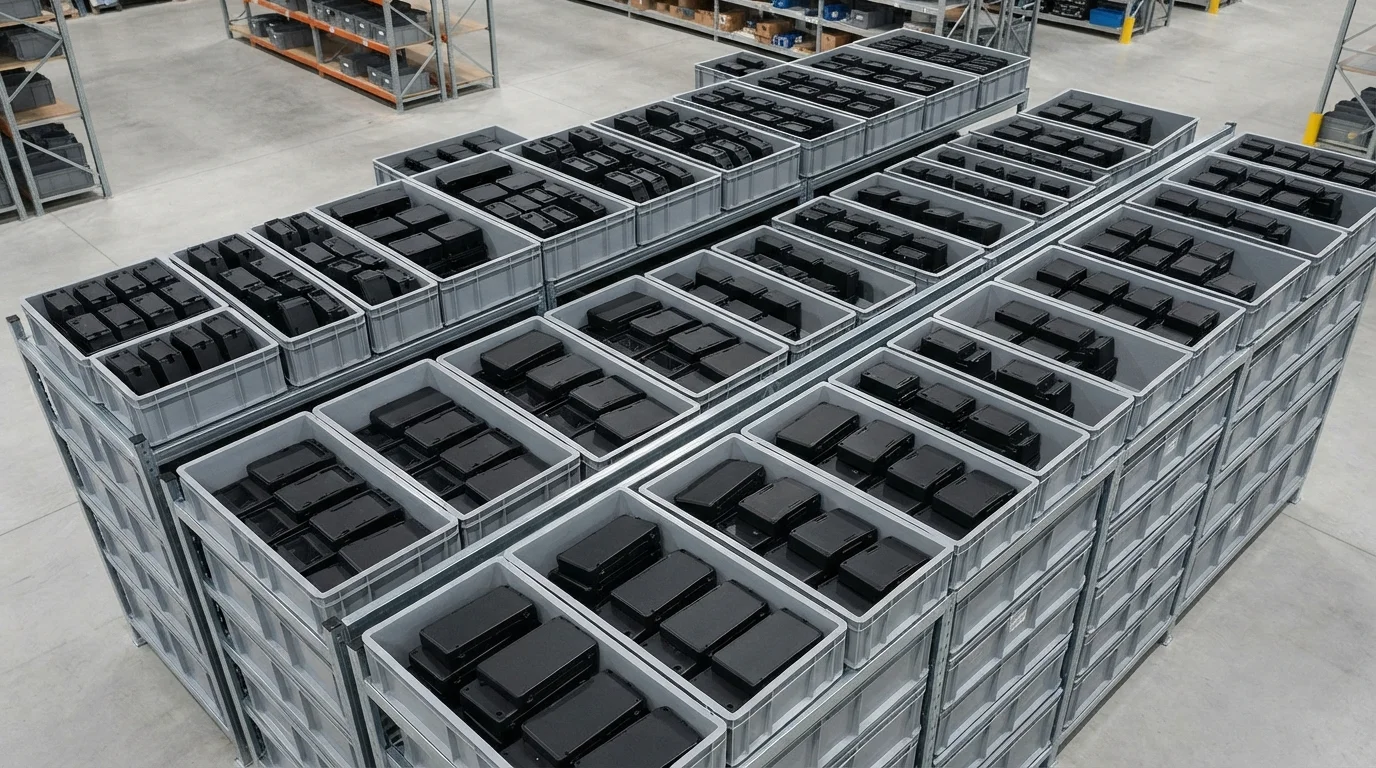
When your commercial roadmap targets a five-hundred-part pilot rollout, rapid aluminum bridge tooling hits the absolute economic sweet spot. It bypasses the crushing labor costs of additive finishing while avoiding the multi-week financial commitments of permanent production steel.
At Jucheng Precision, our manufacturing engineers evaluate your exact geometry and volume expectations through meticulous 24-hour free DFM reviews. Backed by an expansive shop floor featuring 150+ advanced CNC systems and 35+ specialized injection molding presses under strict ISO 9001 governance, we tailor cost-effective bridge tooling solutions that maximize your commercial budget. Get a Cost-Effective Quote for Your 500-Part Run from Jucheng Precision today and experience seamless pilot manufacturing.
Frequently Asked Questions (FAQ)

Is 3D printing cheaper than rapid tooling when producing 500 plastic parts?
For a 500-part run, rapid injection molding is almost always cheaper overall because bulk thermoplastic pellet pricing and automated press speeds quickly eliminate the massive cumulative labor and machine-hour costs of 3D printing.
What are the hidden labor expenses associated with scaling 3D printed batches?
Scaling printed parts requires extensive manual intervention to clip support structures, wash chemical residue, and hand-sand layer lines across hundreds of individual units, introducing severe wage overhead.
How can Jucheng Precision optimize the cost of a 500-part manufacturing run?
Jucheng Precision delivers 24-hour free DFM reviews, flexible rapid aluminum tooling options, and high-efficiency injection molding across 35+ dedicated presses to minimize your overall production outlays.

