


Rotational molding, often referred to as rotomolding, is a versatile and efficient plastic processing technique that has gained significant traction in various sectors. This method is particularly valued for its ability to produce seamless, hollow plastic products with uniform wall thickness, making it ideal for applications ranging from everyday consumer goods to specialized industrial components. Unlike other plastic forming processes, rotational molding involves a unique combination of heat, rotation, and cooling to achieve desired shapes. In this article, we will explore key aspects of rotational molding, including the process, materials, equipment, and industry applications, with a focus on its growing importance in fields like military use. By understanding these elements, manufacturers can leverage rotational molding to enhance product quality and innovation.
content:
Introduction to Rotational Molding
The Rotational Molding Process Explained
Essential Equipment: Molds and Machines
Materials: Compounds and Resins for Rotational Molding
Rotational Molding in Plastic Processing and Industry
Military Applications of Rotational Molded Plastics
Introduction to Rotational Molding
Rotational plastic molding is a manufacturing method that has evolved over decades to become a cornerstone of the plastic industry. It involves heating a plastic material inside a mold while rotating it biaxially, allowing the material to evenly coat the inner surfaces. This technique is renowned for its cost-effectiveness and flexibility in producing large, complex parts without seams or joints. Historically, rotational molding was primarily used for simple items like toys and storage tanks, but advancements have expanded its reach into high-performance areas. Today, it plays a critical role in sectors such as automotive, aerospace, and defense, thanks to its ability to handle a wide range of plastic resins and compounds. As we delve deeper, we'll see how this process integrates with modern plastic processing rotational molding demands to meet diverse market needs.
The Rotational Molding Process Explained
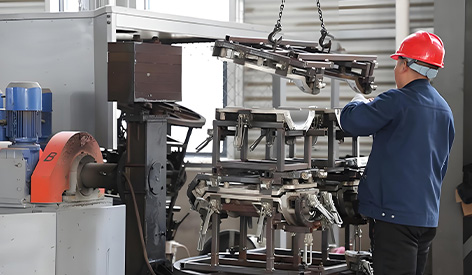
The rotational molding process is a multi-stage operation that begins with loading a predetermined amount of plastic material into a mold. This mold is then closed and subjected to heat in an oven while rotating slowly along two perpendicular axes. This rotation ensures that the plastic distributes evenly, forming a consistent layer on the mold's interior. After heating, the mold moves to a cooling station, where it is cooled by air or water to solidify the plastic into the final shape. Finally, the part is removed, and any necessary finishing touches are applied. One of the key advantages of this process is its ability to produce stress-free parts with minimal material waste, making it environmentally friendly. Additionally, the rotational molding process allows for intricate designs and customizations, which is why it's favored for applications requiring durability and precision, such as in the plastic industry rotational molding segments.
Essential Equipment: Molds and Machines
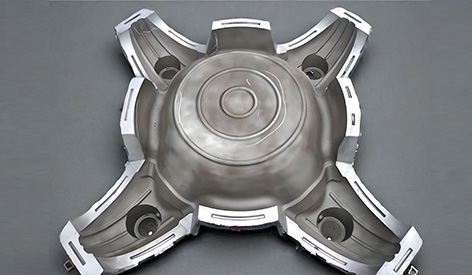
At the heart of rotational molding are the rotational molding mold and rotational molding machine, which work in tandem to achieve high-quality outputs. The rotational molding mold is typically crafted from aluminum or steel and is designed to withstand high temperatures and mechanical stress. These molds can be custom-made to produce everything from simple containers to complex geometries, and they often include features like vents to release gases during heating. On the other hand, the rotational molding machine comprises an oven, cooling chamber, and a rotating arm system. Modern machines are automated, allowing for precise control over temperature, rotation speed, and cycle times. This integration of molds and machines ensures efficient plastic processing rotational molding, reducing labor costs and increasing production rates. Innovations in this equipment have also enabled the use of advanced materials, such as rotational molding plastic compounds, which enhance product performance.
Materials: Compounds and Resins for Rotational Molding
The success of rotational molding heavily relies on the selection of appropriate materials, particularly plastic resins for rotational molding. Common resins include polyethylene, polypropylene, and nylon, which are chosen for their thermal stability, impact resistance, and ease of processing. These resins are often formulated into rotational molding plastic compounds that incorporate additives like UV stabilizers, flame retardants, or colorants to meet specific application requirements. For instance, in outdoor products, compounds with enhanced weatherability are used to prevent degradation. The versatility of these materials allows rotational plastic molding to adapt to various industries, from consumer goods to technical components. Moreover, ongoing research into bio-based and recycled resins is making rotational molding more sustainable, aligning with global trends in the plastic industry rotational molding toward eco-friendly practices.
Rotational Molding in Plastic Processing and Industry
Within the broader context of plastic processing rotational molding, this technique stands out for its scalability and adaptability. The plastic industry rotational molding has seen a surge in adoption due to its ability to produce large, durable items like tanks, bins, and automotive parts without the need for expensive tooling. This makes it a cost-effective solution for both low-volume and high-volume production runs. Furthermore, rotational molding supports just-in-time manufacturing, reducing inventory costs and lead times. As industries strive for lightweight and corrosion-resistant solutions, rotational molding fills a niche that other methods, such as injection molding, cannot easily replicate. This has led to its integration into supply chains across agriculture, healthcare, and entertainment, highlighting its role in driving innovation in the plastic sector.
Military Applications of Rotational Molded Plastics
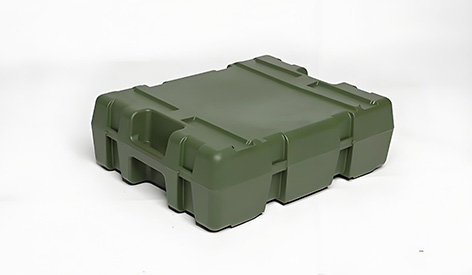
The rotational mold plastic military use represents a critical application area where durability, reliability, and customization are paramount. Military equipment often requires components that can endure harsh environments, including extreme temperatures, impact, and chemical exposure. Rotational molding excels in producing items such as protective casings, storage containers, and vehicle parts that meet these rigorous standards. For example, fuel tanks and communication housings made through rotational molding are lightweight yet robust, enhancing mobility and safety in field operations. The use of specialized rotational molding plastic compounds, such as those with ballistic resistance or EMI shielding properties, further extends its utility in defense. This alignment with military needs underscores how rotational molding contributes to national security while pushing the boundaries of plastic technology.
In conclusion, rotational molding is a fun and useful way to make plastic items that we see every day. From the simple rotational molding process to the cool tools and materials, it helps create everything from toys to military gear. The rotational mold plastic military use is just one example of how versatile it is.

