


Unlocking the ability to precisely shape metal is a key skill in metalworking, professional fabrication, and countless DIY projects.
The sheet metal bender is the essential tool for this task. It creates sharp, neat bends in sheet metal every time. Think of it as a super-strong folding machine that uses hinges and levers to turn flat metal into useful forms.
With a bender, you can create everything from sturdy brackets and boxes to decorative artwork. Learning to use one helps you build neat, professional-looking projects—whether you're in a large industrial workshop or your own garage.
Understanding Your Equipment
Types of Benders for Different Applications
Step-by-Step: How to Operate a Manual Bender
Best Practices and Pro-Tips
Understanding Your Equipment
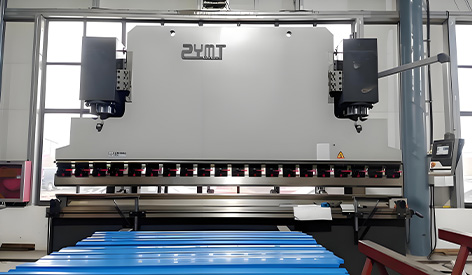
Before you make your first bend, it’s important to understand the tool you're using. People often use these names to mean the same thing, but "metal sheet bender tool" actually includes many different kinds of hand-held and table-top machines. This group includes press brakes, box-and-pan brakes, and even simple bending jigs.
These tools usually have three main parts: a flat base, a clamping beam that holds the metal in place, and a bending leaf that lifts to fold the metal.

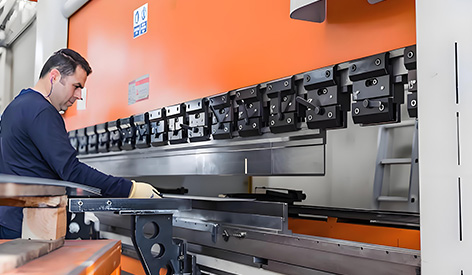
The kind of bender you use matters a lot. A press brake handles thick, heavy metal, while a finger brake is great for detailed and complex shapes. Each type has its own strengths and is suited for different kinds of projects.
For those looking to acquire their own equipment, a quick search for sheet metal bender for sale will reveal a vast market. Options range from brand-new, industrial-grade computerized machines costing tens of thousands of dollars to more affordable, manual bench presses perfect for small businesses. It's important to assess factors like bending capacity (gauge and length of metal), the type of bends needed, and available floor space before making a purchase.
Types of Benders for Different Applications
The world of bending isn't one-size-fits-all. Different projects demand different machinery. A sheet metal roller bender, or slip roller, is used for forming curves and cylinders rather than sharp angles. It typically features three rollers that progressively curve the metal as it is fed through. Conversely, a portable sheet metal bender is a godsend for contractors and installers who need to make adjustments or fabricate parts on a job site. These lightweight, often hand-operated tools provide crucial flexibility without the need for a stationary, heavy machine.
For hobbyists and those with space or budget constraints, a small sheet metal bender is an ideal entry point. These compact units are designed for light-gauge materials and shorter bend lengths, making them perfect for model building, electronics enclosures, and small repairs. For the ultimate in budget-friendly options, the market for a used sheet metal bender can be very attractive. While purchasing used requires careful inspection for wear on critical bending surfaces and alignment issues, it can provide access to a higher-quality machine at a fraction of the cost.
The innovative spirit of makers has also led to the creation of a homemade sheet metal bender. Constructed from heavy-duty steel hinges, angle iron, and robust hardware, these DIY solutions can be surprisingly effective for light-duty work. Following a well-designed set of plans for a diy sheet metal bender brake can be an incredibly rewarding project that results in a custom tool tailored to a specific need, all while keeping costs minimal.
Step-by-Step: How to Operate a Manual Bender
Safety First: Always don safety glasses and heavy-duty gloves. The edges of sheet metal can be extremely sharp, and metal chips can fly when clamping.
Calculate Bend Allowance: This is the most critical technical step. Metal stretches when bent. To achieve the correct final dimensions, you must calculate the bend deduction or setback. This involves using the material’s thickness, the bend angle, and the inside bend radius. Many online calculators and charts can simplify this process.
Mark Your Bend Line: Using a permanent marker or scribe, clearly mark the line on the metal where the bend will occur. This line should be aligned with the edge of the die (the V-shaped opening in the base) for the calculated setback.
Position the Material: Place the sheet metal on the bed of the bender, sliding it underneath the clamping beam. Precisely align your bend line with the edge of the die.
Secure the Workpiece: Lower the clamping beam handle firmly to lock the metal in place. Ensure it is held tightly across the entire length to prevent slipping, which would cause an inaccurate or wrinkled bend.
Execute the Bend: Slowly and steadily pull up on the bending leaf handle. Apply even force to rotate the leaf upward, folding the metal over the protruding edge of the die. Pull until you achieve the desired bend angle. Many benders have a graduated scale to help gauge the angle.
Release and Inspect: Release the clamping beam and remove your newly bent part. Check the angle with a protractor or angle finder and measure the final dimensions to ensure accuracy.
Best Practices and Pro-Tips
Consistent Pressure: When pulling the bending leaf, use smooth, consistent pressure. Jerky movements can lead to inconsistent bends across the length of the piece.
Test on Scrap: Always perform a test bend on a scrap piece of the same material and thickness to verify your calculations and machine settings.
Mind the Grain: Try to bend perpendicular to the material's grain direction (visible as lines in the metal) for a cleaner bend and to reduce the risk of cracking.
Tool Maintenance: Keep the tool clean and lubricate any pivot points according to the manufacturer’s instructions to ensure smooth operation and longevity.
Mastering the sheet metal bender opens up a world of fabrication possibilities. Pick the bender that fits your project best. You might choose a powerful store-bought model, a lightweight one you can carry around, or even build your own! Once you learn the basic skills, you’ll be able to create strong, precise, and professional-looking metal pieces with ease.

