


Teflon, a brand name for polytetrafluoroethylene (PTFE), has long been a cornerstone in industrial part applications due to its exceptional non-stick properties, chemical resistance, and thermal stability. From mechanical components like bearings and seals to automotive and aerospace parts, Teflon coatings reduce friction, prevent corrosion, and enhance durability. However, as industries evolve, the demand for specialized materials has led to a growing interest in alternatives that address specific operational challenges. This article delves into the role of Teflon in part applications, compares it with other materials, and explores innovative substitutes to help engineers and manufacturers make informed decisions. We will cover key topics such as Teflon alternatives, ceramic versus Teflon, PTFE versus silicone, nonstick coatings versus Teflon, alternatives to Teflon, PTFE coating spray, and the enduring relevance of Teflon itself.
content:
What is Teflon and Why Do We Use It?
Looking for Other Materials: Teflon Alternatives
Ceramic or Teflon: Which One is Better?
PTFE vs Silicone: A Simple Showdown
Nonstick vs Teflon: What's the Difference?
More Choices: Alternatives to Teflon
Spray-On Coatings: PTFE Coating Spray
Why Teflon is Still Important Today
What is Teflon and Why Do We Use It?
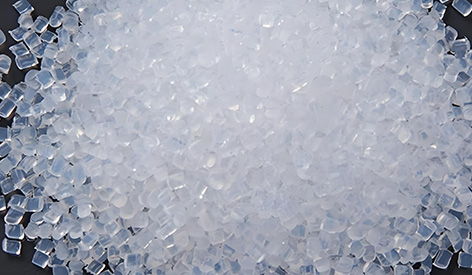
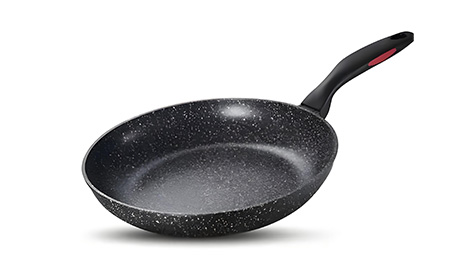
Have you ever seen a nonstick frying pan? That slippery coating that stops food from sticking is often made from a material called Teflon. But Teflon isn't just for pans—it's used in many machine parts too! Teflon is a special type of plastic that scientists call PTFE. It's great at reducing friction, which means it helps parts slide smoothly without rubbing together. It also resists heat, chemicals, and water. For example, in cars, Teflon coatings on engine parts prevent them from sticking, and in factories, it helps conveyor belts move easily. Think of it like a super-slippery shield that protects parts and makes them last longer. However, Teflon isn't perfect. It can wear out if used in very rough conditions, which is why people look for other materials sometimes.
Looking for Other Materials: Teflon Alternatives
Sometimes, Teflon might not be the best choice for a job. That's when we explore Teflon alternatives. These are other materials that can do similar things or even work better in certain situations. For instance, some coatings made from tough plastics like polyimide are used in airplanes or electronics because they handle heat really well. Another example is molybdenum disulfide, which is like a dry powder that reduces friction in heavy machines. People choose these Teflon alternatives when they need something cheaper, safer for the environment, or better for specific tasks, like parts in food machines that need to be extra clean. By testing different options, engineers can find the right coating to make parts work smoothly and last a long time.
Ceramic or Teflon: Which One is Better?
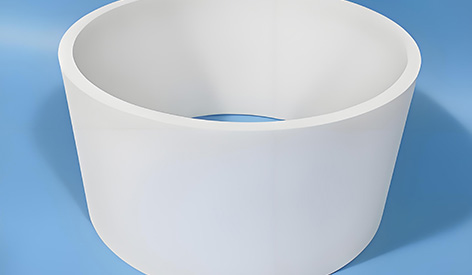
When we compare ceramic or Teflon, it's like choosing between a hard rock and a flexible rubber band. Ceramic coatings are made from materials like clay that are baked until they're super hard. They're great for parts that get scratched a lot, like pump pieces or cutting tools, because they don't wear down easily. On the other hand, Teflon is more flexible and better at stopping things from sticking, which is useful for molds in factories. Ceramic can handle much higher heat—up to 2000°F in some cases—but it might crack if hit hard. Teflon works well up to about 500°F but is softer. So, when deciding between ceramic or Teflon, it depends on whether you need something tough or something slippery for your parts.
PTFE vs Silicone: A Simple Showdown
In the world of coatings, PTFE vs silicone is a common debate. Remember, PTFE is the scientific name for Teflon. PTFE is awesome for making parts nonstick and chemical-proof, so it's often used in seals or gaskets that need to stay clean. Silicone, which you might know from baking mats or phone cases, is more stretchy and can handle vibrations and temperature changes better. For example, silicone is good for electrical parts that need to bend without breaking. PTFE works in a wider range of temperatures, but silicone is better at resisting sunlight and staying flexible. When picking between PTFE vs silicone, think about whether your part needs to be super slippery or if it needs to bounce back from squishing and stretching.
Nonstick vs Teflon: What's the Difference?
You might hear "nonstick" and think of Teflon right away, but nonstick vs Teflon isn't the same thing. Nonstick is a general word for any coating that stops things from sticking, while Teflon is one specific type. There are many nonstick options, like diamond-like carbon coatings that are super hard and durable, or new eco-friendly versions that don't use harmful chemicals. Teflon is still a top choice for its slipperiness, but other nonstick coatings might stick better to surfaces or be safer for the planet. For parts in medical devices or phones, these alternatives can offer extra benefits. So, when comparing nonstick vs Teflon, it's about finding the best fit for the job, not just using the most famous one.
More Choices: Alternatives to Teflon
As people care more about the Earth and making things last longer, they're finding cool alternatives to Teflon. For example, coatings made from thermoplastic polyurethane (TPU) are really tough and used in robot arms or farm equipment where parts get bumped a lot. Another idea is nano-coatings with tiny particles like graphene—they're so small you can't see them, but they make surfaces slippery and can even conduct electricity! These alternatives to Teflon help solve problems like wear and tear or pollution, and they're becoming popular in new gadgets and machines. By trying out these options, we can make parts that work better and are kinder to our world.
Spray-On Coatings: PTFE Coating Spray
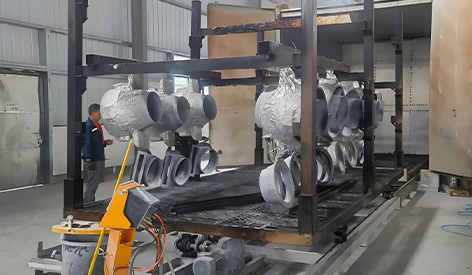
Have you ever used spray paint? Well, PTFE coating spray is like that but for adding a Teflon-like layer to parts. It's a quick and easy way to make surfaces nonstick and protected from rust. You can spray it on tricky shapes, like screws or tools, and it dries fast. In cars or planes, this spray helps parts like pistons or gears move smoothly, saving fuel and reducing repairs. The benefits of PTFE coating spray include low cost and the ability to cover hard-to-reach spots. But you have to clean the surface well first, or the coating might peel off. It's a handy tool for both big companies and DIY projects at home.
Why Teflon is Still Important Today
Even with all these new options, Teflon isn't going away. It's like a trusted friend in the world of machine parts. Scientists are making it even better by mixing it with materials like glass or bronze to make it stronger. Teflon works on many surfaces, from metal to plastic, and it's used in cool new things like 3D-printed parts or solar energy systems. As machines get smarter, Teflon adapts by teaming up with high-tech coatings that can monitor how parts are doing. So, while there are many alternatives to Teflon, its ability to reduce friction and resist chemicals keeps it useful in lots of applications.
In the end, Teflon and its alternatives give us lots of ways to make machine parts work better. By learning about options like ceramic, silicone, and new nonstick coatings, we can pick the right material for each task. Spray-on coatings make it easy to apply these solutions, and ongoing research means we'll have even more choices in the future. Whether we use Teflon or try something new, the goal is to create parts that are durable, efficient, and safe.

