


Teflon, a trademarked name for polytetrafluoroethylene (PTFE), is a high-performance fluoropolymer that has revolutionized numerous industries since its accidental discovery by DuPont in the 1930s. Renowned for its exceptional versatility, Teflon exhibits a unique combination of properties that make it indispensable in applications ranging from non-stick cookware to advanced aerospace components. This article delves into the key characteristics of Teflon, including its thermal, electrical, optical, and mechanical attributes, while exploring practical uses. By understanding these facets, engineers and designers can leverage Teflon's capabilities to innovate in demanding environments. We will cover aspects such as PTFE thermal conductivity, high-temperature stability, dielectric behavior, and more, providing a holistic view of this remarkable material.
content:
What is Teflon Made Of?
Teflon's Superhero Suit
Can Teflon Handle the Heat?
Teflon and Electricity: A Safe Friend
Can You See Through Teflon?
Teflon You Can Touch and Use
How Do We Use Teflon's Powers?
What is Teflon Made Of?
Imagine a long chain, where every link is a super strong carbon atom, and each carbon atom is holding onto two tiny, powerful fluorine atoms. This strong chain is what Teflon is like at a super tiny level, called its physical and chemical properties of Teflon. The fluorine atoms act like a tough shield, protecting the chain. This is why almost nothing can stick to Teflon, and why harsh chemicals like strong acids can't really hurt it. It's like a superhero suit for a plastic!
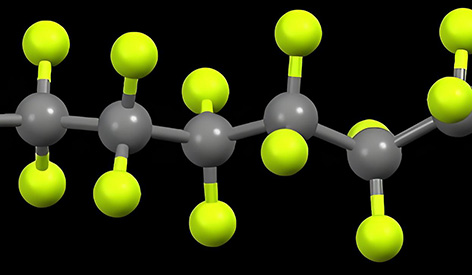
Teflon's Superhero Suit
Because of its strong, shielded structure, Teflon has some awesome Teflon plastic properties. It's super slippery, which is its famous non-stick property. It's also very tough and doesn't wear out easily. Think of a playground slide; the slippery surface lets you slide down fast. Teflon is like that, but even more slippery! This slipperiness and toughness are key parts of Teflon properties.
Can Teflon Handle the Heat?
Yes, it can! Teflon is a champion when it comes to dealing with high temperatures. This is why we call it a high temperature Teflon. Your kitchen oven might get up to 500 degrees Fahrenheit, and Teflon can handle that without melting! This heat resistance is a part of its PTFE thermal conductivity. Now, "thermal conductivity" is a fancy way of saying how well something moves heat. Teflon isn't a great heat mover—it's actually a good heat stopper, which makes it a great insulator. So, it can sit in a hot oven and protect the pan handle from getting too hot. Cool, right?
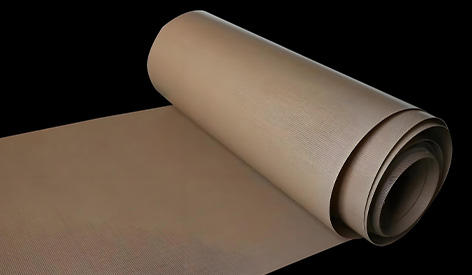
Teflon and Electricity: A Safe Friend
What about electricity? Teflon is an amazing insulator. This means electricity has a very hard time moving through it. These special powers are called Teflon dielectric properties. Because of this, Teflon is used to protect wires, especially in places that get very hot, like inside your computer or even in spacecraft. It keeps the electricity flowing safely along the wire without escaping and causing problems.
Can You See Through Teflon?
This one is tricky! Teflon optical properties are about how it deals with light. Pure Teflon can be a little see-through, like a cloudy piece of plastic, but usually, it's white and solid. It's very good at handling sunlight without getting damaged, so it's sometimes used outdoors. But its main job isn't to be a window; its main job is to be tough and slippery!
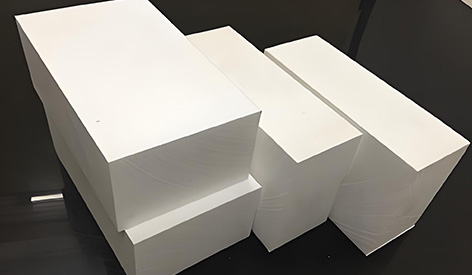
Teflon You Can Touch and Use
You can shape Teflon into lots of useful things. One common form is a Teflon sheet. The Teflon sheet properties are great for lining things. Imagine a bakery; they might use Teflon sheets to line their baking trays so the cookies don't stick. It's also used in factories to make sure sticky stuff, like glue, doesn't get stuck to the machines.
How Do We Use Teflon's Powers?
So, how do all these Teflon properties and uses come together? Let's think about some examples:
In Your Kitchen: The non-stick coating on pans uses Teflon's slipperiness and heat resistance.
In Your Home: The wire inside your hair dryer is probably insulated with Teflon so it doesn't get damaged by the heat.
In Sports: Did you know the non-stick coating on some snowboards and skis is Teflon? It helps them glide smoothly over the snow.
In Science: Scientists use Teflon containers because chemicals won't react with them.

In short, Teflon is an incredible material because it has a mix of superpowers. It's slippery, tough, can handle extreme heat, blocks electricity, and isn't bothered by chemicals. By understanding these Teflon properties, scientists and engineers can create all sorts of amazing things, from better cookware to safer cars and even technology for exploring space! It's a quiet superhero that helps make our lives easier and safer every day.

