


Reamers are precision cutting tools essential in machining and manufacturing processes, designed to refine and size pre-drilled holes to achieve tight tolerances and superior surface finishes. Unlike drills, which create holes, reamers enhance existing holes by removing minimal material, ensuring dimensional accuracy and smoothness. This process is critical in industries where component fit and function are paramount, such as aerospace, automotive, and heavy machinery. Reaming operations can significantly reduce rejection rates and improve product reliability. In this article, we will explore various aspects of reamers, including their types, materials, applications, sizes, and operational parameters, providing a comprehensive guide for engineers and machinists seeking to optimize their machining workflows.
content:
Types of Reamers
Reamer Materials
Reamer Applications
Reamer Sizes
Tapered Reamer
Barrel Reamers
Bridge Reamer
Reamer Speeds and Feeds
Types of Reamers
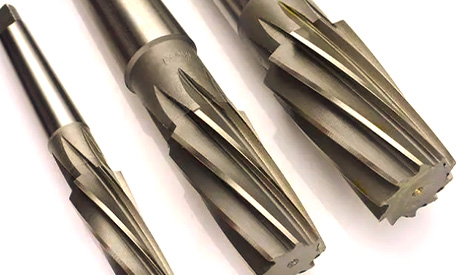
Reamers come in a variety of designs, each tailored to specific machining needs and hole configurations. Common types include hand reamers, which are operated manually and ideal for low-volume tasks, and machine reamers, used with drill presses or CNC machines for high-precision work. Adjustable reamers allow for minor diameter modifications, extending tool life and versatility. Other varieties include expansion reamers, which can be resized within a range, and shell reamers, often used for larger diameters. Additionally, specialized reamers like helical flute reamers excel in evacuating chips in blind holes, while straight flute reamers provide stability in through-hole applications. Understanding these types helps in selecting the right tool for materials ranging from soft metals to hardened steels, ensuring efficiency and accuracy in finishing operations.
Reamer Materials
The performance and durability of reamers heavily depend on the materials from which they are constructed. High-speed steel (HSS) is a popular choice due to its balance of toughness and cost-effectiveness, suitable for general-purpose reaming in materials like aluminum and mild steel. For more demanding applications, carbide-tipped or solid carbide reamers offer superior wear resistance and can handle abrasive materials such as cast iron or composites. Cobalt alloys are another option, providing enhanced heat resistance and longevity in high-temperature environments. Coatings like titanium nitride (TiN) or titanium aluminum nitride (AlTiN) can further improve hardness and reduce friction, extending tool life. Selecting the appropriate material is crucial for minimizing tool wear, reducing downtime, and maintaining consistent hole quality across production runs.
Reamer Applications
Reamers are employed across diverse industries to achieve precise hole tolerances and surface finishes. In automotive manufacturing, they are used for engine components, transmission parts, and brake systems, where exact fits are vital for performance and safety. The aerospace sector relies on reamers for assembling aircraft structures, landing gear, and turbine components, often working with tough alloys like titanium. In general machinery, reamers facilitate the production of bearings, shafts, and hydraulic systems. They are also integral in mold making and die casting, ensuring smooth ejector pin holes. Furthermore, reamers play a role in construction and infrastructure, such as in pipeline fitting and structural steel work, highlighting their versatility in both mass production and custom fabrication.
Reamer Sizes
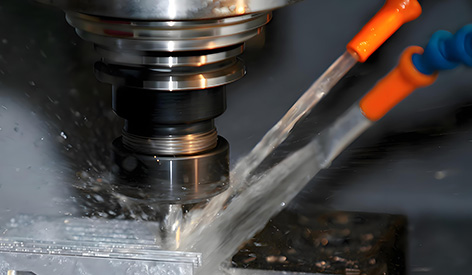
Reamer sizes are standardized to meet various industrial requirements, with dimensions typically specified in metric or imperial units. Standard sizes range from small diameters under 1 mm for intricate electronic components to large sizes exceeding 100 mm for heavy equipment. Tolerances are critical, often adhering to ISO or ANSI standards, such as H7 or H8 fits, which define the allowable deviation for interference or clearance fits. Custom sizes are also available for specialized applications, manufactured to precise specifications. When selecting a reamer size, factors like hole depth, material expansion, and intended fit must be considered to avoid issues like undersizing or oversizing. Proper size selection ensures compatibility with mating parts and reduces the need for secondary operations.
Tapered Reamer
A tapered reamer is designed to create or finish conical holes, which are common in applications requiring self-locking or sealing mechanisms. These reamers feature a gradual diameter increase along their length, producing tapers per standards like Morse tapers or Jacobs tapers. They are widely used in toolholding systems, such as in drill chucks and lathe centers, where a secure taper fit prevents slippage under load. In plumbing and piping, tapered reamers prepare holes for tapered plugs and fittings, ensuring leak-proof connections. The machining process with tapered reamers requires careful control to achieve the desired angle and surface finish, often involving multiple passes to avoid tool deflection and ensure accuracy in high-precision assemblies.

Barrel Reamers
Barrel reamers, also known as burnishing reamers, are specialized tools used for finishing large-diameter holes with exceptional surface quality. They typically feature a spherical or barrel-shaped cutting profile that minimizes contact area, reducing friction and heat generation. This design is ideal for applications in industries like energy and mining, where components such as cylinder liners or bearing housings demand smooth, round holes. Barrel reamers often incorporate multiple flutes and are made from durable materials like carbide to withstand the stresses of large-scale machining. Their ability to produce high-quality finishes in a single pass makes them efficient for high-volume production, though proper alignment and stable setups are essential to prevent inaccuracies.
Bridge Reamer
A bridge reamer is a robust tool specifically engineered for reaming holes in structural steelwork, such as bridges, buildings, and heavy frameworks. These reamers are characterized by their strength and ability to handle misaligned or irregular holes common in field assembly. They often feature a pilot section to guide the tool through existing holes, ensuring concentricity and alignment in bolted connections. Bridge reamers are typically made from tough materials like HSS or alloy steels to endure the rigors of on-site machining, where conditions may be less controlled. Their use is critical in ensuring the integrity of structural joints, as properly reamed holes facilitate the insertion of high-strength bolts, enhancing the safety and durability of constructed assets.
Reamer Speeds and Feeds
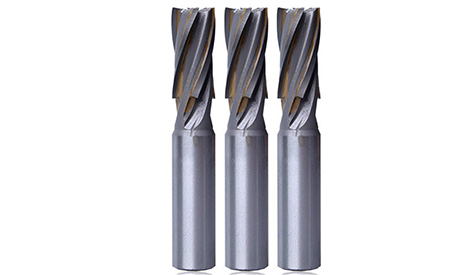
Optimizing reamer speeds and feeds is essential for achieving efficient cutting and prolonging tool life. Speed refers to the rotational velocity of the reamer, measured in surface feet per minute (SFM) or meters per minute, while feed rate indicates how quickly the tool advances into the workpiece. Generally, lower speeds and moderate feeds are recommended to prevent overheating and ensure a fine finish. For instance, in steel, speeds might range from 30 to 60 SFM, with feeds adjusted based on flute count and diameter. Using excessive speeds can lead to premature wear or chatter, whereas insufficient feeds may cause rubbing and poor surface quality. Lubrication and coolant play a key role in dissipating heat and evacuating chips. Machinists should consult manufacturer guidelines and conduct tests to fine-tune these parameters for specific materials and reamer types.
In conclusion, reamers are indispensable tools in precision machining, offering a range of types, materials, and sizes to suit various industrial needs. From tapered and barrel reamers to specialized bridge reamers, each variant addresses unique challenges in hole finishing. By understanding factors like applications, sizes, and operational speeds and feeds, professionals can enhance productivity and quality in their operations. As technology advances, reamers continue to evolve, incorporating new materials and designs to meet the demands of modern manufacturing, underscoring their enduring relevance in creating reliable, high-performance components.

