


Zinc is a versatile metal widely used in various industries due to its corrosion-resistant properties. However, confusion often arises about whether zinc and its derivatives, such as zinc-plated items or zinc alloys, can rust. In this article, we will explore the corrosion behavior of zinc in different forms, including screws, bolts, and coated materials. By understanding the science behind zinc's reactivity, you can make informed decisions for applications in construction, automotive, and manufacturing sectors. Let's dive into the specifics to clarify common questions like "will zinc rust?" and related queries.
content:
What Is Zinc and How Does It Behave?
What Is Zinc Plating and Can It Rust?
Do Zinc Alloys Rust?
How About Zinc-Plated Steel?
What About Screws, Bolts, and Coated Screws?
Is Yellow Zinc Different?
Comparing Different Types of Zinc
Tips to Keep Zinc from Rusting
What Is Zinc and How Does It Behave?
Zinc is a shiny, bluish-white metal that you might find in everyday items. It's special because it can protect itself from getting ruined by air and water. When zinc is out in the open, it reacts with oxygen and moisture to form a thin layer on its surface. This layer acts like a shield, kind of like a raincoat, that stops the zinc from breaking down quickly. So, if you ask, "will zinc rust?" the answer is no—zinc doesn't rust the way iron does. Rust is what happens to iron when it turns into iron oxide, but zinc just gets a white, powdery coating instead. This means zinc is great for keeping things safe from damage, especially in places where it might get wet.
What Is Zinc Plating and Can It Rust?
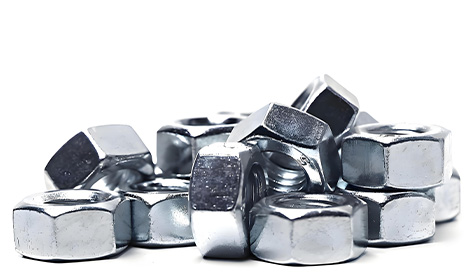
Zinc plating is when a thin layer of zinc is put on another metal, like steel or iron, to keep it from rusting. Think of it as painting a protective coat on a toy to prevent it from chipping. Now, when people wonder, "will zinc plated rust?" they're really asking about the metal underneath. If the zinc coating is strong and not scratched, it does a awesome job at stopping rust. But if the coating gets damaged, the metal inside can start to rust. Similarly, "will zinc plated metal rust?" depends on how well the plating holds up. In rainy or salty areas, the zinc might wear off faster, so it's important to check it sometimes to make sure it's still doing its job.
Do Zinc Alloys Rust?
Zinc alloys are made by mixing zinc with other metals, like aluminum or copper, to make them stronger and better for shaping into parts. You might find these in cars or toys. So, "will zinc alloy rust?" Well, it's pretty good at resisting rust, but it's not perfect. If the alloy is in a dry place, it can last a long time without problems. However, if it's in a very acidic or wet environment, it might corrode slowly. Corrosion is like when metal slowly wears away. So, while zinc alloys are tough, they still need a little care to stay in great shape.
How About Zinc-Plated Steel?
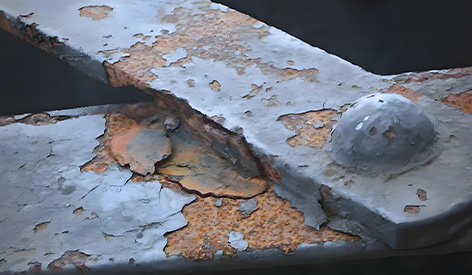
Zinc-plated steel is a common material used in buildings and tools because it's strong and protected. When someone says, "will zinc plated steel rust?" the answer is that it's designed not to rust, thanks to the zinc layer. Inside your house, it might stay looking new for years. But if it's outside near the ocean where there's lots of salt, the zinc coating could wear down, and the steel might rust. That's why people sometimes use extra-thick coatings for outdoor stuff. So, yes, zinc-plated steel can rust if the protection fails, but usually, it's a reliable choice.
What About Screws, Bolts, and Coated Screws?
Screws and bolts are often coated with zinc to keep them from rusting. If you have a question like, "will zinc screws rust?" or "will zinc bolts rust?" here's the deal: these items are protected by the zinc, so if they're used in dry places and not banged up, they should be fine. But if you use them outside in the rain or dirt, the coating might rub off, and then rust can form. The same goes for "will zinc coated screws rust?"—it all depends on how thick the coating is and where you use them. For example, if you're building something near water, you might need screws with extra protection to avoid rust.
Is Yellow Zinc Different?
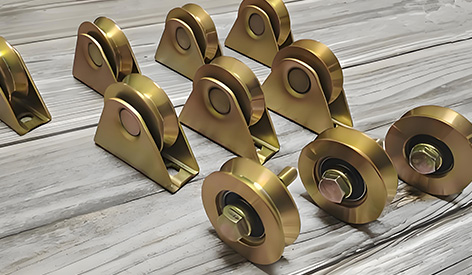
Yellow zinc is a type of zinc that has a yellow color because it's treated with a special chemical. This makes it even better at fighting rust! People often ask, "will yellow zinc rust?" and the good news is, it's super resistant. It's used in things like bike parts or car pieces because it can handle wet conditions well. The yellow coating adds an extra barrier, so it's like having a double shield. But if it's exposed to really harsh chemicals or sunlight for a long time, it might still get damaged. So, while it's tough, it's not invincible.
Comparing Different Types of Zinc
Let's put all this together! Pure zinc, zinc-plated items, zinc alloys, and yellow zinc all have different levels of rust resistance. Pure zinc doesn't rust but can corrode slowly. Zinc-plated things might rust if the coating is broken. Zinc alloys are strong but can wear down in bad conditions. Yellow zinc is one of the best at staying rust-free. Where you use them matters a lot—like, in a garden, zinc might last longer than near a pool with chlorine. By understanding these differences, you can pick the right type for your projects, whether it's for a school model or a backyard fort.
Tips to Keep Zinc from Rusting
Even though zinc is good at resisting rust, you can help it last even longer. Here are some easy tips:
Keep zinc items dry: Store them inside or in a covered area.
Check for scratches: If you see any damage, you can add a little paint or sealant to protect it.
Clean them gently: Use a soft cloth to wipe away dirt or moisture.
Choose the right type: For outdoor fun, go for thicker coatings or yellow zinc.
By following these steps, you can reduce the chance of rust and enjoy your zinc items for a long time.
In summary, zinc and its various forms—including pure zinc, zinc-plated metals, zinc alloys, and yellow zinc—generally resist rust due to their inherent protective mechanisms. However, they are not infallible; factors like coating integrity, environmental exposure, and material composition influence their longevity. By addressing questions like "will zinc rust?" and "will zinc screws rust?" we've highlighted that while zinc itself doesn't rust like iron, it can corrode or allow underlying metals to rust if compromised. For optimal performance, select the appropriate zinc variant for your needs, maintain it properly, and stay informed about industry advancements. This knowledge empowers professionals and enthusiasts alike to leverage zinc's advantages while minimizing corrosion-related issues.

