


Imagine a metal that's like a superhero—it's super strong, doesn't rust easily, and can be used in all sorts of tough places like in boats, chemical labs, and even hospitals. That's 316 stainless steel! It's a special type of metal that has something called molybdenum added to it. This makes it even better at fighting off rust and damage than other similar metals. In this article, we'll explore all the cool things that make 316 stainless steel so special—like how strong it is, how it handles super cold temperatures, and even if a magnet will stick to it!
content:
What is 316 Stainless Steel Made Of? (Chemical Properties)
How Strong is It? (Mechanical Properties)
Feel, Weight, and Heat (Physical Properties)
How Does It Act in Super Cold? (Cryogenic Properties)
Will a Magnet Stick to It? (Magnetic Properties)
What is 316 Stainless Steel Made Of? (Chemical Properties)
Just like a cake recipe, 316 stainless steel is made by mixing different metals together. It has:
Chromium (16-18%): This is like its forcefield. It helps the steel fight off rust.
Nickel (10-14%): This makes the steel tough and helps it stay flexible.
Molybdenum (2-3%): This is the special ingredient! It makes the steel strong against salty water and strong chemicals.
Low Carbon: Having less carbon means it's easier to weld without making it weak.
These special 316 stainless steel chemical properties mean it's perfect for things that need to stay strong and shiny, even near ocean water or cleaning chemicals.

How Strong is It? (Mechanical Properties)
When we talk about 316 stainless steel mechanical properties, we're really asking: "How hard can you push it before it breaks?"
Strength: It's very strong and can handle a lot of weight or pressure. Think of it like a sturdy backpack that can carry heavy books without tearing.
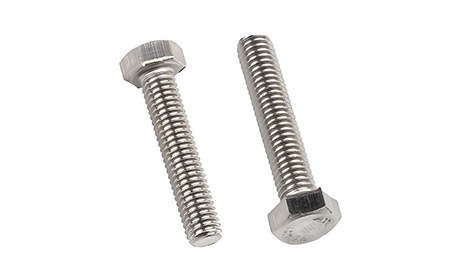
Yield Strength: This is the point where the metal stops "bouncing back" and starts to stay bent. The 316 stainless steel properties yield strength is high, meaning you have to push really hard to permanently bend it. This is why it's used for heavy-duty screws and parts of machines.
Stretchiness: It's also a little bit stretchy! This means it can be bent and shaped into different forms without snapping. This combination of strength and flexibility is what people mean when they talk about aisi 316 stainless steel mechanical properties.
Feel, Weight, and Heat (Physical Properties)
The 316 stainless steel physical properties describe what the metal is like in everyday terms.
Weight: It's pretty heavy, but not the heaviest metal out there. Its density is about 8 times heavier than the same cup full of water.
Melting Point: It has a very high melting point—it won't melt until it gets hotter than 2500°F (1370°C)! That's way hotter than a pizza oven.
Heat & Electricity: It doesn't let heat or electricity pass through it very easily. This is good for making handles on pots or boxes for electrical equipment.
How Does It Act in Super Cold? (Cryogenic Properties)
The 316 stainless steel cryogenic properties are all about how it behaves in freezing temperatures. "Cryogenic" is a fancy word for "super duper cold," like the temperature of liquid nitrogen.
While some metals, like a peanut butter jar from the fridge, can become brittle and crack in the cold, 316 stainless steel does not. It stays just as tough and flexible, even down to -320°F (-196°C)! This makes it a great choice for holding liquid gases or for use in space exploration. This is one of the most impressive stainless steel material properties 316 has.
Will a Magnet Stick to It? (Magnetic Properties)
Let's talk about the 316 stainless steel magnetic properties. If you hold a regular fridge magnet to it, it usually won't stick. This is because of its special internal structure.
However, if you bend it or scratch it a lot, it might become a little bit magnetic in that one spot. But overall, it's known as a "non-magnetic" metal. This is useful for things like MRI machines in hospitals, where you don't want any metal sticking to the machine.
So, as you can see, the 316 stainless steel properties make it a real superstar metal. It doesn't rust easily, it's very strong, it can be used in freezing temperatures, and magnets usually don't stick to it.
Because of all these amazing qualities, it's used to make everything from parts for a ship to medical tools and even some jewelry! Engineers and scientists love using it because they can trust it to be strong and last a long time. It's a perfect example of how mixing different metals together can create a material that's perfect for so many important jobs.

