


Stainless steel is a versatile material widely used across various industries due to its corrosion resistance and durability. Among its many grades, 316 stainless steel stands out as a premium austenitic alloy known for its exceptional performance in challenging environments. This article delves into the key aspects of 316 stainless steel, covering its material characteristics, properties, composition, comparisons with other grades, and specific applications like springs and screws. By exploring these topics, we aim to provide a detailed technical understanding that aids engineers, designers, and manufacturers in selecting the right material for their projects. With its superior attributes, 316 stainless steel continues to be a top choice for critical applications in marine, chemical, and medical fields, among others.
content:
What Is 316 Stainless Steel?
A Simple Look at 316 Stainless Steel Material
Cool Properties of 316 Stainless Steel
What 316 Stainless Steel Is Made Of
Comparing 304 and 316 Stainless Steel
Why 316 Stainless Steel Is Good for Springs
Rules for 316 Stainless Steel Material
How 316 Stainless Steel Screws Are Used
What Is 316 Stainless Steel?
316 stainless steel is a kind of metal that is great at fighting rust and staying strong in wet or salty places. People often call it "marine-grade" because it's used a lot in boats and ocean buildings. It doesn't get weak easily, even when it's very hot or cold. This makes it perfect for many jobs, from making hospital tools to building big structures. Think of it as a superhero metal that protects itself from damage! It's also easy to shape into different forms, so engineers and builders love using it for all sorts of projects.
A Simple Look at 316 Stainless Steel Material
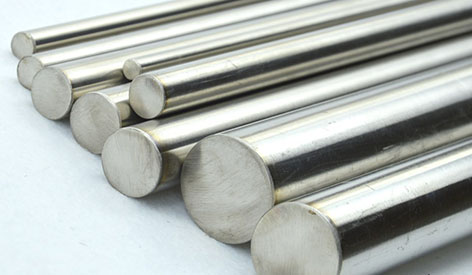
When we talk about 316 stainless steel material, we mean the stuff that makes up this metal. It has chromium, nickel, and molybdenum mixed in with iron. These ingredients help it resist rust and stay shiny. You can find it as sheets, rods, or tubes, and it's not magnetic, which means it won't stick to magnets. This material is simple to cut, bend, and316 stainless steel properties weld, so people can make all kinds of things from it. Because it looks nice and doesn't get dirty easily, it's used in products like kitchen sinks or outdoor signs. It's like a tough, pretty metal that lasts a long time without much care.
Cool Properties of 316 Stainless Steel
The 316 stainless steel properties are what make it so special. First, it's very strong—it can handle a lot of force without breaking or bending. If you pull on it, it stretches a little but doesn't snap. It's also great at fighting rust, especially in salty water or acids, thanks to the molybdenum inside. Another fun fact is that it works well in hot places, like ovens or engines, without getting weak. Plus, it's flexible, so you can shape it into curves or springs. These properties make it reliable for tough jobs, like in chemical factories or on ships where other metals might rust away.
What 316 Stainless Steel Is Made Of
The 316 stainless steel composition is like a recipe with specific ingredients. Most of it is iron, but it has about 16-18% chromium, 10-14% nickel, and 2-3% molybdenum. Chromium forms a shield that stops rust, nickel makes it easy to bend and tough, and molybdenum adds extra protection against corrosion. There are also tiny amounts of other elements, but not too much carbon, so it doesn't get brittle when heated. This mix is why 316 stainless steel is so durable and perfect for places where metals often get damaged, like in wet environments.
Comparing 304 and 316 Stainless Steel
When we look at 304 vs 316 stainless steel, it's like comparing two similar but different metals. Both are types of stainless steel, but 316 has molybdenum, which 304 doesn't. This means 316 is better at resisting rust in salty or acidic places, like beaches or factories. 304 is cheaper and used for everyday things like pots or sinks inside homes. But if you need something for outdoors or near water, 316 is the winner because it lasts longer. They're both strong, but 316 is like the upgraded version for harder jobs, making it a smart choice for important projects.
Why 316 Stainless Steel Is Good for Springs
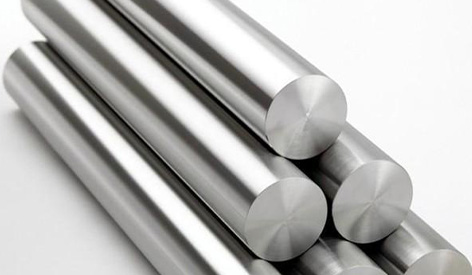
As a 316 stainless steel spring material, this metal is awesome because it can bounce back again and again without wearing out. Springs made from it are used in places where rust is a problem, like on boats, in medical devices, or in food machines. They stay flexible and strong, even if they're bent many times. Also, since it's not magnetic, it won't interfere with electronics, which is handy for gadgets. People pick this material for springs because it keeps working well for a long time, saving money on repairs.
Rules for 316 Stainless Steel Material
The material specification for 316 stainless steel is a set of rules that make sure this metal is always high quality. Groups like ASTM create these rules, which say how much chromium, nickel, and molybdenum it must have. For example, it needs at least 16% chromium and 2% molybdenum. These specs help builders and engineers know it's safe to use in buildings, cars, or other important things. By following these rules, companies can trust that 316 stainless steel will do its job without failing, which keeps everyone safe.
How 316 Stainless Steel Screws Are Used
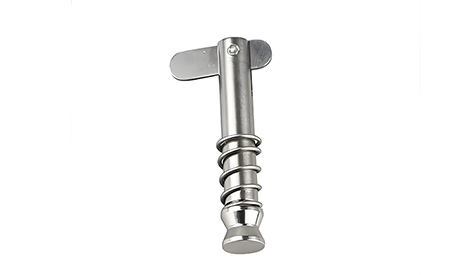
316 stainless steel screws are special screws that don't rust easily, so they're perfect for outdoor or wet places. You might see them on docks, in pools, or on playground equipment. They hold things together tightly and stay strong for years, unlike regular screws that can corrode and break. These screws come in many sizes and types, like for wood or metal, and they're often used in hospitals or kitchens because they're easy to clean. By using 316 stainless steel screws, people can build things that last longer and need less fixing.
In summary, 316 stainless steel is a robust and versatile material that excels in demanding applications due to its superior corrosion resistance, strength, and composition. From its use in springs and screws to its advantages over 304 stainless steel, this alloy offers reliable performance across multiple industries. By adhering to material specifications and understanding its properties, professionals can make informed decisions to optimize their projects. As technology advances, 316 stainless steel continues to evolve, meeting the growing needs for sustainability and efficiency. Embracing this material can lead to longer-lasting products and reduced environmental impact, solidifying its role as a cornerstone in modern engineering and design.

