


Have you ever looked up at an airplane flying high in the sky and wondered how it was made? Building things that fly, like airplanes and rockets, is a super-precise job called aerospace manufacturing technology. It's all about designing, building, and testing every single part to make sure it is safe, strong, and reliable. These machines face extreme conditions, from freezing cold to intense heat, so everything has to be made perfectly. This special kind of manufacturing mixes old-school skills with amazing new technology to help us explore the skies and space!
The Main Ways to Build Flying Machines
How Can You Work in This Cool Field?
The Main Ways to Build Flying Machines
Building a flying machine isn't just one big job. It's a bunch of smaller jobs that fit together like a puzzle. Let's look at some of the most important ways experts build these incredible machines.
1. Shaping the Metal Skin: Aerospace Sheet Metal Fabrication
Think of the shiny outer body of an airplane. That’s often made from huge, flat sheets of metal. Aerospace sheet metal fabrication is the process of cutting, bending, and shaping these metal sheets into parts like the wings and body. Workers use strong but lightweight metals like aluminum and titanium. They use computer-guided machines to cut the metal with laser-like precision and bend it into perfect curves. A very important job is drilling tiny holes for rivets (which are like super-strong metal staples) to hold the pieces together. If the metal skin isn't smooth and strong, the plane wouldn't be aerodynamic or safe to fly.
2. Printing Parts Like a Super-Advanced Printer: 3D Aerospace Printing
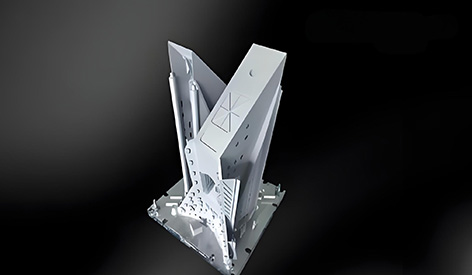
This is one of the coolest new technologies! 3D aerospace printing, officially called additive manufacturing, is like a fancy printer that builds solid objects layer by layer, out of plastic or metal powder. Instead of starting with a big block of metal and cutting away the extra stuff, a 3D printer adds material only where it's needed. This is awesome for making super-complicated parts, like a fuel nozzle with tiny, twisting channels inside that help cool it down. This method is great because it wastes less material and can create shapes that are impossible to make any other way. They even use 3D-printed parts in real rockets and airplanes today!
3. Making Metal Super Strong: Aerospace Heat Treatment
How do you make metal strong enough to handle the powerful forces of flight? You treat it with heat! Aerospace heat treatment is a lot like baking, but for metal. Parts are heated up in special ovens to very specific temperatures and then cooled down in a controlled way. This process changes the metal's internal structure, making it much stronger and more flexible. For example, the landing gear of a plane has to be incredibly tough to handle the impact of landing. Heat treatment gives it that superhero strength without changing its shape.
4. Making Parts by Melting: Aerospace Parts Casting
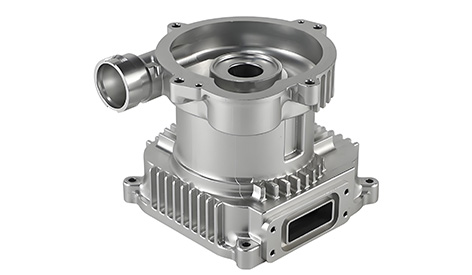
What if you need to make a part with a really complex shape, like a turbine blade inside a jet engine? Aerospace parts casting is a method similar to making a sculpture with a mold. One popular way is called investment casting. First, a model of the part is made from wax. Then, the wax model is covered in a ceramic material to make a mold. The wax is melted out, leaving a hollow mold. Next, molten (melted) metal is poured into the mold. Once the metal cools and hardens, the ceramic mold is broken away, revealing the finished metal part. It’s a fantastic way to create detailed shapes without a lot of extra work.
5. Building with Super-Strong Plastics: Manufacturing Technology for Aerospace Structural Materials
To make planes lighter and use less fuel, engineers are using amazing new materials. A lot of modern planes are now made from advanced materials like carbon-fiber composites. These composites are made from strong threads of carbon that are stuck together with a special glue (called resin). Making parts from these materials is high-tech. Robots are often used to lay down the carbon fiber tapes in exact patterns onto a mold. The part is then baked in a giant oven called an autoclave, which uses heat and pressure to make the material incredibly strong and stiff. This is a big change from just using metal!
6. Making Surfaces Super Smooth: Plasma Polishing Aerospace Manufacturing Technology
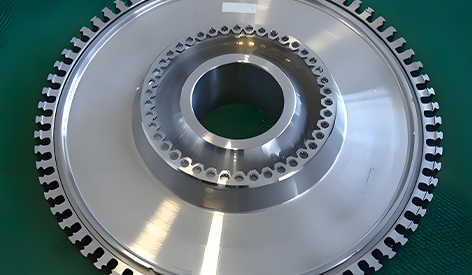
Imagine the surface of a part being as smooth as a mirror. That’s important in aerospace because a smooth surface helps air flow better and makes the part last longer. Plasma polishing aerospace manufacturing technology is a super-modern way to polish metal parts. The part is placed in a special solution, and a low-energy plasma (a bit like a tiny lightning bolt) is created around it. This plasma gently and evenly melts away the tiniest bumps on the metal's surface, making it incredibly smooth. It’s great for polishing complicated parts with nooks and crannies that would be hard to reach by hand.
How Can You Work in This Cool Field?
If you think this sounds like a fun job, you might wonder how to get started. To get a job in this field, your resume (a list of your skills and experience) would need to show that you are good with your hands and understand technology. You would need to learn about tools, computers that control machines, and how to measure things very precisely. Most importantly, you need to show that you care a lot about making things perfect and safe.
So, building airplanes and rockets is like a symphony of different skills and technologies all working together. It uses old methods, like shaping metal sheets, and amazing new ones, like 3D printing. Each step, from heat-treating metal to polishing it smooth, is crucial for making a machine that can fly safely. As technology gets better, the ways we build these flying machines will get even more awesome!

