


Imagine building something huge that can fly through the air or even shoot up into space. That's what aerospace manufacturing is all about! It's the process of designing and building airplanes, spacecraft, satellites, and all their parts. This isn't like building a toy; it requires super precision, super strong materials, and lots of smart technology to make sure everything is safe and works perfectly.
What Exactly is Aerospace Manufacturing?
Cool Tech in Aerospace Manufacturing
Shaping Metal Skins: Aerospace Sheet Metal Fabrication
Building Layer by Layer: 3D Aerospace Printing
Making All the Little Pieces: Aerospace Parts Manufacturing
Team Effort: The Manufacturing Aerospace Industry
Why Being Precise is Super Important
Making Metal Super Strong: Aerospace Heat Treatment
What Exactly is Aerospace Manufacturing?
Think of it like a giant, super-organized workshop. It's the entire journey of creating a flying machine, from the first drawing to the final test flight. Engineers first design everything on powerful computers, testing their ideas in simulations. Then, they choose the best materials—like special metals that are strong but light—to build with. Every single part has to be made carefully and checked and double-checked for mistakes because safety is the most important thing. This industry is always trying new things to make travel faster, safer, and better for our planet.
Cool Tech in Aerospace Manufacturing
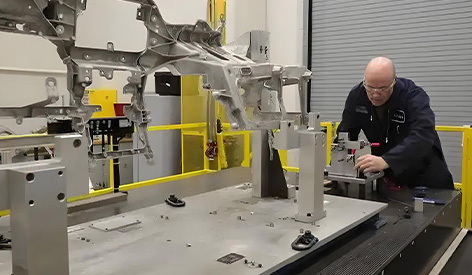
Aerospace manufacturing technology is a huge helper in this field! Engineers use advanced computer programs to design parts in 3D before building them, kind of like how you might design something in a video game. Robots are often used on the assembly line to put parts together with perfect accuracy. There are even sensors on machines that can tell a worker if something is about to go wrong. All this tech helps people build amazing things more quickly and safely.
Shaping Metal Skins: Aerospace Sheet Metal Fabrication
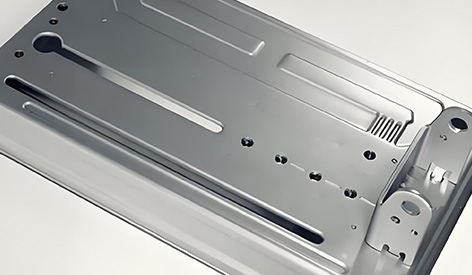
This is a classic way to build the "body" of an airplane, like its outer shell or wings. It involves taking flat sheets of strong metal (like aluminum or titanium) and bending and shaping them into the right curves. They use computer-controlled machines to cut and fold the metal with incredible precision. It's a bit like using a super-precise cookie cutter and origami on super-tough metal! Skilled workers then fasten these large pieces together with rivets (like special, super-strong bolts) to form the plane's body.
Building Layer by Layer: 3D Aerospace Printing
This is one of the coolest new technologies! Also known as 3D printing, it allows engineers to create parts by building them up one tiny layer at a time, just like printing a picture with many layers of ink. A computer file guides the printer to create complex shapes that are often impossible to make with traditional tools. The best part? It can make parts that are lighter and stronger, and it creates much less waste. Companies even use it to make spare parts for rockets and satellites quickly!
Making All the Little Pieces: Aerospace Parts Manufacturing
A plane or rocket is made of thousands of parts, big and small. This part of manufacturing focuses on creating all those individual pieces—from the tiny bolts and wires to the big landing gear. Different parts are made in different ways. Some are carved out of a solid block of metal, while others are poured into molds. Each part must be perfect because it has a special job to do, like helping the plane turn or withstand the heat of an engine.
Team Effort: The Manufacturing Aerospace Industry
Building a spacecraft isn't something one company can do alone. It's a huge global team effort! Big companies work with hundreds of smaller companies that specialize in making specific parts. Everyone has to work together and follow very strict safety rules set by governments. This industry is also working hard to be more environmentally friendly by creating planes that use less fuel and make less pollution.
Why Being Precise is Super Important
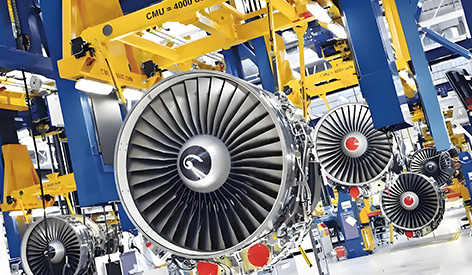
In aerospace manufacturing, being "close enough" is never good enough. Everything has to be EXACT. We're talking about measurements thinner than a human hair! This super-precise work is called precise aerospace manufacturing. Why does it matter? If parts fit together perfectly, the plane is safer, uses less fuel, and lasts longer. They use laser scanners and other amazing tools to measure everything and make sure it’s just right.
Making Metal Super Strong: Aerospace Heat Treatment
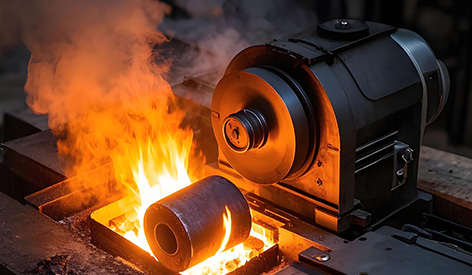
This is a secret step that makes metal parts extra strong and durable. Aerospace heat treatment is basically like baking the metal parts in a special oven, but with very careful control of the temperature. Just like baking a cake changes the batter, heating and then cooling the metal in a specific way changes its internal structure, making it much tougher. This is crucial for parts like the landing gear that have to handle a lot of force when a plane lands.
In short, aerospace manufacturing is an amazing mix of art, science, and engineering. It uses everything from traditional metal-shaping to futuristic 3D printing to build the incredible machines that help us explore our world and beyond.

