


Aluminum is a versatile and widely used metal in industries ranging from automotive to aerospace, thanks to its lightweight properties and corrosion resistance. However, working with aluminum often requires precise finishing techniques to achieve desired surface qualities. Sanding aluminum is a critical process that involves using abrasives to smooth, shape, or prepare the metal for further treatment.
Introduction to Aluminum Sanding
Can You Sand Aluminum?
Using Aluminum Oxide Sanding Paper
Sanding Aluminum Wheels
Aluminum Oxide Sanding Techniques
Aluminum Sanding Block
Sanding Aluminum for Polishing
Wet Sanding Aluminum
Sand Blasted Aluminum
Introduction to Aluminum Sanding
Aluminum sanding is a fundamental abrasive process used to refine the surface of aluminum materials. Unlike harder metals, aluminum is relatively soft, which makes it prone to scratches and imperfections if not handled correctly. Sanding helps remove oxidation, burrs, or old coatings, creating a smooth base for painting, polishing, or anodizing.
This process can be performed manually or with power tools, depending on the project scale. For instance, in automotive repair, sanding aluminum panels restores their appearance, while in manufacturing, it ensures components meet precise tolerances.
Proper technique is crucial to avoid embedding abrasive particles into the metal, which could lead to corrosion. By using the right grit sequence—starting with coarser abrasives and progressing to finer ones—you can achieve a uniform finish without compromising the material's integrity.

Can You Sand Aluminum?
A common question among beginners is, "Can you sand aluminum?" The answer is a resounding yes, but it requires careful consideration of the metal's properties.
Aluminum can be sanded effectively with the appropriate tools and methods, as it responds well to abrasion when done correctly. However, due to its malleability, using overly aggressive techniques may cause gouging or uneven surfaces.
It's essential to select abrasives designed for non-ferrous metals to prevent contamination. For example, avoid using steel wool, which can leave particles that rust over time. Instead, opt for aluminum-specific products like aluminum oxide sanding paper, which we'll discuss later.
Sanding aluminum not only improves aesthetics but also enhances adhesion for coatings, making it a viable option for restoration projects or custom fabrications. Always wear protective gear, such as gloves and goggles, to safeguard against metal dust, which can be irritating or hazardous if inhaled.
Using Aluminum Oxide Sanding Paper
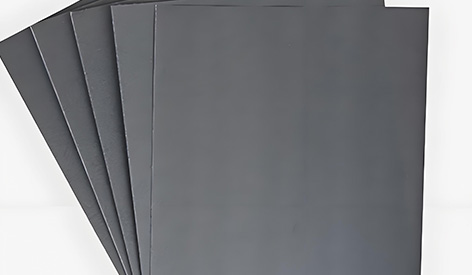
Aluminum oxide sanding paper is a popular choice for working with aluminum due to its durability and versatility. This abrasive consists of aluminum oxide grains bonded to a paper or cloth backing, providing a sharp cutting action that efficiently removes material without clogging easily.
It's available in various grits, from coarse (e.g., 60-80 grit) for heavy material removal to fine (e.g., 220-400 grit) for smoothing surfaces. When sanding aluminum, start with a coarser grit to eliminate deep scratches or imperfections, then gradually move to finer grits for a polished finish.
Aluminum oxide sanding paper is particularly effective because it resheathes—meaning the grains fracture during use, exposing new sharp edges for consistent performance. This makes it ideal for both hand sanding and machine applications, such as orbital sanders. For best results, apply even pressure and work in a circular or linear motion to avoid creating patterns that could mar the surface.
Sanding Aluminum Wheels
Sanding aluminum wheels is a specialized task often encountered in automotive maintenance and restoration. Aluminum wheels, like those on cars or motorcycles, can accumulate brake dust, corrosion, or curb damage over time. Sanding helps rejuvenate them by removing these flaws and preparing the surface for polishing or coating.
Begin by cleaning the wheels thoroughly to eliminate dirt and grease. Use a medium-grit aluminum oxide sanding paper (around 120-180 grit) to address deep scratches or oxidation, then progress to finer grits (up to 600 or higher) for a smooth finish. For intricate designs, consider using detail sanders or hand tools to reach tight spots.
After sanding, many enthusiasts follow up with polishing compounds to achieve a mirror-like shine. This process not only enhances the wheels' appearance but also protects against future wear, extending their lifespan. Remember to work in a well-ventilated area and use a dust extraction system to manage aluminum particles, which can be combustible in high concentrations.
Aluminum Oxide Sanding Techniques
Aluminum oxide sanding involves specific techniques to maximize efficiency and finish quality. This abrasive is favored for its hardness and longevity, making it suitable for both dry and wet sanding applications. One effective technique is to use a progressive grit sequence: start with 80-100 grit aluminum oxide paper to remove major imperfections, then switch to 150-220 grit for intermediate smoothing, and finish with 400+ grit for a fine surface.
When sanding by hand, maintain a consistent angle and pressure to avoid uneven wear. For power tools, like random orbital sanders, use a variable speed setting to control the abrasion rate—higher speeds for rapid material removal and lower speeds for precision. Additionally, periodically clean the sandpaper with a brush or air compressor to prevent loading, where aluminum particles clog the abrasive surface.
Aluminum oxide sanding is also adaptable to curved or flat surfaces, making it a go-to for projects like boat fittings or architectural elements. By mastering these techniques, you can reduce labor time and achieve professional-grade results.
Aluminum Sanding Block
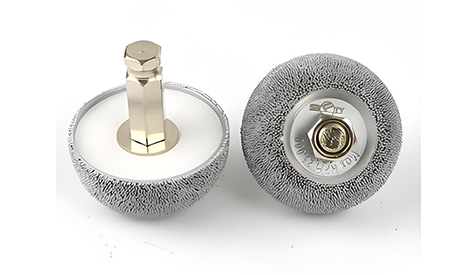
An aluminum sanding block is a handy tool that provides a rigid backing for sandpaper, ensuring even pressure distribution during the sanding process. These blocks are typically made from rubber, plastic, or foam and come in various shapes to fit different contours. Using a sanding block minimizes the risk of finger grooves or uneven spots, which are common when sanding by hand alone.
For aluminum work, select a block that complements the metal's softness—softer blocks for curved surfaces and firmer ones for flat areas. To use, wrap aluminum oxide sanding paper around the block and apply it in steady, overlapping strokes. This method is especially useful for tasks like smoothing welded seams or preparing aluminum sheets for painting.
Many professionals prefer aluminum sanding blocks because they improve control and reduce fatigue, leading to a more consistent finish. They are also affordable and reusable, making them a staple in workshops for both small repairs and large-scale fabrications.
Sanding Aluminum for Polishing
Sanding aluminum for polishing is a preparatory step that creates a flawless base for achieving a high-gloss finish. Polishing alone cannot remove deep scratches or oxidation, so sanding is essential to level the surface.
Begin with a coarse grit, such as 120-180, to eliminate major defects, then work through progressively finer grits (e.g., 320, 600, and up to 1500) until the surface feels smooth to the touch. This process, known as "grading," ensures that any remaining scratches are microscopic and easily buffed out.
After sanding, apply a polishing compound with a soft cloth or buffing wheel to bring out the aluminum's natural luster. This technique is common in applications like jewelry making, automotive detailing, or appliance refurbishment, where a reflective surface is desired.
It's important to note that over-sanding can thin the metal, so monitor the material removal carefully. With patience and the right abrasives, aluminum for polishing can transform a dull piece into a shiny masterpiece.
Wet Sanding Aluminum
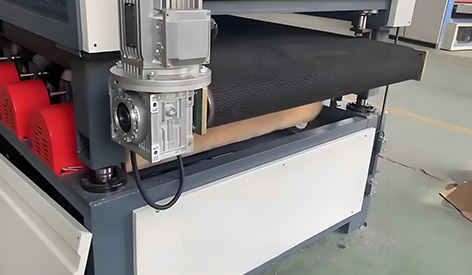
Wet sanding aluminum involves using water or a lubricant to reduce friction and heat during the sanding process. This method offers several advantages, such as minimizing dust, preventing scratches, and extending the life of the sandpaper.
To wet sand aluminum, soak the sandpaper in water for a few minutes, then apply it to the metal surface while periodically adding water to keep it moist. Use aluminum oxide sanding paper with grits ranging from 400 to 2000, depending on the desired finish. The water acts as a coolant and carries away debris, resulting in a smoother surface with fewer swirl marks.
Wet sanding is particularly beneficial for final finishing stages or when working with delicate aluminum parts, like engine components or decorative items. However, ensure the aluminum is clean and free of oils to avoid slurry buildup.
After wet sanding, dry the surface thoroughly to prevent water spots or corrosion. This technique requires a bit more setup but delivers superior results for high-precision projects.
Sand Blasted Aluminum
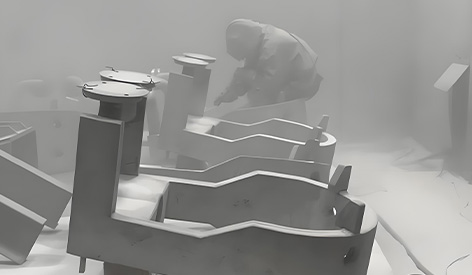
Sand blasted aluminum refers to a surface treatment where abrasive media, such as sand or glass beads, is propelled at high pressure to clean, texture, or etch the metal. This process, known as sandblasting, is often used as an alternative or complement to sanding for removing heavy corrosion, paint, or mill scale. It creates a uniform matte finish that can improve adhesion for coatings or provide an aesthetic appeal. For aluminum, using softer abrasives like walnut shells or plastic media is recommended to avoid damaging the soft metal.
Sand blasted aluminum is common in architectural applications, such as building facades, or in industrial settings for part preparation. After blasting, the surface may require additional sanding with finer grits to achieve a smoother texture if needed. This method is efficient for large areas but requires specialized equipment and safety measures, including respiratory protection due to airborne particles.
In summary, sanding aluminum is a multifaceted process that demands attention to detail, the right tools, and proper techniques. From using aluminum oxide sanding paper for efficient material removal to employing wet sanding for a pristine finish, each method has its place in achieving optimal results. Tools like the aluminum sanding block enhance control, while processes like sand blasting offer robust solutions for surface preparation.

