


Polishing aluminum requires precision, the right tools, and an understanding of how different abrasives affect the final finish. Whether you're restoring automotive parts, refining aerospace components, or working on DIY projects, selecting the correct grit sandpaper is crucial for achieving a mirror-like shine. This guide explores the best sandpaper grits for aluminum polishing, the role of compound, and techniques to remove imperfections while avoiding haze.
Understanding Aluminum Polishing
The Role of Grit in Sandpaper
Why Sandpaper Selection Matters
The Importance of Polishing Compound
Avoiding Haze and Achieving a Flawless Finish
Best Practices for Removing Imperfections
Color and Finish Considerations
The Best Sandpaper Grit Sequence for Aluminum
Understanding Aluminum Polishing
Aluminum polishing is a multi-step process that transforms dull, oxidized metal into a smooth, reflective surface. Unlike steel, aluminum is softer and more prone to scratches, making abrasive selection critical. The process typically involves progressive sanding with increasingly finer grits before applying a polishing compound to enhance shine. Proper technique ensures that deep scratches are eliminated without leaving behind micro-scratches that cause haze.
The Role of Grit in Sandpaper
Grit refers to the size of abrasive particles bonded to the sandpaper. Lower grit numbers (60-120) are coarse and ideal for removing heavy oxidation or deep imperfections. Medium grits (180-400) smooth out scratches, while fine grits (600-1500+) prepare the surface for final polishing. For aluminum, starting with 220-320 grit is common, followed by 400-800 grit for refinement. The best results come from a gradual progression—skipping grits can result in visible scratches that are harder to eliminate later.
Why Sandpaper Selection Matters
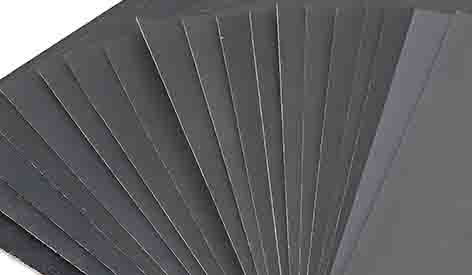
Not all sandpaper is suitable for aluminum. Wet/dry silicon carbide paper is preferred because it minimizes clogging and reduces heat buildup, which can warp thin aluminum sheets. Dry sanding generates more friction, increasing the risk of haze. For hand polishing, 3M Trizact or aluminum oxide sandpaper works well, while machine sanding may require sturdier abrasives like ceramic sanding discs.
The Importance of Polishing Compound
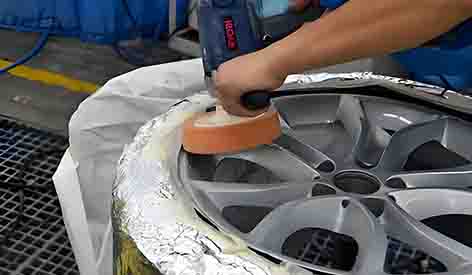
After sanding, a polishing compound refines the surface further. Compounds contain fine abrasives (often diamond or alumina) suspended in a wax or grease base. Heavy-cut compounds remove sanding marks, while finer polishes enhance color and clarity. For aluminum, a medium-cut compound like Mothers Mag & Aluminum Polish or a dedicated metal polish delivers the best results. Applying it with a buffing wheel ensures even distribution and minimizes swirl marks.
Avoiding Haze and Achieving a Flawless Finish
Haze occurs when fine scratches scatter light, creating a cloudy appearance. To prevent it, always follow a structured sanding sequence—never jump more than 50% between grits (e.g., 400 → 600 → 800). After final sanding, use a microfiber cloth and a high-gloss polish to eliminate residual abrasives. If haze persists, revisit the previous grit or apply a finer compound with a softer buffing pad.
Best Practices for Removing Imperfections
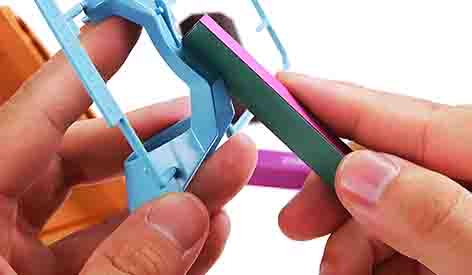
To remove deep scratches or oxidation, start with coarser grits (150-220) and work in consistent, linear motions. Avoid circular sanding, which can create uneven patterns. For intricate pieces, use sanding sponges to conform to curves. After each grit, clean the surface with isopropyl alcohol to inspect progress. If scratches remain, repeat the current grit before moving finer.
Color and Finish Considerations
Polished aluminum can range from a satin sheen to a mirror color depending on the final grit used. For a brushed look, stop at 400-600 grit. For high reflectivity, progress to 1500+ grit before applying polish. Anodized aluminum requires extra care—aggressive sanding can strip the protective layer, altering the color.
The Best Sandpaper Grit Sequence for Aluminum
Here’s a proven grit progression for optimal results:
Heavy Removal: 220-320 grit (for deep scratches or oxidation)
Smoothing: 400-600 grit (eliminates coarse grit marks)
Refinement: 800-1200 grit (prepares for polishing)
Final Finish: 1500-3000 grit (optional for ultra-high gloss)
Pairing this with the right compound ensures a flawless finish.
Choosing the correct grit sandpaper for aluminum polishing is a balance between material removal and surface refinement. By understanding the role of abrasives, compound, and technique, you can remove defects efficiently while achieving the best possible shine. Always progress methodically, avoid skipping grits, and finish with a high-quality polish to prevent haze. With these tips, your aluminum projects will gleam like never before.

