


Aluminum sheet metal is a versatile material widely used in industries ranging from aerospace to home decor due to its lightweight, corrosion resistance, and malleability. Whether you're working on structural components, decorative panels, or precision parts, knowing how to cut aluminum sheet metal correctly ensures clean edges and optimal performance. This guide explores various cutting tools and methods, considerations for thickness, and finishing techniques like anodizing for enhanced durability.
content:
Understanding Aluminum Sheet Metal
Key Methods for Cutting Aluminum Sheet Metal
Post-Cutting Finishing and Assembly
Understanding Aluminum Sheet Metal
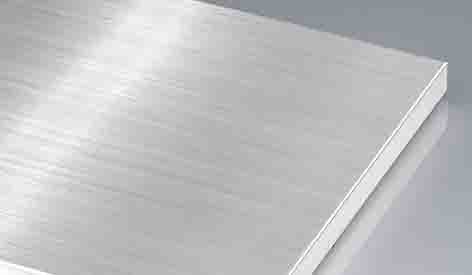
Aluminum sheet metal is available in various alloys and tempers, each suited for specific applications. Its thickness typically ranges from thin foils (0.006 inches) to heavy plates (over 0.25 inches). Thinner sheets are ideal for decorative applications, such as signage or interior design, while thicker sheets are used for structural projects. Additionally, anodized aluminum sheets offer improved wear resistance and aesthetic appeal, making them popular in consumer electronics and architectural cladding.
Key Methods for Cutting Aluminum Sheet Metal
1. Shearing and Snips (Manual Cutting)
For thin aluminum sheets (up to 18 gauge), aviation snips or hand shears provide a cost-effective cutting solution. This method is suitable for small-scale projects but may leave slight burrs that require deburring.
2. Circular Saw or Jigsaw with Metal Blades
When cutting thicker sheets (up to 1/4 inch), a circular saw equipped with a carbide-tipped blade or a jigsaw with a fine-toothed blade ensures straight or curved cuts. Lubricating the blade with cutting oil minimizes heat buildup and extends blade life.
3. CNC Laser Cutting
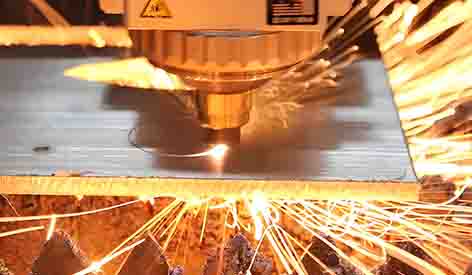
For precision cutting, CNC laser machines deliver clean, intricate cuts, especially useful for stamping custom designs or producing expanded metal mesh. This method excels with anodized aluminum, as it reduces material warping.
4. Water Jet Cutting
Water jet cutting is ideal for thick aluminum sheets (over 0.5 inches) or heat-sensitive applications. It produces no thermal distortion, preserving the metal’s structural integrity.
5. Stamping and Punching
Stamping is efficient for mass-producing identical parts, such as brackets or decorative perforated sheets. Hydraulic punches create holes or shapes quickly, though tooling costs can be high for small batches.
6. Brake Press Cutting and Bending
A brake press (or sheet metal brake) cuts and bends aluminum sheets simultaneously, ideal for creating enclosures or HVAC components. Adjustments based on thickness ensure accurate bends without cracking.
7. Plasma Cutting
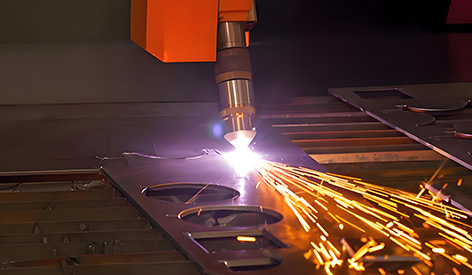
Plasma cutters handle thick aluminum (up to 2 inches) with speed, though edges may require grinding for smoothness. This method is common in industrial fabrication.
Post-Cutting Finishing and Assembly
After cutting, deburr edges with a file or sandpaper to prevent injuries. For anodized sheets, avoid damaging the protective layer during cutting. Joining cut pieces often involves screws, rivets, or welding—ensure compatibility with aluminum alloys to avoid galvanic corrosion.
Selecting the right cutting method for aluminum sheet metal depends on thickness, project scale, and desired finish. Whether using a brake press for bending, laser cutting for precision, or stamping for high-volume production, proper technique guarantees professional results. For decorative or functional applications, combining these methods with anodized and laser engraving finishes enhances both aesthetics and longevity. Always prioritize safety and tool maintenance to achieve flawless cuts every time.

