


Metal blackening processes are vital surface treatments used across various industries to enhance the durability, corrosion resistance, and aesthetic appeal of metal components. These methods involve creating a black oxide layer on the surface, which not only improves performance but also adds a sleek, professional finish. In this article, we explore different blackening techniques, including their applications to specific materials like steel and cast iron, and highlight critical steps such as passivation. By understanding these processes, manufacturers can make informed decisions to optimize product quality and longevity.
content:
What is the Blackening Process?
Different Ways to Blacken Metal
Blackening Different Types of Metal
The Final, Important Step: Passivation
What is the Blackening Process?
The blackening process is like a science experiment for metal. It uses special chemicals to create a super-thin black layer on the metal's surface. This layer is a kind of rust, but it's the good kind! It acts like a shield, protecting the metal from the bad rust that can destroy it.
A very common one is the blackened steel process. Since steel is used everywhere—from cars to wrenches—giving it this black shield makes it perfect for tough jobs. It stops the steel from wearing out too quickly and makes it look professional without needing much upkeep.
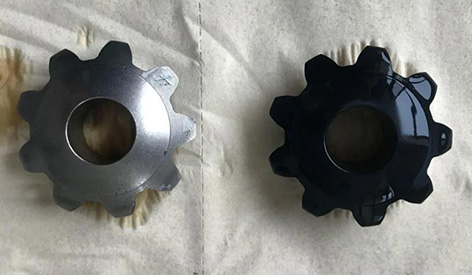
Different Ways to Blacken Metal
Just like there are different ways to cook a pizza (oven, microwave, or grill), there are different ways to blacken metal.
One way is the chemical blackening process. This is like giving the metal a chemical bath. The metal part is dipped into a special liquid that reacts with its surface, turning it black. It's a popular method because it's fast and works on lots of small parts at once.
Another cool method is the cold blackening process. The best part about this one? No heat needed! The special blackening liquid works at room temperature. This is great for metal parts that might be damaged by heat. It's like using a magic marker instead of a hot oven.
On the other hand, there is the hot blackening process. This one does use a lot of heat. The metal is dipped into a super-hot salt bath. This creates a much thicker and tougher black coat. It's like forging a sword in a fire—it takes more energy, but you get an incredibly strong result, perfect for heavy machinery and tools.
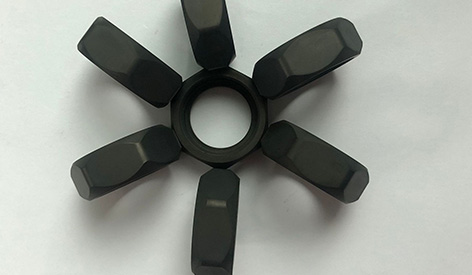
Blackening Different Types of Metal
Not all metal is the same, so we can't treat it all the same way!
For example, the blackening process stainless steel is tricky. Stainless steel is naturally good at fighting rust, so getting the black coat to stick is harder. To do it, scientists have created special chemical baths that can gently rough up the surface so the black shield can form properly. This is important for things like medical tools and modern buildings.
Then there's the cast iron blackening process. Cast iron is what some heavy pans and engine blocks are made from. It's a bit porous, like a sponge. The blackening process seals up its tiny holes, which locks out moisture and makes it incredibly resistant to rust. It's like waterproofing your shoes before walking in the rain.
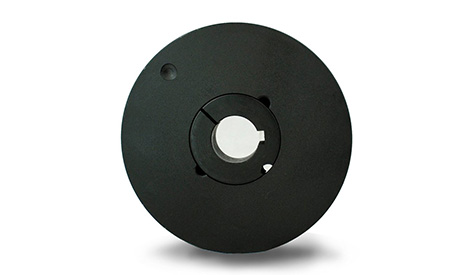
The Final, Important Step: Passivation
After the metal gets its black coat, it often gets one final treatment called passivation.
Think of it this way: after the metal puts on its new black superhero outfit, the passivation step is like spraying it with a protective sealant. This sealant makes the black coating even stronger and helps it fight off rust and chemicals for a much, much longer time. It’s the final touch that makes sure the "superhero outfit" doesn't wear out.
In summary, blackening processes offer a range of effective solutions for improving metal surfaces in terms of corrosion resistance, aesthetics, and functional performance. From the versatile blackened steel process to specialized methods for stainless steel and cast iron, these techniques cater to diverse industrial needs. Understanding the differences between chemical, cold, and hot blackening—along with the importance of passivation—enables manufacturers to select the most suitable approach for their specific applications. As industries continue to evolve, advancements in blackening technology promise even greater efficiency, sustainability, and customization, solidifying its role as a cornerstone of modern metal treatment. By leveraging these processes, businesses can achieve higher product standards and meet the growing demands for durability and design in competitive markets.

