


Have you ever noticed how some metal objects, like bike parts or tools, have a dark, matte finish that makes them look tough and sleek? That's often because of a process called metal blackening! In this guide, we'll explore how metals are treated to make them stronger, last longer, and look awesome. We'll talk about things like buff polishing, blackening coatings, and oxide finishes in a way that's super easy to understand. So, let's dive in and learn about the cool world of metal surface treatments!
content:
What is Metal Surface Treatment?
What is Metal Blackening?
Getting Metals Ready with Buff Polishing
Understanding Blackening Coatings
How Metals are Coated with Oxide
What is a Black Oxide Finish?
Using Black Oxide Paint for Quick Results
The Step-by-Step Blacking Process
Cold Black Oxide Solution: A Cool Alternative
Why These Treatments are Important
What is Metal Surface Treatment?
Metal surface treatment is like giving metal a makeover to help it stay in great shape. Imagine you have a favorite toy that you want to protect from scratches or rust—you might put a cover on it or clean it regularly. That's what industries do with metals! They use different methods to change the outside of metal parts without altering what's inside. This can include cleaning, coating, or polishing the metal to make it resist water, chemicals, and wear. For example, in cars or airplanes, surface treatments help parts work smoothly and look good for a long time. It's all about keeping metals healthy and ready for action!
What is Metal Blackening?
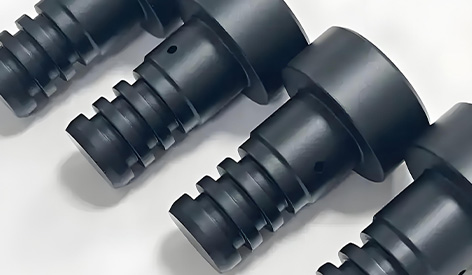
Metal blackening is a fun way to turn metals black using special chemicals or electricity. Think of it like dyeing your hair a new color, but for metal! This process creates a dark layer on the surface of metals like steel or copper. It doesn't just make them look cool—it also acts like a shield against rust and damage. When metal is blackened, it becomes better at handling rough conditions, like being outside in the rain. People use this in things like tools and machines to reduce glare and make them easier to grip. So, metal blackening is both a style upgrade and a protective suit for metals!
Getting Metals Ready with Buff Polishing
Before a metal can be blackened, it needs to be cleaned and smoothed out, just like how you might wash and polish a dirty penny to make it shine. That's where buff polishing comes in! Buff polishing is a step where workers use soft wheels or pastes to rub the metal until it's smooth and glossy. This removes any scratches, dirt, or rough spots so that the blackening coating can stick evenly. It's like prepping a canvas before painting—if the surface is nice and clean, the final result looks much better. In factories, buff polishing is often done for items like jewelry or firearm parts to give them a sleek finish that also helps prevent corrosion.

Understanding Blackening Coatings
A blackening coating is a special layer that experts put on metal to make it turn black. It's kind of like applying sunscreen to your skin to protect it from the sun, but for metals! These coatings can be made from different materials, such as phosphates or oxides, and they react with the metal to form a durable, dark film. One popular type is called a black oxide finish, where the metal is dipped into a warm solution that creates a black shield. This coating not only stops rust but also makes the metal less slippery, which is great for moving parts in machines. Industries use blackening coatings on things like gears and bolts to keep them running smoothly in tough environments.
How Metals are Coated with Oxide
When a metal is coated with oxide, it means its surface is changed to include oxygen, which helps form a protective layer. Imagine if you left an apple slice out—it turns brown because of oxygen in the air. Similarly, metals can be treated to develop an oxide coating that prevents them from rusting. In the black oxide finish method, metals like steel are placed in a hot bath that makes them black and sturdy. This doesn't add extra thickness, so the metal parts still fit perfectly together. It's commonly used for precision items like tools or instruments because it helps them hold oil better, reducing friction and wear.
What is a Black Oxide Finish?
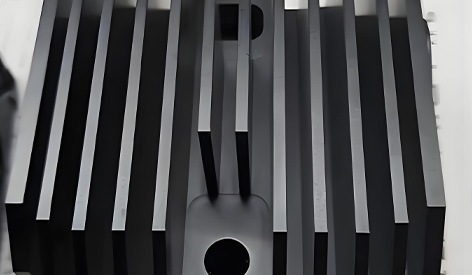
A black oxide finish is a specific way to give metal a black color through a chemical reaction. Unlike paint that just sits on top, this finish becomes part of the metal itself! It's made by soaking the metal in a solution that turns the iron into black iron oxide, which is strong and doesn't chip off easily. This finish is perfect for items that need to look good and work hard, such as hand tools, electronics, or military gear. It reduces light reflection, so it's easier on the eyes, and it provides a rough surface that's simple to hold. By using a black oxide finish, companies make sure their products are both attractive and long-lasting.
Using Black Oxide Paint for Quick Results
Sometimes, instead of using chemicals to change the metal, people use black oxide paint to get a similar look. This is like using a marker to color something black—it's fast and easy! Black oxide paint is a type of coating that you can spray or brush onto metal surfaces. It doesn't offer as much protection as a real oxide layer, but it's great for big projects or DIY crafts where you want a dark finish quickly. For example, it's used on outdoor railings or art projects to prevent rust and add style. However, it might need touch-ups over time, so it's not the best for heavy-duty machines that face a lot of wear and tear.
The Step-by-Step Blacking Process
The blacking process is the whole series of steps used to blacken metal, from start to finish. First, the metal is cleaned to remove any grease or dirt—think of it like washing your hands before eating. Then, it's rinsed and dried. Next, it's treated to make the surface ready for blackening, similar to priming a wall before painting. After that, the metal is dipped into a blackening solution, which could be hot or cold, to create the black layer. Finally, it might be sealed with oils or waxes to lock in the protection. This process ensures every part comes out looking consistent and strong. In car manufacturing, for instance, this is done automatically for parts like brake components to meet high-quality standards.
Cold Black Oxide Solution: A Cool Alternative
A cold black oxide solution is a newer method that works at room temperature, making it safer and more energy-efficient. It's like using a cold pack instead of a heater—it gets the job done without much heat! This solution contains ingredients like selenium that react with the metal to form a black coating. It's ideal for metals that can't handle high temperatures or for small projects where big equipment isn't available. Although the coating might not be as thick as from hot methods, it still helps fight rust and looks good. People often use it for decorative items, screws, or tools because it's simple and eco-friendly.

Why These Treatments are Important
Metal blackening and surface treatments offer lots of benefits, such as making metals resist corrosion, look nicer, and hold lubricants better. This means products last longer and need less maintenance. In everyday life, you can see these treatments in action on things like bicycles, playground equipment, or kitchen tools. For instance, a black oxide finish on a wrench makes it less likely to rust and easier to use. In bigger industries, like aerospace or automotive, these processes help parts survive extreme conditions, saving money and keeping things running smoothly. By understanding these ideas, we can appreciate how science and creativity come together to improve the world around us!
In conclusion, metal blackening and surface treatments are amazing ways to protect and beautify metals. From buff polishing to prepare the surface, to using blackening coatings or cold black oxide solutions, each method has its own role. Whether it's a durable black oxide finish or simple black oxide paint, these techniques help metals stay strong and stylish. As technology grows, new ways are being invented to make these processes even better for the environment.

