


3D printing is everywhere. It is a fantastic tool for creating quick models to check shape and fit. But what happens when you need your prototype to actually perform? What happens when it needs to be strong?
This is where many projects hit a wall. A plastic 3D print cannot handle real-world stress. It cannot survive a high-temperature test. It cannot give you the true feel of a metal part.
For serious functional testing, you need a more robust solution. You need cnc rapid prototyping. This guide explains why this process is the top choice for engineers who need parts that work.
content:
The Problem: When a 3D Print Fails the Test
The Power of Subtractive Manufacturing
Real Materials for Real-World Testing
When Should You Choose CNC Prototyping?
The Problem: When a 3D Print Fails the Test
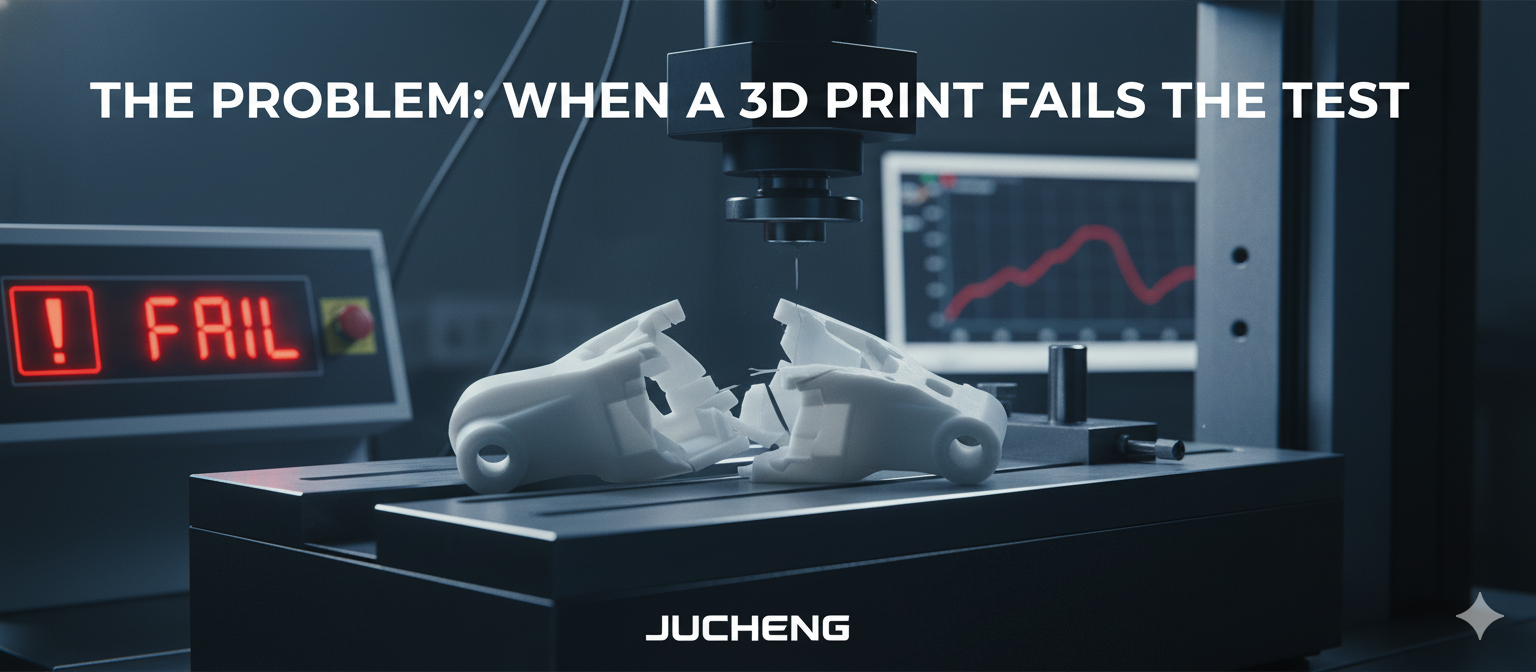
Imagine an automotive team designing a new engine bracket. They use a 3D printer to make a plastic prototype. It looks perfect. It fits perfectly in the engine bay.
Then, they mount the engine and run a vibration test. The plastic prototype cracks and breaks in minutes. The test is a failure. The prototype did not provide useful data because the material was wrong.
This is the core limitation of 3D printing. The parts are built in layers. This layered structure is inherently weaker than a solid block of material. The material choices are also limited.
This is why a different approach is needed for any part that must withstand force, heat, or pressure. This is the job for rapid prototyping with CNC.
The Power of Subtractive Manufacturing
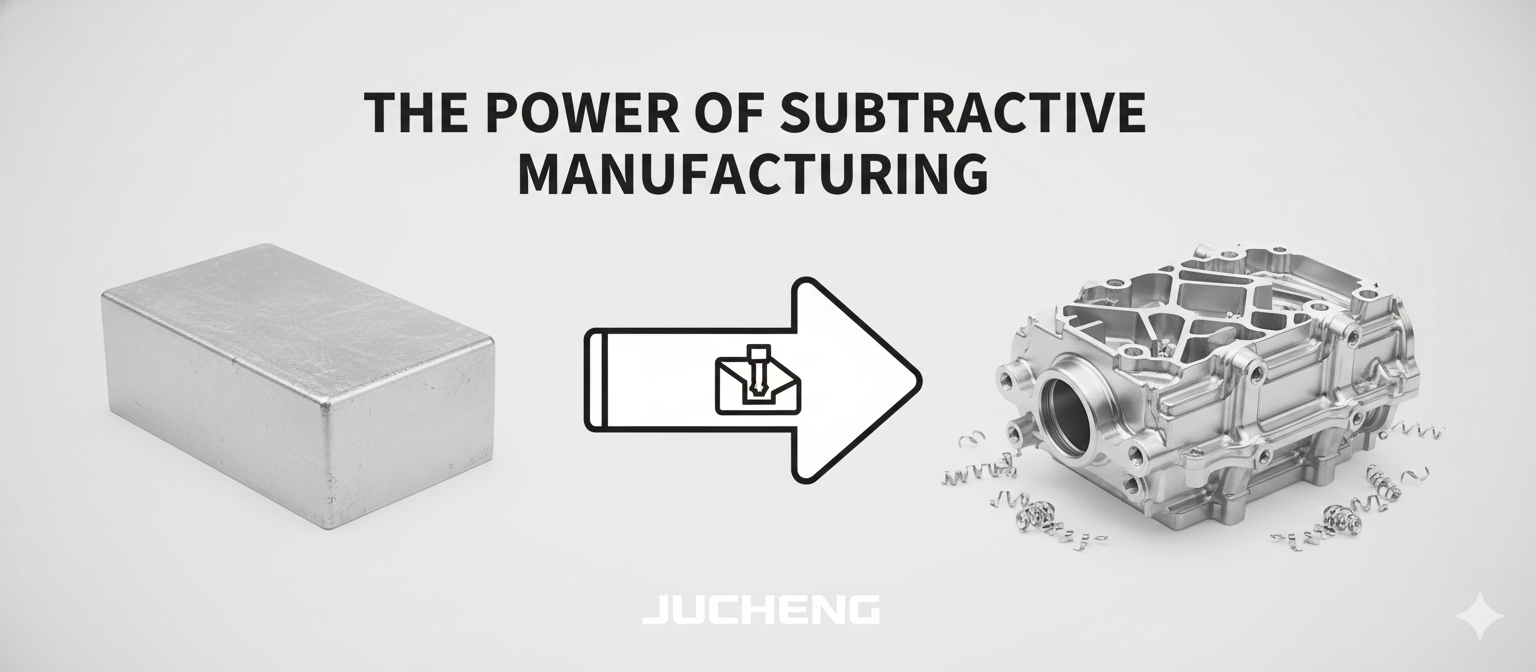
The process of cnc rapid prototyping is a "subtractive" method. This is the opposite of 3D printing.
We do not build a part from nothing. We start with a solid block of real engineering material. It can be a block of aluminum, steel, or a tough plastic like Nylon.
A computer-controlled cutting tool then carves away the excess material. It is like a sculptor carving a statue from a block of marble. It removes everything that is not your part.
The final part is a solid, continuous piece of material. It has no layers. It has the full strength and properties of the raw material. This is why a CNC part can perform just like a final production part.
Modern machines, like 5-axis CNC mills, can move the part and the tool in very complex ways. This allows them to create incredibly intricate designs with extremely tight tolerances. This precision is another key advantage over 3D printing.
Real Materials for Real-World Testing
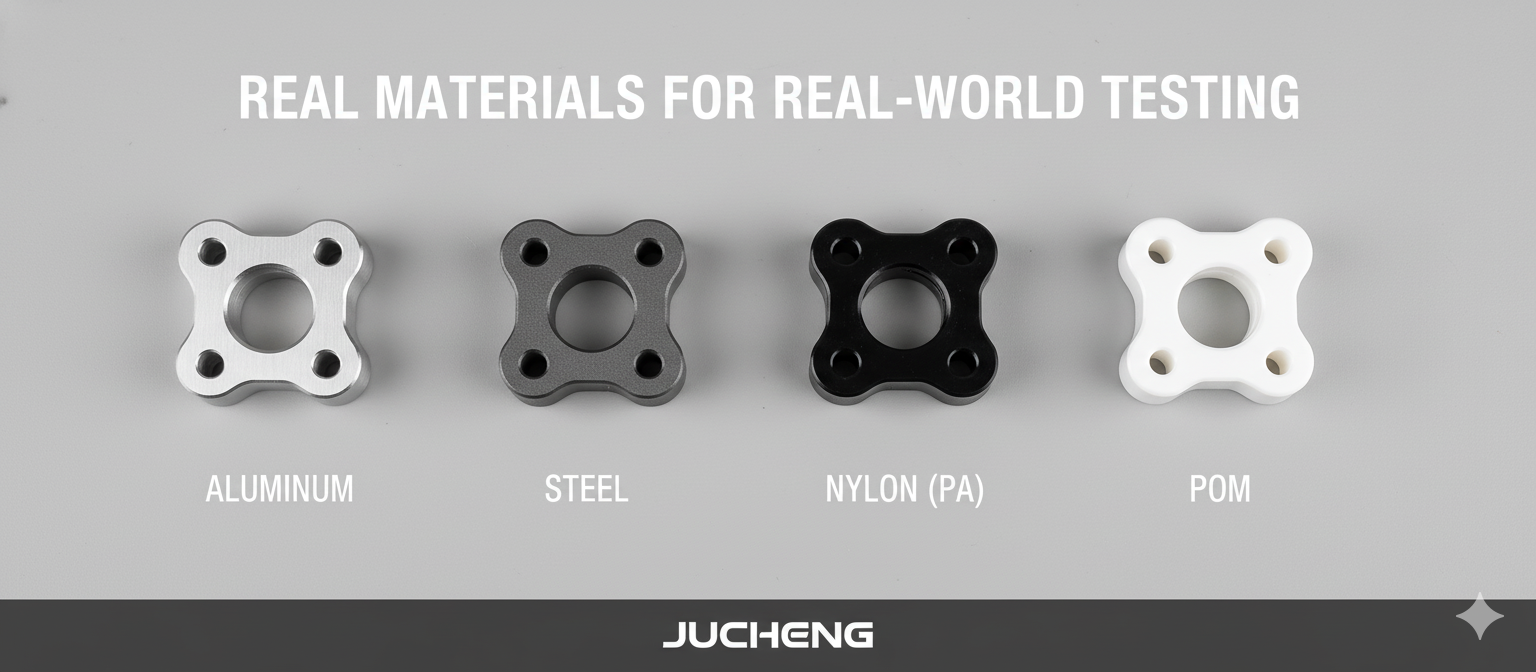
The biggest superpower of cnc rapid prototyping is the vast material selection. You are not limited to a few printing plastics. You can make your prototype from the exact same material as your final product.
You can choose from a huge range of engineering plastics. Need a tough, low-friction part for a gear? Use Nylon or POM. Need a part that can handle high temperatures? Use PEEK. Need a clear part with high impact strength? Use Polycarbonate (PC).
You can also choose from a wide variety of metals. The most common is Aluminum. It is lightweight, strong, and easy to machine. For parts that need maximum strength, you can use Carbon Steel or Stainless Steel.
This ability to test your design in the real material is a game-changer. It gives you data you can trust. It gives you confidence that your design will perform in the real world.
When Should You Choose CNC Prototyping?
So, when is CNC the right choice?
Choose CNC when your prototype needs to be strong. If it will be subjected to any kind of force, stress, or vibration, you need the strength of a solid part.
Choose CNC when your prototype needs to be precise. If your part has to fit with other components with very tight tolerances, the accuracy of CNC is unmatched.
Choose CNC when your prototype needs specific material properties. If you need to test for heat resistance, chemical resistance, or electrical insulation, you must use the correct engineering material.
3D printing is a great tool for early concept models. But when it is time for serious engineering validation, cnc rapid prototyping is the professional choice. It is the process that turns a good idea into a great, reliable product.
```

