


Acrylic, a versatile and durable thermoplastic, has become a staple material across various industries due to its clarity, impact resistance, and ease of fabrication. Among the most effective methods for shaping acrylic is CNC (Computer Numerical Control) machining, a precision-driven process that leverages automated tools to create intricate designs with high accuracy. This article delves into the nuances of acrylic CNC machining, exploring the machinery involved, the parts produced, and the services available to meet diverse manufacturing needs. By understanding these aspects, businesses and innovators can optimize their projects for efficiency, quality, and customization, ensuring they harness the full potential of acrylic materials in applications ranging from signage to medical devices.
content:
Introduction to Acrylic and CNC Machining
Understanding Acrylic CNC Machining
Types of Acrylic CNC Machines
How CNC Machines Cut Acrylic
Applications of Acrylic CNC Parts
Overview of Acrylic CNC Machining Services
Benefits of Custom Acrylic CNC Machining Services
Introduction to Acrylic and CNC Machining
Acrylic, often known by brand names like Plexiglas or Lucite, is a synthetic polymer valued for its glass-like transparency and weatherability. Unlike traditional materials, acrylic offers a unique combination of lightness and strength, making it ideal for both aesthetic and functional components. CNC machining, on the other hand, is a subtractive manufacturing process where computer-controlled machines remove material from a workpiece to form a desired shape. When applied to acrylic, this method allows for precise cutting, drilling, and engraving, minimizing waste and ensuring consistent results. The synergy between acrylic and CNC technology has revolutionized industries by enabling the production of complex geometries that would be challenging with manual techniques. As demand for high-quality plastic components grows, mastering acrylic CNC processes becomes crucial for manufacturers aiming to stay competitive in markets such as automotive, electronics, and consumer goods.
Understanding Acrylic CNC Machining
Acrylic CNC machining refers to the specialized process of using CNC equipment to fabricate parts from acrylic sheets or blocks. This technique involves programming digital designs into CNC software, which then guides cutting tools like routers or mills to execute precise operations. One of the key advantages of acrylic CNC machining is its ability to handle detailed work without compromising the material's integrity. For instance, it can produce smooth edges and polished surfaces that enhance acrylic's natural clarity, reducing the need for post-processing. Additionally, this process supports a wide range of acrylic types, including cast and extruded variants, each with distinct properties suited for different applications. By leveraging advanced cooling systems and toolpaths, operators can prevent issues like melting or chipping, ensuring high-quality outcomes. As a result, acrylic CNC machining is favored for projects requiring tight tolerances and repeatability, from prototyping to mass production.
Types of Acrylic CNC Machines
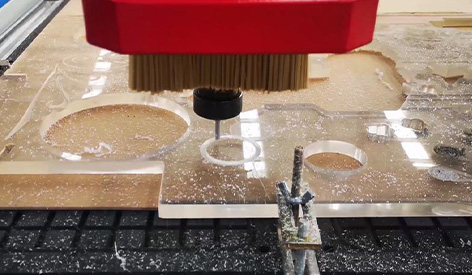
When it comes to acrylic fabrication, not all CNC machines are created equal. An acrylic CNC machine is specifically designed or adapted to handle the unique characteristics of acrylic materials, such as their tendency to soften under heat. Common types include CNC routers, mills, and lasers, each offering distinct benefits. A CNC router, for example, is ideal for cutting large acrylic sheets with speed and precision, while a CNC mill excels at creating intricate 3D shapes and cavities. Meanwhile, a cnc machine to cut acrylic often incorporates features like high-speed spindles and vacuum tables to secure the material during operation, reducing vibrations that could lead to imperfections. Many modern machines also integrate dust extraction systems to maintain a clean work environment, which is vital for achieving the flawless finishes acrylic is known for. By selecting the right equipment based on project requirements—such as thickness, complexity, and volume—manufacturers can optimize efficiency and minimize material waste.

How CNC Machines Cut Acrylic
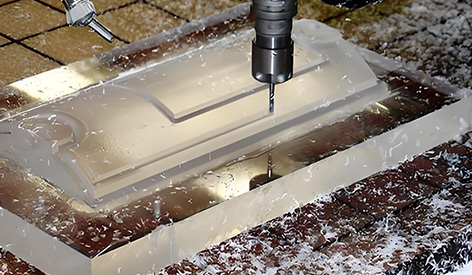
The process of using a cnc machine to cut acrylic involves several technical steps that ensure precision and quality. First, a digital design file, typically in formats like CAD or CAM, is uploaded to the CNC system. The machine then uses various cutting tools, such as end mills or diamond-tipped bits, to follow the programmed paths. For acrylic, which is sensitive to heat, controlling the cutting speed and feed rate is critical to avoid thermal deformation. Coolants or air blasts are often employed to dissipate heat and clear away chips, resulting in clean, burr-free edges. Additionally, techniques like climb milling can enhance surface finish by reducing tool marks. This method is particularly effective for acrylic because it maintains the material's optical clarity and structural strength. By fine-tuning parameters like spindle speed and depth of cut, operators can achieve everything from simple cuts to complex engravings, making CNC a versatile solution for acrylic fabrication.
Applications of Acrylic CNC Parts
Acrylic cnc parts are ubiquitous in modern manufacturing, thanks to their durability and aesthetic appeal. These components are used in a myriad of industries, including aerospace, where lightweight and transparent covers for instruments are essential. In the medical field, acrylic cnc parts form the basis of devices like surgical guides and laboratory equipment, benefiting from the material's sterilizability and clarity. The electronics sector relies on them for enclosures and displays, as acrylic provides excellent insulation and can be molded into sleek designs. Moreover, retail and advertising industries use acrylic CNC-cut elements for signage, point-of-sale displays, and decorative items that demand high visual impact. The precision of CNC machining ensures that each part meets exact specifications, whether it's a custom-shaped lens or a structural bracket. This versatility makes acrylic cnc parts a go-to choice for applications where both form and function are paramount.

Overview of Acrylic CNC Machining Services
For businesses without in-house capabilities, acrylic cnc machining services offer a practical outsourcing solution. These services provide access to professional expertise and state-of-the-art equipment, enabling clients to produce high-quality acrylic components without significant capital investment. A typical acrylic cnc machining service covers everything from design consultation and material selection to production and finishing. They often employ skilled technicians who can advise on optimizing designs for manufacturability, such as suggesting appropriate tolerances or edge treatments. Many services also offer rapid prototyping, allowing for quick iterations and adjustments before full-scale production. By partnering with a reliable provider, companies can reduce lead times and costs while ensuring consistency across batches. This is especially beneficial for industries like architecture, where custom acrylic elements are used in lighting and interior design, requiring precise execution to match project specifications.
Benefits of Custom Acrylic CNC Machining Services
When standard solutions fall short, custom acrylic cnc machining services step in to deliver tailored results. These services focus on creating unique components that meet specific client requirements, such as unusual shapes, intricate patterns, or specialized finishes. The advantage of custom acrylic cnc machining services lies in their flexibility; they can accommodate low-volume orders or one-off prototypes, making them ideal for niche applications like artistic installations or specialized machinery parts. Additionally, they often include value-added options like polishing, painting, or assembly, enhancing the final product's functionality and appearance. By leveraging advanced software and machinery, these services ensure that even the most complex designs are realized with accuracy. This level of customization not only fosters innovation but also helps businesses differentiate their offerings in competitive markets, proving that personalized manufacturing can drive success.
In summary, acrylic CNC machining represents a powerful intersection of material science and advanced manufacturing technology. From the foundational concepts of acrylic cnc machining to the practical use of an acrylic cnc machine, this process enables the creation of precise, high-quality components. Understanding how a cnc machine to cut acrylic operates reveals the technical finesse required to maintain material properties, while the widespread applications of acrylic cnc parts highlight their industrial importance. For those seeking external support, acrylic cnc machining services and custom acrylic cnc machining services provide accessible pathways to innovation and efficiency. As industries continue to evolve, embracing these techniques will be key to unlocking new possibilities in design and production. By staying informed and leveraging professional resources, manufacturers can harness acrylic's potential to achieve remarkable outcomes in their projects.

