


Have you ever wondered how some metal objects don't rust, look shiny, or can even conduct electricity better? It's often because of a cool process called industrial electroplating. Think of it like giving a metal object a super-thin, protective coat of paint, but instead of paint, it's a layer of a different metal! This process is used to make everything from car parts to airplane engines stronger and last longer.
content:
What is Electroplating and How Does it Happen?
Electroplating for Super-Strong Airplanes
Electroplating for Tough Tools in the Oil Field
The Special Case of Silver Coating
How Electroplating Makes Better Cars
So, Why Does All This Matter?
What is Electroplating and How Does it Happen?
The electroplating industry process is like a science experiment you might do in school. Imagine you have a metal key that you want to make shiny and silver.
First, you have to clean the key really well, just like washing your hands before dinner, so that the new metal coating can stick properly.
Next, you place the key in a special liquid bath that has tiny, invisible particles of the coating metal, like silver or nickel, floating in it. Then, you run a little bit of electricity through the liquid. This electricity gently pulls the metal particles out of the liquid and onto the key, coating it evenly. It's a bit like using a magnet to pull iron filings out of sand, but with electricity and metal ions!
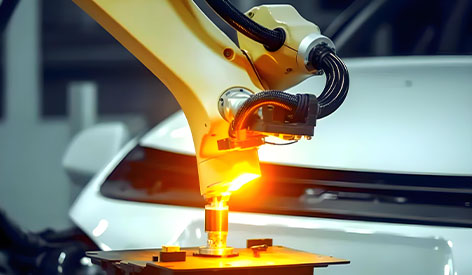
This whole thing needs special electroplating equipment, like tanks to hold the liquid, power supplies for the electricity, and racks to hold the items being coated.
Electroplating for Super-Strong Airplanes
In the aerospace industry electroplating, this process is super important for safety. Airplanes fly really high where the air is cold and thin, and they need to be strong and not rust. Important parts like landing gear and engine blades are often coated with special metals. This makes them resistant to rust and helps them handle the huge forces during flight, making sure the airplane is safe for everyone on board.
Electroplating for Tough Tools in the Oil Field
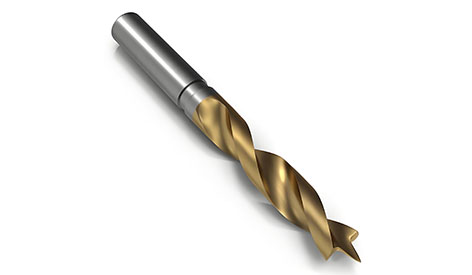
The oil industry electroplating is all about protecting heavy equipment. Machines that dig for oil deep in the ground or under the ocean face very rough conditions. They can get scratched, bashed, and exposed to things that cause rust. To prevent this, tools like drill bits and pipes are given an extra-hard metal coating. This tough skin makes the equipment last much longer, so workers don't have to stop and fix or replace it as often.
The Special Case of Silver Coating
Industrial silver electroplating is really interesting because silver isn't just shiny—it's a superstar at conducting electricity. That's why it's used to coat electrical parts inside your gadgets, making sure they work fast and efficiently. Silver is also used on some eating utensils and medical tools because it can help stop germs from growing! The trick is to put on a coating that is smooth and doesn't tarnish, or lose its shine, over time.
How Electroplating Makes Better Cars
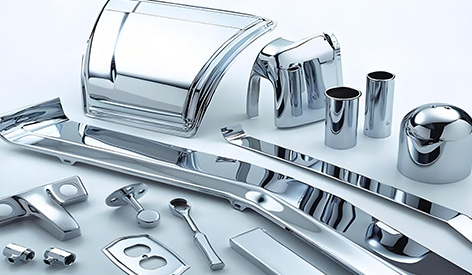
Electroplating in the automobile industry is something you can actually see on many cars! Have you noticed the shiny, silver parts on some bumpers or wheels? That's often a chrome coating, put on through electroplating. But it's not just for looks. Many parts of a car's body and engine are coated with metals like zinc to act like a shield, stopping rust from forming, especially in places where it snows and roads are salted. For new electric cars, electroplating is used to make sure the battery connections are super efficient.
So, Why Does All This Matter?
In short, industrial electroplating is a hidden hero in manufacturing. It's the reason why:
Airplanes in the aerospace industry can stay safe and sturdy.
Equipment in the oil industry can survive tough jobs.
Your electronics work well thanks to silver plating.
Cars last for years without rusting away.
This amazing process, using special electroplating equipment, adds a tiny layer of metal to make our big and small machines safer, stronger, and better at their jobs. It's a perfect mix of science and engineering that improves the things we use every day!

