


Have you ever wondered how a cheap metal key can look like solid gold, or why your bike chain doesn't rust? The answer is a super cool process called electroplating! It's like a science-powered magic trick that uses electricity to coat an object with a thin, shiny layer of metal.
This process makes things stronger, prevents rust, and makes them look fantastic. It’s used for everything from jewelry to car parts. Let's explore this amazing world and learn how it works in a simple way.
content:
What is Electroplating? The Basic Idea
Coating Metal with Metal
The Tools for the Job: Electroplating Equipment
Big Business: Industrial Electroplating
Electroplating vs Anodizing: What's the Difference?
Giving 3D Prints a Metal Makeover
The Step-by-Step Electroplating Process
Can You Electroplate Plastic?
What is Electroplating? The Basic Idea
Imagine you could dip an object in invisible paint that uses electricity to turn into metal. That's electroplating!
Here's a simple way to think about it:
You have a special liquid bath filled with tiny, dissolved metal particles (called ions).
You place the object you want to coat (like a metal spoon) into the liquid.
You also place a bar of the shiny metal you want to use (like a gold bar) into the same liquid.
Then, you plug both of them into a battery. The object gets a negative charge (-), and the gold bar gets a positive charge (+).
When you turn on the electricity, something amazing happens! The tiny gold particles in the liquid are attracted to the negatively charged object. They swim through the liquid and stick to the object's surface, building up a super-thin, even layer of real gold. It's like the object is getting a brand-new metal skin!
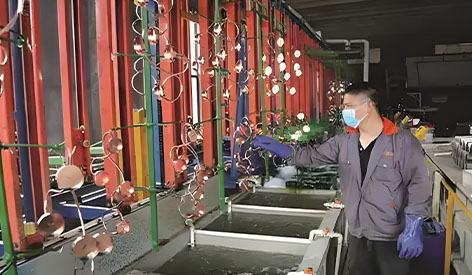
Coating Metal with Metal
The most common use of electroplating metal is to make one metal look or behave like another. For example:
A layer of chromium (what we call "chrome") on a car bumper makes it super shiny and resistant to rust.
A layer of gold or silver on jewelry or electrical connectors makes them look beautiful and conduct electricity really well.
A layer of zinc on screws and nails (a process called galvanization) acts like a shield, sacrificing itself slowly to protect the iron underneath from rusting.
The Tools for the Job: Electroplating Equipment
Doing this scientifically requires special tools, known as electroplating equipment. You can't just use a bucket from the garage!
The main pieces are:
A Power Source: Like a big, controllable battery (called a rectifier) that provides the electric current.
The Bath: A special tank that holds the chemical liquid (the electrolyte).
The Anode: The bar of the coating metal (like gold or nickel) that will slowly dissolve to supply particles to the liquid.
The Cathode: The object you want to plate (like the spoon), which is hooked up to the negative side.
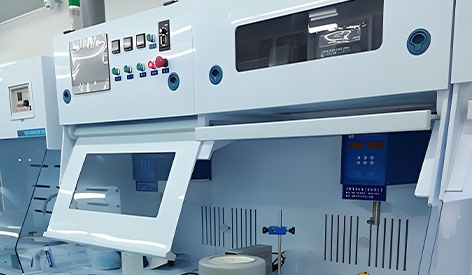
Big factories also have machines to clean the parts first, heaters to keep the liquid at the perfect temperature, and moving arms to dip and move the objects automatically.
Big Business: Industrial Electroplating
When this process is done on a huge scale in factories, it's called industrial electroplating. Almost every industry uses it!
Cars: Countless parts, from the shiny wheels to the small buttons on the dashboard, are electroplated to look good and last longer.
Airplanes: Critical parts are plated with special metals to handle extreme temperatures and prevent corrosion high in the sky.
Electronics: The tiny gold-colored fingers on a video game cartridge or the connectors inside your phone are electroplated to make sure electricity flows perfectly.
Because these factories use so many chemicals, they have to be very careful to clean their waste and protect the environment.
Electroplating vs Anodizing: What's the Difference?
People often get confused between electroplating and anodizing. Here's the easy way to tell them apart:
Electroplating is like adding a new layer. You are putting a different metal (like gold or chrome) on top of your object.
Anodizing is like making the original material tougher. It only works on aluminum (the metal used for soda cans and some bike parts). It thickens the aluminum's own natural surface layer, making it much harder and able to be dyed fun colors.
So, plating adds a coat, while anodizing strengthens the skin that's already there.This is the difference between electroplating and anodizing.
Giving 3D Prints a Metal Makeover
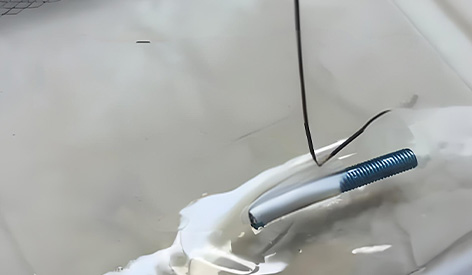
One of the newest and coolest uses is electroplating 3D prints. Many 3D printers use plastic to create objects. So, how do you make plastic conductive so it can be electroplated?
It's a two-step trick:
First, you spray the plastic object with a special conductive paint, or you dip it in a chemical bath that deposits a very thin layer of copper all over it (this is called "electroless plating").
Now that the object has a conductive metal coating, you can put it through the normal electroplating process to add more layers, like shiny silver or gold!
This is how people make plastic prototypes look and feel like solid metal, or create amazing, detailed metal jewelry from a 3D printer.
The Step-by-Step Electroplating Process
So, what are the actual steps in the electroplating process? Let's follow a part on its journey:
The Deep Clean: First, the object has to be scrubbed perfectly clean. Any dirt, oil, or fingerprints will stop the metal from sticking. It's like washing your hands before putting on lotion.
The Electric Dip: Next, the clean object is placed into the plating tank, hooked up to the negative side of the power source. The electricity is turned on for a specific amount of time to build up the desired thickness—sometimes thinner than a human hair!
The Final Rinse: After it's coated, the object is rinsed with water to wash away any leftover chemicals.
Quality Check: Finally, it's checked to make sure the coating is even, shiny, and stuck on tight.

Can You Electroplate Plastic?
Yes, you absolutely can! Electroplating plastic is how we make many lightweight, shiny objects. Think about the shiny logo on your car's front, or the fancy trim on a hair dryer. Those are often plastic parts that have been electroplated to look like metal.
The trick is the same as with 3D prints: you first have to make the plastic conductive by using a special chemical bath or a conductive paint. Once it has that first thin metal layer, you can plate it with any other metal you want. This gives us the best of both worlds—the light weight and low cost of plastic, with the strong, shiny look of metal.
Electroplating is a hidden science that makes our everyday world more durable, beautiful, and functional. From the jewelry we wear to the cars we drive, this amazing process adds a protective and attractive metal shield to all kinds of objects. The next time you see something shiny and metal, you can be the expert who knows the scientific secret behind its awesome coating.

