


Teflon, a brand name for polytetrafluoroethylene (PTFE), has revolutionized various industries due to its unique characteristics, particularly in component applications. From aerospace to automotive and manufacturing, Teflon's versatility makes it a go-to material for parts requiring durability, low friction, and chemical resistance. However, as its use expands, questions about safety and specific properties arise. This article delves into the essential aspects of Teflon in component design, addressing common queries and highlighting its role in modern engineering. We'll explore key topics like material properties, safety concerns, and specialized forms such as Teflon fabric, while maintaining a focus on industrial parts. By the end, you'll have a comprehensive understanding of how Teflon enhances component performance and what precautions to consider for safe implementation.
content:
What Makes Teflon So Special?
Is Teflon Safe to Use?
Cool Teflon Cloth and Teflon Flu
What About Coated Parts? Is All-Clad Teflon Safe?
Where Do We Find Teflon Parts?
What Makes Teflon So Special?
Let's talk about Teflon properties—that's just a fancy way of saying "what it's like." Teflon has some amazing superpowers:
Super Slippery: It has one of the slipperiest surfaces in the world. Think of ice sliding on ice! This is great for machine parts that need to move against each other without rubbing and wearing out, like little bearings and seals.
Chemical Fighter: It's like a shield against strong chemicals. If you spill a powerful acid or cleaner on it, Teflon doesn't care. It stays strong. This makes it perfect for pipes and tanks that hold these kinds of liquids.
Handles Heat and Cold: Teflon can be in really hot places (up to 500°F – that's hotter than your oven!) and really cold places without changing. This is why it's used in car engines and even in space!
Electrical Insulator: It doesn't conduct electricity, which means it's great for protecting wires and parts in our electronics, like in computers and video game consoles.
Because of these properties, Teflon helps make parts last longer and work better.
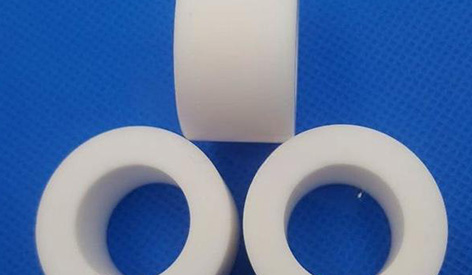
Is Teflon Safe to Use?
This is a very important question. So, is Teflon safe? For the most part, yes! When it's just sitting at room temperature, Teflon is completely safe and not poisonous. The parts made from it, like seals in a factory, are perfectly fine.
The problem starts with very high heat. If Teflon gets hotter than 500°F, it can start to break down and let off fumes. Breathing in these fumes can make people feel sick, with a headache or a cough. This temporary sickness is sometimes called Teflon flu. But don't worry! This usually only happens in factories if there's an accident. For everyday use in parts, it's very safe.
What about is Teflon coating safe? You might find Teflon coatings on machine parts that handle food, like in a food factory. When these coatings are in good condition and not overheated, they are considered safe and are approved by safety groups.
Cool Teflon Cloth and Teflon Flu
Did you know Teflon can be a fabric? Teflon fabric is a special cloth woven from Teflon fibers. It's still super slippery and tough. We use it for things like:
Filter bags in factories that catch dust but are easy to clean.
Conveyor belts that need to be non-stick to move sticky items along.
Protective covers for equipment.
Remember Teflon flu? This is the key thing to know with Teflon fabric or any Teflon part. It's not a real virus. It's just a name for feeling sick if you breathe in fumes from Teflon that is way, way too hot. So, the rule is simple: keep Teflon away from extreme heat, and everyone stays safe and healthy.
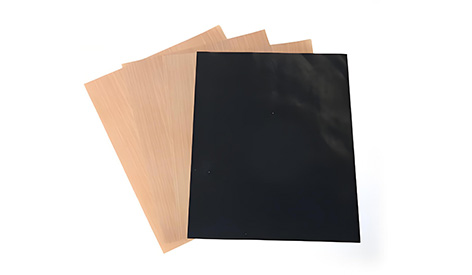
What About Coated Parts? Is All-Clad Teflon Safe?
You might have heard of "All-Clad" pans in the kitchen. They use a very strong, high-quality Teflon coating. This leads people to ask, is All-Clad Teflon safe? The answer is the same as for other coatings. When used correctly and not overheated, it is safe.
In the world of machine parts, we use Teflon coatings on metal things like slides and pistons to make them move more smoothly. These coatings are safe for the people using the machines because the parts don't get hot enough to cause any problems.
Where Do We Find Teflon Parts?
Teflon is everywhere you look!
In Cars: It's in bearings and seals to make the engine run smoothly with less friction.
In Planes: It protects wires and lines from the crazy hot and cold temperatures of flying high in the sky.
In Factories: It's used for pipes and pumps that carry strong chemicals.
In Your Electronics: It wraps around tiny wires to keep the electricity flowing in the right places.
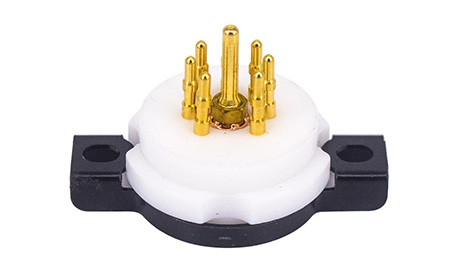
In summary, Teflon's integration into component applications offers significant advantages, from enhanced durability to chemical resistance, but it requires careful consideration of safety and properties. Addressing queries like is teflon safe and is teflon coating safe reveals that while Teflon is generally secure, proper handling is essential to avoid issues like those associated with teflon flu. The versatility of forms such as teflon fabric expands its utility in industries, while discussions on is all clad teflon safe underscore the importance of context in safety assessments. By understanding teflon properties and applying them thoughtfully, engineers can leverage Teflon to create efficient, reliable components that meet modern demands. As technology advances, ongoing research will likely yield even safer and more innovative uses, solidifying Teflon's place in industrial progress.

