


Have you ever rubbed two pieces of metal together and felt them stick or even get damaged? You call that metal galling! Metal galling happens when two metal surfaces press and slide against each other.
They can stick together so strongly that they tear when pulled apart. Think of it like squeezing two pieces of Play-Doh—they often won’t come apart cleanly!
This happens a lot in machines and tools when metal parts rub against each other too hard.
What is Metal Galling?
Why Does Galling Happen?
What is Galled Metal?
Galling in Making Things: Metal Spinning
Galling in Cutting Metal
How Do We Stop Galling?
What is Metal Galling?
Metal galling happens when two metal surfaces stick together and tear apart. This occurs because of friction and pressure between them.
Imagine sliding two ice cubes against each other. They slide smoothly. Now imagine sliding two pieces of soft cheese—they’ll probably stick and break. That’s similar to how metals like stainless steel or aluminum behave when they gall.
The scientific name for this is galling definition metal. This wear can damage or even break machines!
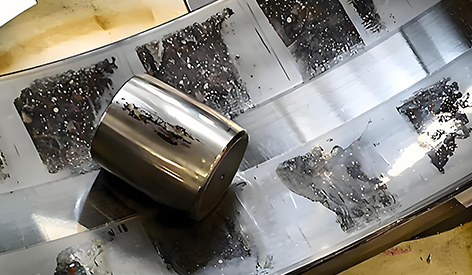
Why Does Galling Happen?
Tiny particles called atoms make up all metals. When two metals press and slide, their atoms get too close and stick together, like tiny magnets. This is even worse if the metals are soft and smooth. Dissimilar metal galling (when two different metals rub together) sometimes happens too, but usually, similar metals stick more easily.
What is Galled Metal?
Galled metal describes any metal part that galling has already damaged. It looks rough, scratched, or even lumpy—like a scratched DVD that doesn’t work well. A galled bolt won't turn—no matter how hard you try to unscrew it! Galling sticks the threads tightly together.
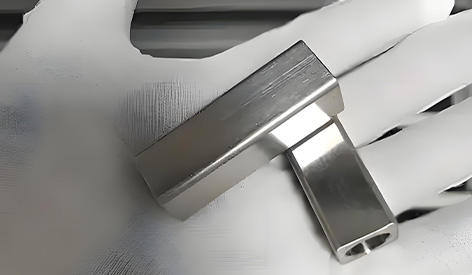
Galling in Making Things: Metal Spinning
Galling in metal spinning is a problem when people make round metal objects (like bowls or lampshades). A machine spins metal at extremely high speeds and presses it firmly into a shape. If the tool and the metal stick together, it can ruin the product. Shaping clay with sticky hands just doesn’t work well!
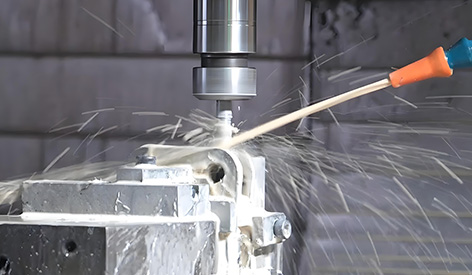
Galling in Cutting Metal
Galling metal cutting happens when cutting tools (like drill bits) get stuck to the metal they’re cutting. Think of cutting a sticky candy with a knife—if the candy is too soft, it sticks to the blade instead of cutting neatly. That’s why mechanics use lubricants (like oil) to reduce sticking.
How Do We Stop Galling?
We can prevent galling by:
Using lubricants (oils or greases) like butter on bread.
Choosing harder metals or different metal pairs (e.g., steel and bronze).
Polishing metal surfaces to make them smoother.
Even in skateboards! (By the way, Fred Gall metal skateboards isn’t a real thing—it’s a fun mix of a skater’s name and the word “metal.” This example shows how the term "galling" can appear in unexpected contexts!
So, metal galling definition is simple: it’s sticky metal trouble! No matter the situation—metal spinning, cutting, or different metals rubbing—the same issue occurs: the metals stick when they should slide. When you notice a rusty bolt or a scratched tool, you can now recognize it as an example of galled metal.” And you’ll know it’s because the metals got too friendly and stuck together!

