


The term plastic prototype manufacturing sounds complex. But it is a simple idea. It is the process of turning your digital design file into a physical plastic part.
This process is maybe the most important step in creating a new product. A good manufacturing process gives you a useful part. A part that lets you test your ideas. A part that helps you find problems. A bad process gives you a useless part. It wastes your time and money.
This guide will give you a deep look into this process. We will cover the technologies, the steps, and what makes a good manufacturing partner. The goal is to give you the knowledge to make smart choices.
content:
Why This Process Matters So Much
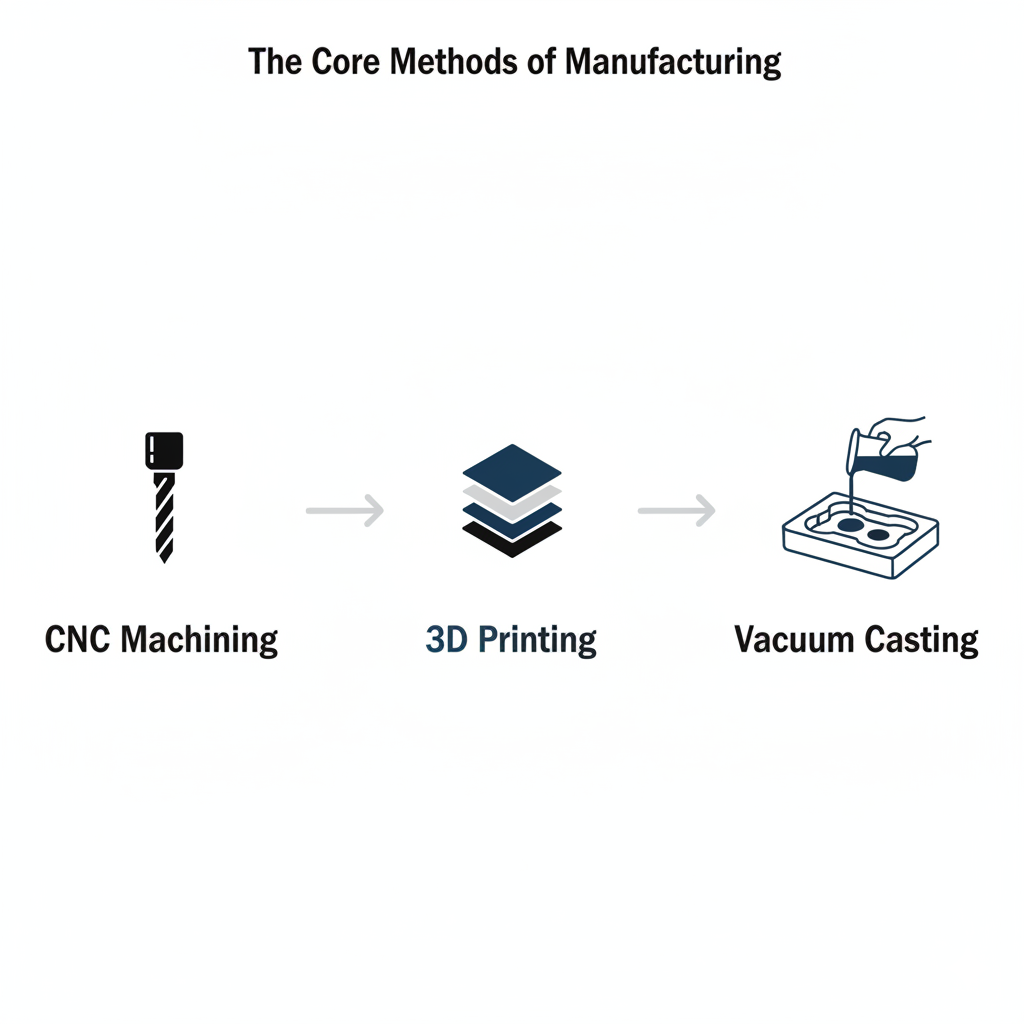
The Core Methods of Manufacturing
Your Project’s Journey: A Step-by-Step View
Finishing Touches: It’s Not Over Yet
Choosing a Good Partner Is Key
Why This Process Matters So Much
Why do you need a physical prototype? Why not just trust the computer model? There are a few very important reasons.
First, you find errors early. A part might look perfect on screen. But in the real world, it might not fit correctly. Or it might be too weak. A physical part shows you these problems when they are cheap and easy to fix.
Second, you save a lot of money. The cost of changing a design is small. The cost of changing a big, expensive steel mold is huge. Prototyping protects you from making these expensive mistakes.
Third, you can test your product with real users. You can get feedback. Do people like how it feels? Is it easy to use? This information is critical for success.
The Core Methods of Manufacturing
There are several ways to make a plastic prototype. We will focus on the three most common and useful methods. Each one has its own strengths.
CNC Machining: The Power of Precision
CNC stands for Computer Numerical Control. This process is subtractive. That means it starts with a solid block of plastic and cuts material away. A computer guides the cutting tool with extreme precision. This is the best method when you need strength and accuracy. The parts are made from real, solid thermoplastic materials. The same materials you might use in your final product. This makes CNC parts perfect for functional tests. If you need to screw parts together, test snap-fits, or put a part under stress, CNC is a great choice. Common materials for CNC are strong plastics like ABS, PC (polycarbonate), Nylon, and PEEK. The surface finish is also very good.3D Printing: The Magic of Speed and Complexity
3D printing is an additive process. It builds the part layer by layer from nothing. This is why it is also called Additive Manufacturing. Its biggest advantages are speed and the ability to create very complex shapes. Shapes that are difficult or impossible to make with CNC.SLA (Stereolithography): This uses a laser to cure liquid resin into a solid object. SLA is known for creating parts with a very smooth surface finish. It is excellent for appearance models. Parts that need to look good.
SLS (Selective Laser Sintering): This uses a laser to fuse powdered plastic, usually Nylon, into a solid part. SLS parts are very strong and durable. They are great for functional prototypes that need to be tough.
FDM (Fused Deposition Modeling): This is the most common type of 3D printing. It melts a plastic filament and deposits it layer by layer. FDM is fast and cheap. It is perfect for very early, low-cost models to just check a shape or size.
Vacuum Casting: The Smart Way to Make Small Batches
What if you need 20 or 30 parts? Making each one with CNC would be expensive. This is where vacuum casting is the perfect solution. The process starts with a perfect master pattern. This pattern is usually made with CNC or SLA. Then, a silicone mold is created around this pattern. Once the mold is ready, liquid urethane plastic is poured into it under a vacuum. The vacuum removes all air bubbles. This creates a perfect copy of the master pattern. This is a key part of plastic prototype manufacturing when you need parts for marketing, user testing, or a first small production run. The parts have a beautiful surface finish. They can be made in many different colors and textures.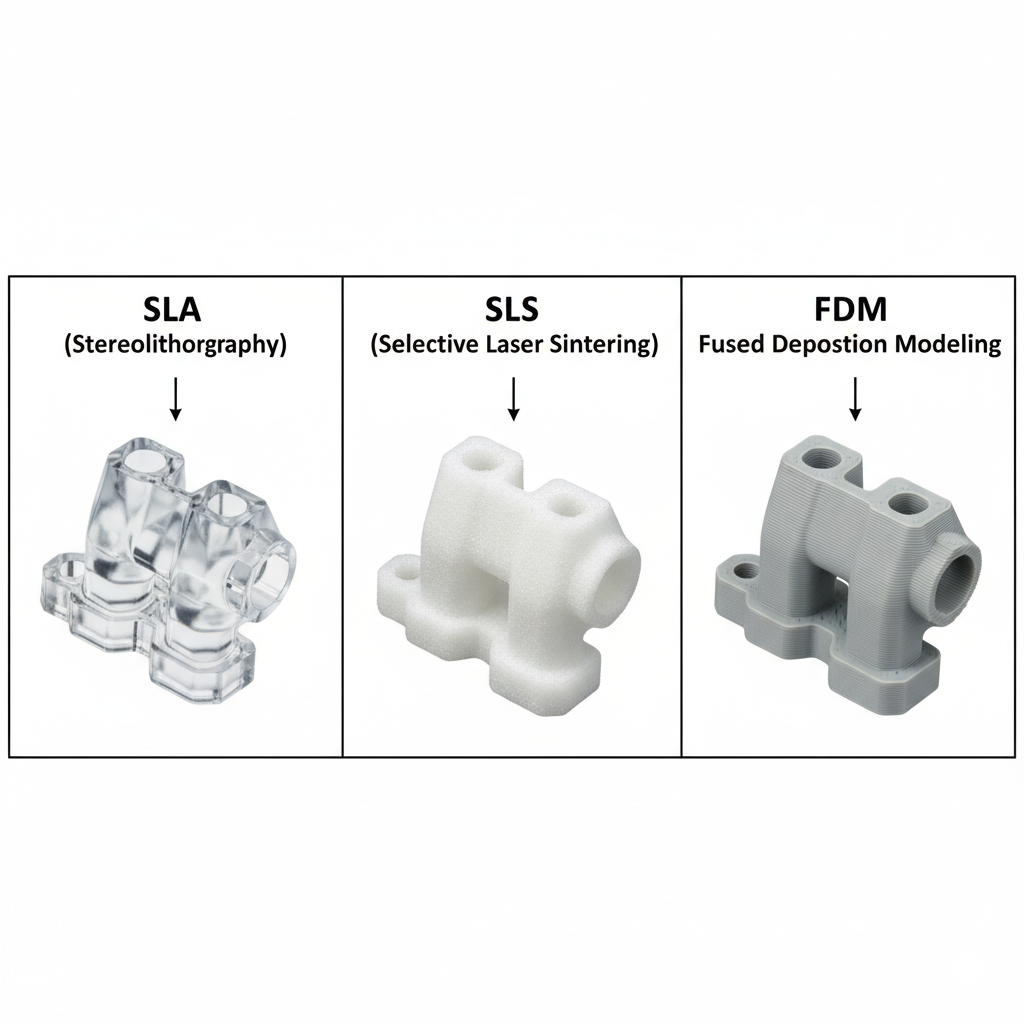
Your Project’s Journey: A Step-by-Step View
So how does this work from your side? The process is simple.
You Send Us Your File: It all starts with your 3D CAD design. You send this file to your manufacturing partner.
We Give You Feedback: This is a critical step. A good partner will not just give you a price. Our engineers will review your design. We provide DFM (Design for Manufacturability) feedback. We might suggest small changes to improve your part.
The Manufacturing Begins: Once you approve the design and quote, we start making your part using the best technology for your needs.
Quality Control Checks Everything: Your part is not finished until it passes our quality inspection. We use precision tools like CMMs to check all dimensions. We make sure it perfectly matches your design.
We Ship It to You: The finished, inspected part is carefully packaged and shipped to your door.
Finishing Touches: It’s Not Over Yet
Getting the part from the machine is often not the final step. Many prototype plastic parts need finishing touches to look and feel like a final product. This is called post-processing.
This can include:
Sanding: To make surfaces smooth and remove any small marks.
Painting: To match your brand’s specific colors.
Texturing: To give the part a specific feel, like a matte or glossy finish.
Assembly: If your prototype is made of multiple parts, we can assemble them for you.
These finishing steps are what turn a good prototype into a great one.

Choosing a Good Partner Is Key
The success of your plastic prototyping depends heavily on the partner you choose. A good partner has the right machines. A great partner also has the right people and processes.
Look for a partner with experience. A partner who offers different technologies. A partner who is serious about quality. And most importantly, a partner who communicates with you.
The manufacturing process should be a partnership. We are here to be that partner for you. We have the tools and the team to bring your design to life, correctly and quickly.

