


Powder coating has revolutionized the surface finishing industry, offering a durable, eco-friendly alternative to traditional liquid paints. This advanced method involves applying a dry powder electrostatically to a substrate, which is then cured under heat to form a tough, uniform layer. One of the most compelling aspects of powder coating is the vast array of color options available, allowing for customization across various industries, from automotive to architectural design. In this technical article, we will delve into the diverse world of powder coat colors, exploring different types, benefits, and practical considerations. By understanding these elements, manufacturers, designers, and DIY enthusiasts can make informed decisions to achieve optimal results in their projects. We'll cover everything from standard hues to specialized effects, emphasizing how color selection impacts functionality and aesthetics.
What is Powder Coating?
The Advantages of Powder Coating
Exploring Powder Coat Colors
Special Effects with Prism Powder Coating Colors
The Appeal of Flat Powder Coat Colors
Comparing Powder Coat Paint Colors
Using Powder Coating Color Samples
Creating Custom Powder Coat Colors
Application Spotlight: Powder Coat Wheel Colors
What is Powder Coating?
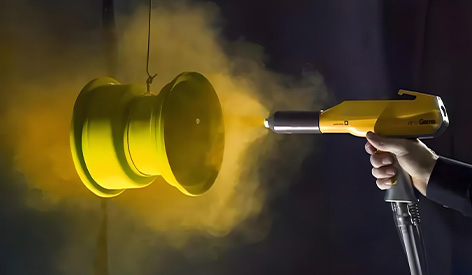
Powder coating is a dry finishing process that has gained widespread popularity due to its efficiency and environmental benefits. Unlike conventional liquid paints, which rely on solvents, powder coatings consist of finely ground particles of pigment and resin. These particles are charged electrostatically and sprayed onto a grounded object, ensuring even coverage. The coated item is then heated in a curing oven, where the powder melts and flows into a smooth, hard finish. This method minimizes waste, as overspray can often be recycled, and it eliminates volatile organic compounds (VOCs) associated with liquid paints. Powder coating is used on metals, such as steel and aluminum, and is known for its resistance to chipping, scratching, and fading. As we progress, we'll see how this process integrates with various color technologies to meet diverse needs.
The Advantages of Powder Coating
The advantages of powder coating are numerous, making it a preferred choice for many applications. Firstly, it provides exceptional durability, with finishes that can withstand harsh weather conditions, UV exposure, and chemical corrosion. This longevity reduces maintenance costs and extends the life of coated products. Secondly, powder coating is environmentally friendly, as it produces little to no hazardous waste and complies with stringent air quality regulations. Additionally, the process is highly efficient, with faster application times and minimal cleanup compared to wet paints. From an aesthetic perspective, powder coatings offer a uniform finish without drips or runs, and they come in a wide range of textures and colors. These benefits contribute to its use in industries like automotive, furniture, and construction, where both performance and appearance are critical.
Exploring Powder Coat Colors
Powder coat colors encompass a broad spectrum, from basic blacks and whites to vibrant custom shades. These colors are achieved through precise formulations of pigments, resins, and additives, which are mixed and ground into a fine powder. The result is a finish that is not only visually appealing but also highly functional, as the color can influence properties like heat reflection and light absorption. For instance, lighter shades may help in reducing heat buildup on outdoor equipment, while darker tones can hide imperfections. When selecting powder coat colors, it's essential to consider the substrate, application environment, and desired lifespan. Advances in technology have enabled the creation of metallic, glossy, and matte finishes, giving designers unparalleled flexibility. This variety ensures that powder coating can meet both industrial standards and creative visions.

Special Effects with Prism Powder Coating Colors
Prism powder coating colors are a subset of special effect finishes that add depth and dimension to surfaces. These colors incorporate reflective pigments or flakes that create a shimmering, iridescent appearance, often shifting in hue depending on the viewing angle and lighting conditions. Commonly used in automotive parts, consumer electronics, and decorative items, prism effects can mimic the look of precious metals or create unique visual experiences. The application process for prism powder coating colors requires careful control to ensure even distribution of the effect pigments, as uneven spraying can lead to blotchy results. Moreover, these finishes may involve multiple layers or clear coats to enhance durability and gloss. By integrating prism powder coating colors, manufacturers can elevate product aesthetics, making items stand out in competitive markets while maintaining the protective benefits of standard powder coatings.
The Appeal of Flat Powder Coat Colors
Flat powder coat colors, also known as matte finishes, offer a non-reflective, smooth appearance that is increasingly popular in modern design. Unlike glossy finishes, which can highlight surface imperfections, flat colors provide a subdued, elegant look that minimizes glare and fingerprints. This makes them ideal for applications where a low-key aesthetic is desired, such as in architectural elements, machinery, and furniture. Flat powder coat colors are formulated with additives that reduce light reflection, resulting in a velvety texture. However, they may require more frequent cleaning in high-traffic areas, as they can show dirt more easily than glossier options. Despite this, their ability to convey sophistication and professionalism has led to widespread adoption in industries like interior design and automotive customization, where subtlety is valued over flashiness.

Comparing Powder Coat Paint Colors
When discussing powder coat paint colors, it's important to distinguish them from traditional liquid paint options. Powder coat colors are inherently more durable and environmentally friendly, as they lack solvents and dry through curing rather than evaporation. This results in a thicker, more consistent layer that resists chipping and fading better than many liquid paints. In terms of color range, powder coatings have caught up with liquids, offering everything from solid shades to complex metallics and textures. However, powder coat paint colors may have limitations in achieving certain very thin coats or intricate blends that are easier with liquid systems. On the plus side, powder applications tend to have higher transfer efficiency, meaning less waste and lower overall costs. For projects requiring robust protection and vibrant hues, powder coat paint colors often outperform their liquid counterparts.
Using Powder Coating Color Samples
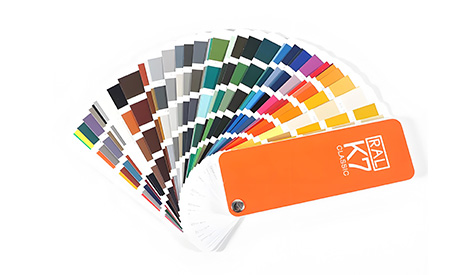
Powder coating color samples are invaluable tools for making informed decisions in the finishing process. These samples, typically provided as physical swatches or digital renders, allow customers to visualize how a color will appear on their specific substrate and under different lighting conditions. By examining powder coating color samples, one can assess factors like hue accuracy, texture, and compatibility with the intended environment. For example, a color that looks vibrant in a catalog might appear different on a large surface or when exposed to sunlight. Many suppliers offer custom sample services, where small batches are produced to test adhesion and durability before full-scale application. This step helps prevent costly mistakes and ensures that the final product meets expectations. In industrial settings, using powder coating color samples is a standard practice to maintain quality control and client satisfaction.
Creating Custom Powder Coat Colors
Custom powder coat colors enable businesses and individuals to achieve unique, brand-specific finishes that are not available in standard lines. This process involves working with manufacturers to develop tailored formulations by adjusting pigment ratios, adding special effects, or incorporating specific functional properties. For instance, a company might request a custom powder coat color that matches its corporate logo exactly, or a designer might seek a hue with enhanced UV resistance for outdoor use. The creation of custom colors often begins with a detailed consultation, followed by lab testing to ensure consistency and performance. While this option can be more expensive and time-consuming than selecting from existing palettes, it offers unparalleled creative freedom. Industries such as automotive, aerospace, and consumer goods frequently leverage custom powder coat colors to differentiate their products and enhance market appeal.
Application Spotlight: Powder Coat Wheel Colors
Powder coat wheel colors are specifically engineered for the demanding conditions faced by automotive wheels. These colors must withstand exposure to road debris, brake dust, moisture, and temperature fluctuations without compromising appearance or integrity. Common choices include durable blacks, silvers, and bronzes, but adventurous options like bright reds or chromes are also popular for customization. The application process for powder coat wheel colors involves thorough cleaning and pretreatment of the wheel surface to ensure adhesion, followed by precise spraying and curing. This results in a finish that resists chipping, corrosion, and fading, extending the life of the wheels and maintaining their aesthetic appeal. Many car enthusiasts and professional restorers prefer powder coating over painting because of its robustness and the wide range of available powder coat wheel colors, which can transform the look of a vehicle while providing long-lasting protection.

In conclusion, the world of powder coating is rich with color possibilities that blend functionality with creativity. From the durability and eco-friendliness of the process to the diverse options like prism effects, flat finishes, and custom hues, powder coating offers solutions for nearly every application. By utilizing tools such as color samples and understanding the specific demands of uses like wheel coatings, stakeholders can achieve outstanding results. As technology advances, we can expect even more innovations in powder coat colors, further expanding their role in industry and design. Whether for practical protection or artistic expression, powder coating remains a versatile and reliable choice.

