


Powder coating has revolutionized the surface finishing industry, offering a durable, efficient, and environmentally friendly alternative to traditional liquid paints. This advanced method involves applying a dry, free-flowing powder to a substrate, typically metal, which is then cured under heat to form a hard, protective layer. As industries seek sustainable and high-performance solutions, powder coating has gained prominence across various sectors, including automotive, construction, and consumer goods. Its versatility stems from the ability to customize finishes, enhance material longevity, and reduce waste. In this article, we will explore key aspects of powder coating, from its advantages and equipment to specific applications like vehicle and aluminum coating, providing a comprehensive overview for professionals and enthusiasts alike.
content:
Why Powder Coating is So Great
How the Powder Coating Process Works
Tools Used in Powder Coating
Fun with Powder Coat Colors
Custom Powder Coating for Special Needs
Powder Coating on Different Types of Metal
Special Case: Powder Coating Aluminum
Powder Coating on Vehicles
What is Powder Coating?
Powder coating is like giving metal objects a tough, colorful skin that protects them and makes them look great. Imagine using a special kind of powder instead of liquid paint to color something. This powder is made from tiny particles that stick to metal when they're charged with electricity. After the powder is on, the object goes into an oven where the heat melts the powder into a solid layer. This layer is much stronger than regular paint and can last for years without chipping or fading. People use it on all sorts of things, from chairs and fences to car parts, because it's a smart way to keep stuff looking new.

Why Powder Coating is So Great
There are many good reasons why people choose powder coating over old-fashioned paint. First, it's better for our planet because it doesn't release harmful chemicals into the air like some paints do. That means it's safer for animals, plants, and us! Also, powder coating is super strong—it doesn't scratch, peel, or rust easily, so things stay beautiful even if they're used outside in rain or sun. Another cool part is that it saves money and materials. If some powder doesn't stick during spraying, it can be collected and used again, so there's less waste. Plus, the finish looks smooth and even, covering every part of the object without drips or bumps. These advantages make it a popular choice for factories and artists who want things to last a long time.Advantages of powder coating and many more.
How the Powder Coating Process Works
The powder coating process is like following a recipe to bake a cake, but for metal! It has a few simple steps. First, the metal object is cleaned really well to remove any dirt, oil, or rust. This is important because if the surface isn't clean, the powder won't stick properly. Think of it like washing your hands before putting on gloves. Next, the clean object is sprayed with the powder using a special gun that uses electricity to make the powder particles stick to the metal. It's kind of like using a magnet—the powder is attracted to the object. After that, the object is placed in a big oven. The heat from the oven melts the powder, turning it into a hard, smooth coat. This whole process is quick and efficient, often taking just a few minutes, and it gives the object a protective shell that won't easily wear off.
Tools Used in Powder Coating
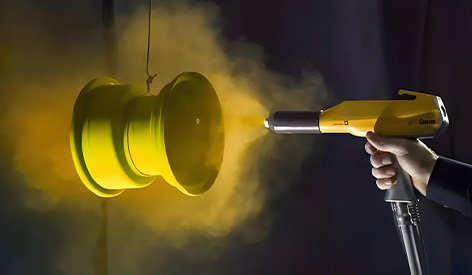
To do powder coating, people need special equipment that makes the job easy and safe. The main tool is a powder spray gun, which shoots out the powder and uses electricity to help it stick evenly. There are different types of guns—some are held by hand, and others are machines that work automatically in big factories. Then, there's a powder booth, which is like a small room that catches any extra powder so it doesn't fly everywhere. This booth often has a system that collects the unused powder to reuse it later. Curing ovens are another big part—they're like giant toasters that heat the coated objects to melt the powder. Other tools include washers for cleaning the metal and hoppers that hold the powder ready for spraying. With the right equipment, powder coating can be done for small projects or huge production lines.
Fun with Powder Coat Colors
One of the best things about powder coating is the huge variety of powder coat colors you can choose from! It's like having a giant box of crayons with every shade imaginable. You can pick basic colors like red, blue, or black, or go for fancy ones like metallic silver, glittery finishes, or even textures that feel rough or smooth. The colors stay bright for a long time because they're designed to resist fading from the sun. If someone wants a specific color to match their favorite toy or a company logo, they can even have it custom-made. This makes powder coating perfect for making things unique and personal, whether it's a bike frame or a street sign.

Custom Powder Coating for Special Needs
Sometimes, people need something extra special, and that's where custom powder coating comes in. This means creating a finish that's just right for a particular job. For example, you might want a coating that stops graffiti from sticking, or one that kills germs for use in hospitals. Custom powder coating can make surfaces look like wood, stone, or other materials, even though they're really metal. Experts work with customers to mix colors, add layers for extra protection, or adjust how thick the coat is. This is great for things like sports equipment or space gadgets that need to be tough and look cool. It shows how flexible powder coating can be for all kinds of projects.
Powder Coating on Different Types of Metal
Powder coating metal is a common practice because it helps protect all sorts of metals from damage. Metals like steel, iron, and others can get rusty or worn out, but powder coating acts like a shield. It keeps water, chemicals, and everyday bumps from harming the metal. The process can be tweaked depending on the metal—for instance, some metals need a special primer first to help the powder stick better. This versatility makes powder coating useful for everything from home furniture to big machines in factories. No matter what metal you have, powder coating can make it last longer and stay looking fresh.
Special Case: Powder Coating Aluminum
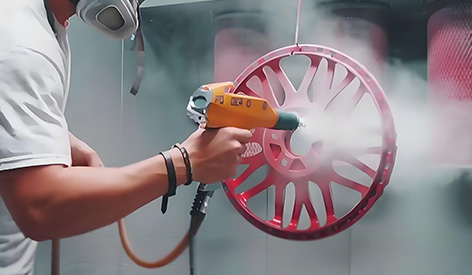
When it comes to powder coating aluminum, it's especially helpful because aluminum is lightweight but can corrode over time. Aluminum is often used for things like window frames, ladders, or soda cans because it's easy to shape and doesn't weigh much. Before coating, aluminum is treated with a solution to prevent rust and help the powder adhere. Then, the powder coating adds a tough layer that fights off weather, saltwater, and sun exposure. This makes it ideal for outdoor items like patio furniture or boat parts. Plus, the coating is thin and even, so it doesn't make the aluminum heavy or change its shape. That's why industries like aerospace and cars love using powder coating on aluminum parts.
Powder Coating on Vehicles
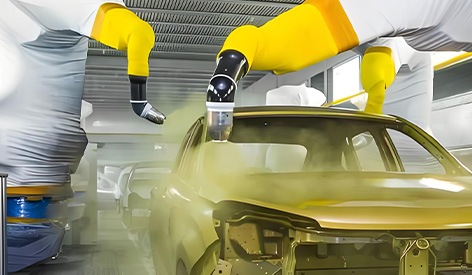
In the world of cars and trucks, vehicle powder coating is a big deal. It's used on parts like wheels, frames, and engines to make them super strong and good-looking. For example, if a car wheel is powder coated, it can handle rocks, mud, and weather without getting damaged. This type of coating also lets people customize their vehicles with cool colors and effects, which is fun for car fans and racers. Big vehicles like buses and trucks use it too because it reduces the need for repaints and saves money over time. So, next time you see a shiny bike or a tough-looking truck, remember that powder coating might be the secret behind its durability and style!
Powder coating stands as a robust and adaptable surface finishing technique that addresses modern industrial needs for sustainability, durability, and customization. From its environmental advantages and diverse color options to specialized equipment and applications on metals like aluminum and vehicles, this method continues to evolve with technological advancements. As industries prioritize efficiency and eco-friendliness, powder coating is poised to expand into new realms, driven by innovation in materials and processes. By understanding its core elements, businesses can leverage this technology to achieve superior results, fostering growth and competitiveness in a dynamic market landscape.

