


Mechanical reality often acts as the primary assassin of autonomous innovation. In the high-velocity environment of 2026, robotics startups face a brutal "Hardware-Software Mismatch": while code can be compiled in seconds, a physical prototype robot chassis often takes weeks to source, creating a dangerous bottleneck that drains seed capital. If your motor mounts flex under load or your internal cabling path is too cramped, the entire project stalls. Navigating this requirement for extreme iteration speed requires the strategic deployment of Robotics Automation Manufacturing. Jucheng Precision operates as a high-fidelity manufacturing sanctuary in the Shenzhen precision manufacturing hub, providing the technical depth to transform digital intent into physical, walking hardware in as fast as 72 hours. We don't just "print parts"; we engineer a specialized iterative engine that ensures your first mechanical manifestation is structurally sovereign and boardroom-ready.
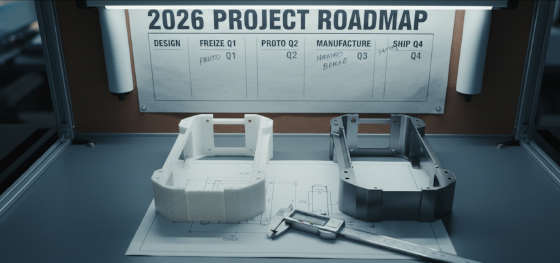
Establishing a resilient launch for disruptive robotics demands the rejection of linear manufacturing. Amateurs often spend three months building a single prototype robot using hobbyist-grade tools, only to realize the structural modulus is insufficient for real-world environmental testing. Jucheng Precision eliminates this "Capability Gap" by providing an integrated ecosystem of industrial 3D printing, 5-axis CNC machining, and vacuum casting. Whether you are developing a quadruped for last-mile delivery or a specialized effector for Medical Robotics, our facility provides the material science and metrological rigor required for 2026 market entry. We turn "Bill of Materials" chaos into "Single-Source" certainty, delivering T1 samples while the iron is still hot. This guide deconstructs the necessity of multi-process iteration, the physics of dimensional space audits, and why JUCHENG’s "Agility Protocol" is the mandatory foundation for anyone developing prototype robot hardware.
content:
Rapid Iteration Physics: Why Speed Dictates Robot Success
Dimensional Validation: Using SLA and FDM for Space Audits
Functional Durability: Machining Real Aluminum for Motor Torque
Transition Dynamics: Bridging from Mockup to Low Volume
JUCHENG Protocol: 72-Hour Turnaround for Robotic Innovators
Frequently Asked Questions: Prototype Robot Hardware
Rapid Iteration Physics: Why Speed Dictates Robot Success
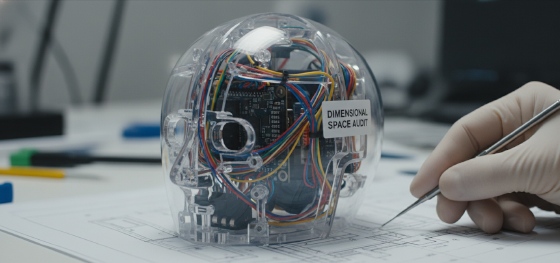
Iteration velocity in robotics hardware is governed by the 72-hour turnaround window. The primary reason prototype robot programs fail is the inability to quickly correct "Fit and Finish" errors found during early assembly. Jucheng Precision recognizes that a robot is a dense ecosystem of motors, sensors, and structural frames. We utilize Low Volume Injection Molding and rapid CNC to ensure that if a design error is discovered on Monday, a corrected physical part is back on your assembly bench by Thursday. This speed is vital for securing venture capital; investors in 2026 value "Time-to-Physical-Alpha" more than any other hardware metric. We provide the manufacturing insurance needed to ensure your design team can fail fast, fix accurately, and succeed profitably.
Dimensional Validation: Using SLA and FDM for Space Audits
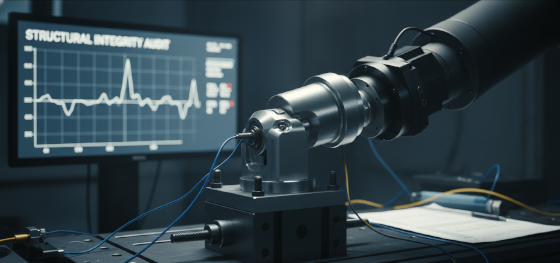
Molecular fidelity and sub-micron resolution are mandatory for electronic "Space Audits." Stereolithography (SLA) provides the necessary geometric precision to verify that your dense internal PCB stacks and high-torque actuators fit perfectly within their designated cavities. For your prototype robot, Jucheng Precision utilizes specialized high-resolution resins that simulate the translucency of production-grade plastics. This allows engineers to visually confirm that internal cabling won't be pinched by mounting bosses during movement. While 3D printing is insufficient for structural loads, it is the undisputed king of "Visual Fitment." We utilize industrial-grade SLA and FDM systems to deliver full-scale mockups in days, ensuring your service robots have the ergonomic soul and assembly integrity intended in the digital CAD file.
Functional Durability: Machining Real Aluminum for Motor Torque
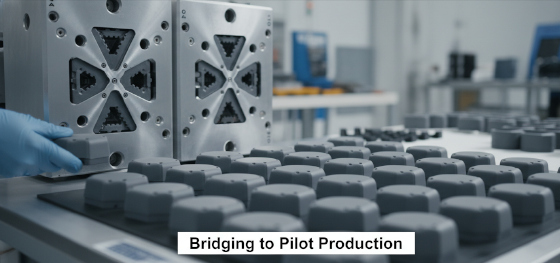
Structural truth is only found in real metals and high-modulus polymers. A prototype robot that cannot walk because its ankles flex or its motor mounts vibrate is a failure that provides zero data on control algorithms. Jucheng Precision utilizes 5-axis CNC machining to carve structural joints and linkages from aerospace-grade 6061-T6 aluminum or 30% glass-filled Nylon. These materials provide the flexural modulus and tensile strength needed to withstand peak motor stall torque without permanent deformation. We understand that for industrial robot parts, the interface between the actuator and the frame is a high-stress "Thermal and Mechanical Junction." Our machining bays ensure that bearing seats are concentric to +/- 0.01mm, effectively eliminating the mechanical noise that ruins sensor feedback. We don't just provide "mockups"; we deliver mechanical assets certified for survival in high-mass dynamic testing.
Transition Dynamics: Bridging from Mockup to Low Volume
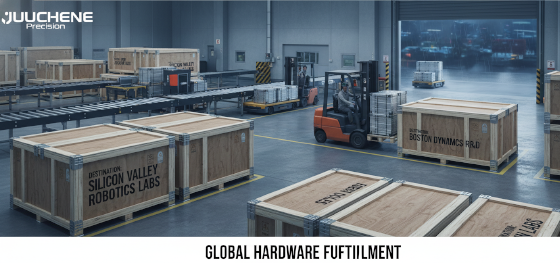
Manufacturing velocity shifts from "Solitary Prototype" to "Pilot Batch" as the design matures. Once your prototype robot has proven its walking or rolling logic, you require 10 to 50 identical units for beta testing and field trials. Jucheng Precision utilizes polyurethane vacuum casting and rapid aluminum tooling to bridge this "Valley of Death." By utilizing a CNC-machined master pattern, we can produce a batch of 20 high-fidelity enclosures in as fast as 7 days. These parts possess the Injection molding materials properties required to pass UL 94 V-0 flame ratings and environmental soak tests. We provide the "Strategic Bridge" that allows your brand to fulfill early adopter orders while the mass-production steel molds are still being cut. We turn a single experimental unit into a consistent fleet, documented for market entry.
JUCHENG Protocol: 72-Hour Turnaround for Robotic Innovators
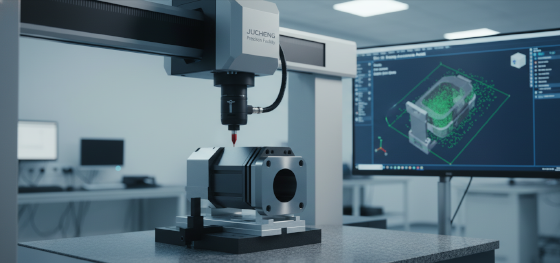
Engineering excellence at Jucheng Precision is built on the foundation of single-source accountability for hardware startups. We recognize that in the robotics sector, a part that fits Monday but drifts Tuesday is a liability. Our integrated facility, housing over 150 CNC machines and elite 3D printing bays, is optimized for the aggressive "Design-Build-Test" cycle of autonomous systems. We provide full material lot traceability and CMM inspection reports for every prototype robot batch, ensuring your project meets the strict requirements of the automotive and medical industries. Stop gambling your program’s timeline on slow vendors. Leverage our decade of high-speed replication mastery to validate rapidly and launch profitably. Contact our technical team today for a free DFM review and see how we can turn your digital robotics intent into a structurally sovereign physical reality.
Frequently Asked Questions: Prototype Robot Hardware
Question: How fast can JUCHENG deliver a full CNC-machined chassis for a **prototype robot**?
Answer: Utilizing our expedited 5-axis CNC workflow, we can deliver complex aluminum or magnesium structural frames in as fast as 3 to 5 business days from CAD approval.
Question: Can I test real production plastics in the prototype phase?
Answer: Yes. By utilizing our rapid aluminum prototype injection molding services, you can inject real ABS, PC, or Nylon resins to verify shrinkage and mechanical properties before mass production.
Question: How do you ensure the weight of the prototype robot is accurate to the CAD?
Answer: We perform digital weighing and metrological audits on every structural part. We also suggest lightweighting strategies like "Pocketing" and "Hollowing" during our complimentary DFM review.
Question: Is JUCHENG equipped to handle custom robotic end-of-arm tooling prototypes?
Answer: Absolutely. We provide specialized MJF 3D printing and soft urethane overmolding to create agile, lightweight grippers and effectors in days.

