


Securing multiple distinct panels, card guides, and mounting brackets into a unified, high-integrity chassis requires a deep understanding of mechanical force distribution. Specifying the correct sheet metal joining methods during the layout phase ensures that your custom enclosures, heavy-duty racks, and medical diagnostic carts maintain absolute physical alignment under severe continuous vibration. This critical integration stage represents a major milestone in custom sheet metal fabrication, directly determining whether your finished product can handle structural stress or fails prematurely in the field.
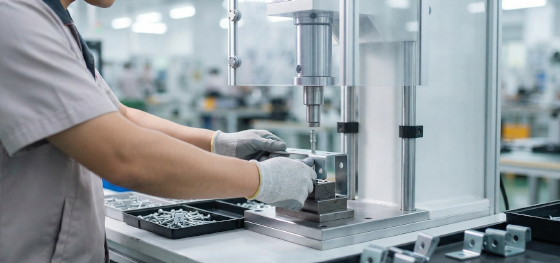
Suffer from warped enclosure doors, misaligned screw holes, or weak seams that crack under physical impact? Running high-temperature weld arcs across thin-gauge sheets often induces localized thermal warping, while using standard screws on thin plates can lead to stripped threads and loose joints. Transitioning to a combination of high-strength thermal welds, mechanical cold-locking fasteners, and advanced structural adhesives completely eliminates these assembly failures.
Let's explore the physical trade-offs between metallurgical and mechanical bonds, analyze when to choose TIG/MIG welding over rivets for permanent strength, and review how industrial tapes deliver cosmetic, thread-free joints.
Metallurgical vs. Mechanical Joining
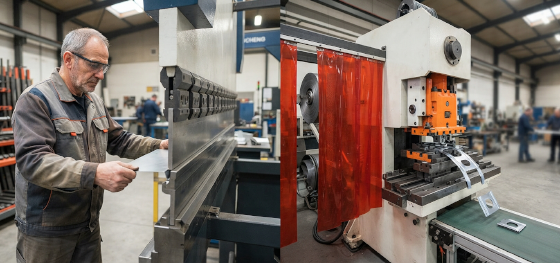
What are the fundamental metallurgical and mechanical trade-offs of different sheet metal joining methods?
Metallurgical joining melts parent metals to fuse them permanently at the molecular level, while mechanical joining utilizes cold force to lock plates together using hardware.
To optimize your manufacturing budget, understanding these two opposing joint philosophies is vital. Thermal welding is the standard choice for permanent assemblies requiring maximum shear and tensile strength. However, introducing intense heat always carries a high risk of heat distortion, particularly on thin sheets under 1.5mm.
Conversely, cold mechanical fastening (utilizing mechanical fasteners like rivets, PEM inserts, or Tox clinching) operates entirely at room temperature. This cold processing completely prevents heat warping, eliminates weld-spatter defects, and preserves pre-painted or galvanized surface finishes. This makes cold-joining highly economical for high-density electronic chassis where cosmetics and dimensional accuracy are paramount.
Welding and Brazing for Permanent Structural Strength
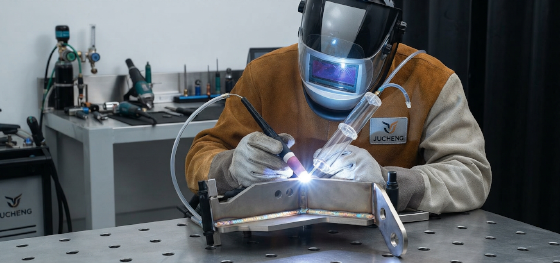
When does a product design require thermal welding or brazing over mechanical fasts?
Specify thermal welding when your application demands continuous watertight or gastight seals, permanent structural strength, and zero hardware protrusion.
When your custom cabinets must handle heavy industrial loads or survive high-pressure washdowns, thermal fusing is essential. Our certified operators execute precise TIG and MIG welding, using high-tensile filler rods to fuse the joint lines into a single, unified metal structure. For high-volume assemblies with overlapping flanges, we utilize resistance spot welding to stamp out secure weld spots in milliseconds with zero filler material requirements.
For delicate, thin-gauge copper busbars and brass fittings, we perform high-strength brazing. Brazing operates at lower temperatures than welding, melting a filler metal with a lower melting point to capillary-flow into the joint. This prevents burn-through defects and minimizes the heat-affected zone, delivering highly conductive, hermetically sealed joints for electrical and thermal systems.
Adhesives and VHB Tapes for Cosmetic Enclosures
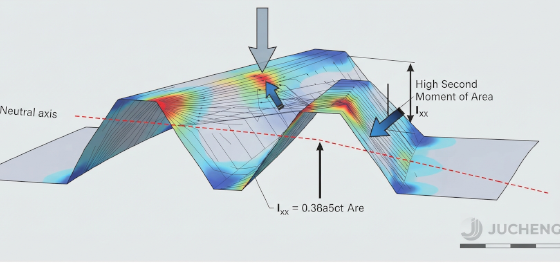
How do modern structural adhesives and double-sided tapes deliver strong, thread-free joints?
They distribute mechanical stress evenly across the entire surface area of the joint, preventing stress concentration points while keeping exterior surfaces completely flush.
For premium consumer appliances, medical analyzer faceplates, and luxury audio housings, visible weld beads or protruding rivet heads are highly undesirable. To achieve completely smooth, flush outer surfaces, we utilize high-strength structural adhesives and double-sided VHB (Very High Bond) tapes. These modern polymers distribute physical stress uniformly across the joint, preventing the localized stress concentration points common with screws.
In addition to providing flawless aesthetics, structural bonding provides outstanding vibration dampening and acts as a built-in sealing gasket. However, executing successful adhesive joints requires meticulous surface preparation. Our finishing team runs the metal through chemical degreasing and light abrasive sanding, ensuring that the polymer locks tightly onto the bare steel or aluminum surface, delivering a durable bond that resists fatigue.
Expert Assembly Services for Every Joining Method at Jucheng
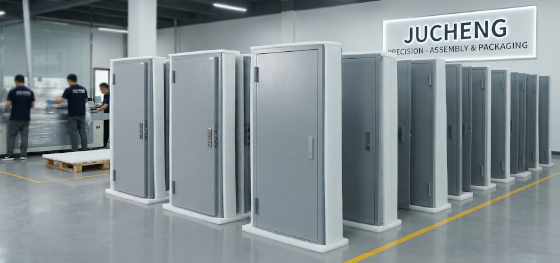
How does Jucheng Precision help you select and execute the ideal sheet metal joining methods?
We operate high-power fiber lasers, advanced benders, certified welding booths, and automated hardware insertion presses under a unified quality system.
Integrating these protective prep steps, precise bends, and joint setups into your early sheet metal design cycle is the single most effective way to eliminate assembly bottlenecks. Jucheng Precision houses these advanced automated benders, laser cutters, and assembly lines inside our 8000-square-meter facility, ensuring that your parts are cut, folded, painted, and completely integrated under one roof with extreme quality control. Selecting the optimal sheet metal joining methods is essential to ensuring full structural repeatability.
We process a wide range of materials, including lightweight aluminum, high-yield stainless steel, and easily formable carbon steel during high-precision sheet metal fabrication cycles. Our technical department provides a 24-hour free DFM analysis to check your CAD models, checking tolerances and hinge clearances before production. Supported by our no MOQ policy and rapid delivery guarantee, we manage your project from initial flat pattern cutting to final, high-durability powder coating and assembly.
FAQ: Critical Questions About Sheet Metal Joining Methods
Our engineering team has compiled professional solutions to the most common quality and cost challenges faced by product developers:
What is the best way to join thin sheet metal panels without causing heat warping?
To join thin sheets (under 1.5mm) without inducing heat warping, we strongly recommend cold mechanical fastening methods such as self-clinching PEM hardware, pop rivets, or Tox clinching. If permanent welds are mandatory, we deploy high-speed resistance spot welding or low-heat laser welding to minimize the thermal heat-affected zone, keeping your flat panels flat.How do you prevent galvanic corrosion when joining dissimilar metals?
Galvanic corrosion occurs when two electrochemically different metals contact each other in a damp environment. To prevent this, we utilize zinc-plated fasteners, insert non-conductive nylon washers, or apply protective chemical conversion films to physically isolate the aluminum from the steel.Why is a custom-designed assembly fixture critical for low-volume production?
Manual assembly is highly prone to positioning errors and cumulative tolerance stack-ups. Designing custom, high-precision assembly fixtures to physically clamp separate parts in place during riveting or welding ensures that every finished box-build matches your strict specifications with extreme repeatability.How does Jucheng Precision guarantee the structural integrity of custom sheet metal joining methods?
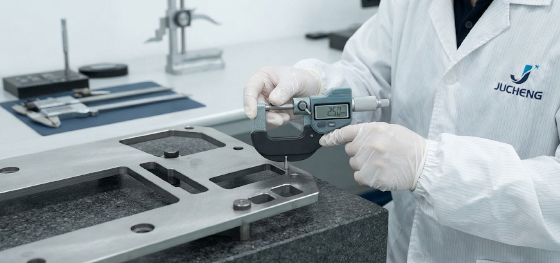
We operate an ISO 13485 and IATF 16949 certified facility, running advanced coordinate measuring machines (CMM) to inspect dimensional tolerances at multiple points. Our quality control team conducts full mechanical testing and visual audits, ensuring every custom enclosure assembly complies with your strict technical requirements.

