


Feeling the brittle snap of a 3D-printed enclosure during a high-stakes field trial is a wake-up call for any hardware developer: form is not function. In the current robotics and MedTech landscape, the gap between a desktop mock-up and a market-ready machine must be bridged with materials that respect the laws of physics. While additive manufacturing is excellent for early fit-checks, it cannot replicate the structural unyieldingness or the 100% solid density required for load-bearing hardware. Mastering RIM polyurethane prototyping is the essential strategy for teams who need to validate their designs with production-intent resins, ensuring that every impact test and thermal cycle provides data that translates directly to mass manufacturing. By utilizing custom reaction injection molding, innovators can launch Beta fleets that look and behave like multi-million dollar products without the crushing lead times of traditional steel tools.
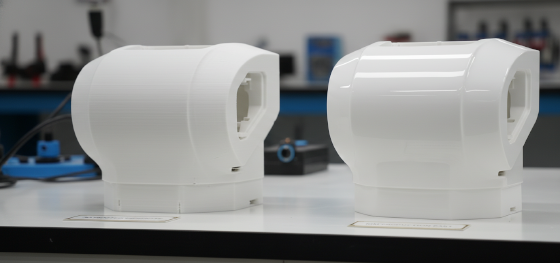
Mechanical integrity at the R&D stage depends on the transition from "Simulation" to "Reality." I have personally witnessed projects saved from total redesign because the first molded prototypes revealed assembly stresses that 3D prints were too flexible to show. Jucheng Precision addresses these high-stakes hurdles by providing high-tier Rapid Prototyping Services that prioritize mechanical fidelity. Jucheng Precision utilize a fleet of 150+ CNC machines and 25 5-axis Haas/Mazak units to manufacture the rapid aluminum tools that make high-velocity iteration possible. By delivering a 24-hour DFM analysis, Jucheng Precision helps engineers optimize their internal ribbing and boss geometries, ensuring that your low volume RIM molding batch is delivered with zero surface defects in our Shenzhen factory hub.
Operating under the global quality mandates of ISO 13485 and ISO 14001, Jucheng Precision serves as the strategic fabrication partner for global OEMs. Jucheng Precision transforms raw liquid chemistry into validated structural hardware with 4-day rapid delivery for initial functional samples. This guide explores the essential lead-time compression strategies, the physics of material simulation, and the structural validation required for mastering RIM polyurethane prototyping to ensure your innovation survives the jump from the laboratory to the commercial industrial floor.
content:
Speed to Market: Getting T1 Samples in 15 Business Days
Technical Data: Simulating Production ABS and PP Properties
Functional Validation: Stress-Testing Large Scale Assemblies
JUCHENG Solution: The High-Velocity Iteration Hub in Shenzhen
FAQ: Real Answers for Sizing, Cost, and Prototyping Logistics
Speed to Market: Getting T1 Samples in 15 Business Days
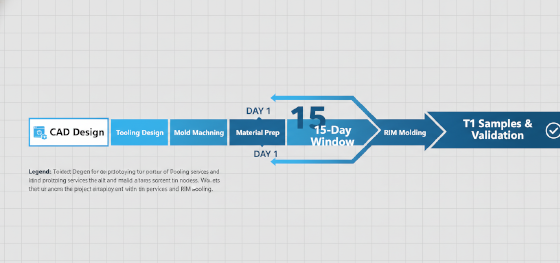
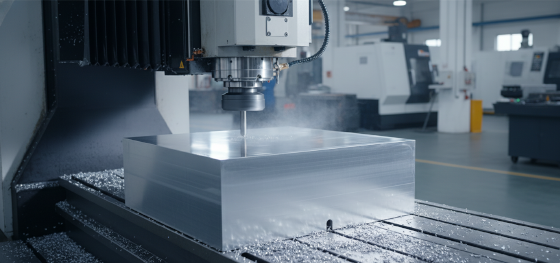
The first rule of successful hardware iteration is beating the seasonal planting window or the medical conference deadline. In the context of RIM polyurethane prototyping, the primary schedule advantage is the use of high-strength aluminum tooling. Traditional injection molding lead times are often 8 to 12 weeks because hardened steel is slow to machine and requires multi-stage heat treatment. Jucheng Precision utilize aerospace-grade aluminum that can be CNC machined three times faster than steel. This allows Jucheng Precision to move from a CAD sign-off to a 1.5-meter long mold base in as little as 10 business days, ensuring your initial parts are in the lab while your competitors are still negotiating their tooling quotes.
How to cut prototyping lead times by 50%?
Utilize a partner that performs 100% in-house tool making and finishing, eliminating the multi-week logistical delays of third-party texture and painting shops.
Geometric flexibility is the second pillar of rapid iteration. I have seen many robotics teams realize mid-trial that they need an extra sensor port or a thicker structural rib. Because aluminum is highly weldable and machinable, Jucheng Precision can update an existing RIM tool in 48 hours for a fraction of the cost of a new tool. This agile tooling capability ensures that your hardware development moves at the speed of your software sprints. By delivering parts with a Ra 0.8 surface finish directly off the mold, Jucheng Precision removes the need for labor-intensive hand-sanding, accelerating your transition to high-gloss automotive painting and retail-ready branding.
Setup efficiency in our Shenzhen hub is managed through modular universal mold bases. Instead of building a complete tool from scratch for every Alpha unit, Jucheng Precision often machines only the specific cavity and core inserts. This strategy reduces raw material waste and allows our CNC machines to start cutting your geometry within hours of DFM approval. This level of logistical readiness is essential for high-stakes projects where a delay of even three days can mean losing a year-long diagnostic contract or a military hardware bid. Jucheng Precision provides the unyielding speed your innovation requires.
Technical Data: Simulating Production ABS and PP Properties
Success in hardware validation depends on the material's ability to mirror the final production resin. If your design assumes the toughness of Polypropylene but you receive a brittle model, your crash data is useless. Jucheng Precision provides full material characterization reports for all RIM polyurethane prototyping runs. We formulate our resins to simulate the exact Shore hardness, flexural modulus, and heat deflection of production-grade thermoplastics. The following table compares the essential performance metrics for the current MedTech and robotic markets.
| Simulated Property | Rigid PU (ABS-like) | Elastomeric PU (PP-like) | R&D Benefit |
|---|---|---|---|
| Flexural Modulus (psi) | 280,000 - 320,000 | 5,000 - 50,000 | Predictable Deflection |
| Impact Strength (J/m) | 450 - 600 | No Break (Ductile) | Field Trial Survival |
| Heat Deflection (°C) | 95 - 110 | N/A (Soft) | Handles internal GPU heat |
| Chemical Resistance | Excellent (Alcohols) | High (Grease/Oils) | Resists clinical wipe-downs |
The data proves that RIM materials offer a level of "Mechanical Authenticity" that prototyping resins from 3D printers simply cannot match. Because RIM parts are cross-linked at a molecular level, they do not suffer from the stress whitening or brittle fractures associated with layered plastics. Jucheng Precision utilize this chemistry to produce structural robot chassis and medical shrouds that survive the 10-G impact of a transport collision or the repeated chemical assault of bleach disinfection. This material integrity ensures your Alpha and Beta trial data is statistically stable, providing a secure foundation for your future high-volume production launch.
Functional Validation: Stress-Testing Large Scale Assemblies

Proving the structural safety factor of a 100kg autonomous vehicle requires hardware that doesn't lie. During RIM polyurethane prototyping, the enclosure is often used as the primary frame to support internal drive-trains and heavy battery packs. If the material choice is too soft, the motor mounting points will flex, leading to gearbox binding and audible mechanical noise. Jucheng Precision addresses these structural concerns by utilizing variable wall thickness limits (3mm-15mm). We can mold a 3.5mm aesthetic face with 12mm thick structural ribs on the back, providing the unyielding foundations required for high-torque robotic joints without the surface sink marks found in injection molding.
How to ensure seal integrity on large prototypes?
Jucheng Precision utilize precision CNC-machined gasket grooves in the RIM shell, ensuring a constant 360-degree compressive force for IP67 environmental protection.
Encapsulation of sensors is the secondary mission of functional prototyping. For robots operating in muddy agricultural fields or dusty construction sites, the "Autonomy nerves" must be hermetically sealed. Jucheng Precision specializes in overmolding large aluminum frames and electronic boards directly into the polyurethane shell during the RIM cycle. This created a monolithic part that is shock-proof and watertight. I’ve seen our clients move from a box of separate components to a single "Ready-to-Assemble" module in weeks, effectively slashing their internal assembly labor and improving the long-term reliability of their machine in the field.
Dimensional stability after aging is the final hurdle of validation. Many prototypes look perfect on day one but sag months later after being exposed to the heat of the summer sun or the vibrations of an industrial floor. Jucheng Precision perform mandatory post-molding thermal stabilization in our Shenzhen hub, oven-curing every high-precision shell at 80 degrees Celsius. This "Locks-In" the molecular lattice, ensuring that the sub-millimeter fitment we achieve in the factory is the same fitment your customers see in the field. By delivering "Time-Stable" hardware, Jucheng Precision ensures your innovation survives the scrutiny of clinical trials and the hard labor of the real world.
JUCHENG Solution: The High-Velocity Iteration Hub in Shenzhen

Dominating the large-format hardware market requires a partner that can scale from a single functional prototype to a commercial deployment of 5,000 units with industry-leading speed. Jucheng Precision operates with a 24/7 manufacturing mindset in our Shenzhen precision manufacturing hub, delivering high-tolerance RIM components and structural industrial robot parts. Jucheng Precision provides the bridge to production that ensures your innovations move from CAD to field trial with 100% metallurgical and dimensional confidence. Jucheng Precision has No MOQ, allowing you to source 1 to 10 units for initial structural validation without the crushing cost of mass-production tools.
Integrating your structural design with Jucheng Precision’s expertise ensures that your RIM polyurethane prototyping decision is based on performance data, not guesswork. Jucheng Precision offer comprehensive DFM reviews within 24 hours, identifying potential thermal-expansion risks or machining bottlenecks in your design before they become field failures. Whether you are building an autonomous medical assistant or a heavy-duty industrial mobile base, Jucheng Precision provides the rigid, precise, and chemicals-optimized foundations that keep your innovation moving through the high-speed cycles and the years of hard labor.
Our facility is equipped with dedicated high-pressure RIM assembly cells and dedicated ISO-standard quality labs, allowing us to manage the entire hardware lifecycle in one location. Jucheng Precision manage the complexity of multi-material bonding and automotive-grade finishing so your engineering team can focus on the motion control and the AI. By combining Shenzhen's speed with industrial-grade material verification and global quality standards, Jucheng Precision remains the preferred partner for the world's most aggressive hardware challenges. Contact the Shenzhen hub today to start your project.
FAQ: Real Answers for Sizing, Cost, and Prototyping Logistics

What is the maximum part size for RIM prototyping?
We regularly produce monolithic structural panels and fenders up to 2,500mm in length with consistent wall thickness and zero voids.
Is RIM cheaper than 3D printing for 10 units?
For small parts, no. But for enclosures over 1,000mm, the reliability and surface finish of RIM usually provide a higher ROI than high-failure 3D prints.
Can Jucheng Precision match a specific physical color sample?
Yes. Our lab utilizes spectrophotometers to replicate any physical sample with a Delta-E < 0.5, ensuring perfect brand consistency.
How long does the aluminum tool last?
Because RIM is a low-pressure process, our high-strength 7075 aluminum tools can survive 10,000+ shots with zero dimensional drift.
What is the typical lead time for a 1-meter aluminum RIM tool?
Custom aluminum rapid tools and initial T1 samples are typically delivered in 15 to 20 business days in our facility.
Structural sagging and brittle fractures are absolute innovation killers for high-end robotic systems. Partnering with Jucheng Precision ensures that your functional iterations are built with the unyielding polyurethane reaction injection molding and specialized RIM polyurethane prototyping knowledge the industry demands. Reach out to our Shenzhen manufacturing hub today for a complete DFM review and build the unyielding foundation your autonomous fleet requires.

