


Vacuum casting is a highly efficient manufacturing process used to produce high-quality plastic and polyurethane parts with exceptional detail. This method involves creating a silicone mold from a master model and then injecting liquid resin under vacuum conditions to eliminate air bubbles. The result is a precise, durable component that closely mimics injection-molded parts. Vacuum casting is widely used in industries such as automotive, aerospace, and consumer electronics due to its cost-effectiveness and rapid turnaround.
The Role of Factory Automation in Vacuum Casting
How Machines Enhance Vacuum Casting Precision
The Importance of Service in Vacuum Casting
Metal Replacement with Vacuum Casting
Optimizing the Vacuum Casting Process
Polyurethane and Plastic in Vacuum Casting
Applications of Vacuum Casted Products
The Role of Factory Automation in Vacuum Casting
Modern factories leverage advanced machinery to optimize vacuum casting processes. Automated systems ensure consistent pressure and temperature control, improving part quality and reducing defects. By integrating smart sensors and robotics, factories can achieve higher production speeds while maintaining precision. This automation not only enhances efficiency but also allows manufacturers to scale operations for large-volume orders without sacrificing accuracy.
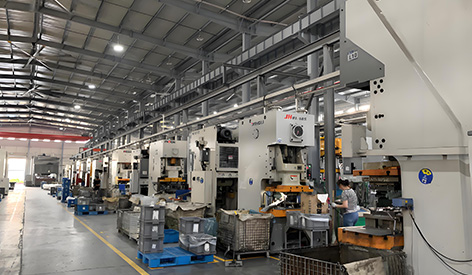
How Machines Enhance Vacuum Casting Precision
Specialized vacuum casting machines play a crucial role in maintaining process stability. These machines regulate vacuum pressure, resin flow, and curing times to ensure each part meets strict tolerances. High-performance machines can handle multiple molds simultaneously, making them ideal for producing small to medium batches of plastic and polyurethane products. With advancements in CNC and 3D printing, master models for vacuum casting can now be created with even greater detail, further refining the final output.
The Importance of Service in Vacuum Casting
A reliable vacuum casting service ensures that manufacturers receive high-quality parts with minimal lead times. Many service providers offer end-to-end solutions, from design assistance to post-processing treatments like painting and assembly. By partnering with an experienced service provider, businesses can reduce prototyping costs and accelerate product development cycles. Additionally, expert technicians can recommend the best materials—such as flexible polyurethane or rigid plastics—based on the intended application.
Metal Replacement with Vacuum Casting
While vacuum casting is primarily used for plastic and polyurethane parts, it can also produce metal-like components using filled resins. These materials mimic the weight, finish, and structural properties of metals, making them ideal for functional prototypes and low-volume production. Industries that require lightweight yet durable products, such as automotive and aerospace, benefit from this cost-effective alternative to traditional metal fabrication.
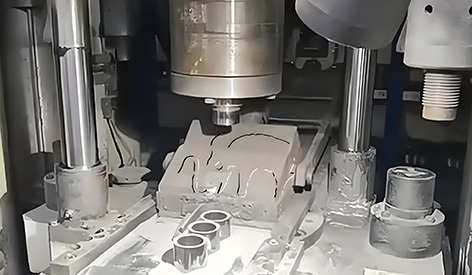
Optimizing the Vacuum Casting Process
To achieve the best results, manufacturers must carefully control every stage of the vacuum casting process. Key factors include mold design, resin selection, degassing, and curing. Proper mold release agents prevent sticking, while vacuum chambers ensure bubble-free casts. Post-curing under UV or heat further enhances the mechanical properties of the final products. By fine-tuning these variables, manufacturers can produce parts with superior surface finishes and dimensional accuracy.
Polyurethane and Plastic in Vacuum Casting
Polyurethane resins are a popular choice in vacuum casting due to their versatility—they can be formulated to mimic various plastics, rubbers, or even metals. Engineers can select from rigid, flexible, or semi-rigid grades depending on the application. Similarly, specialized plastic resins offer high impact resistance, thermal stability, and aesthetic appeal. These materials make vacuum casting ideal for producing functional prototypes, medical devices, and consumer goods.a
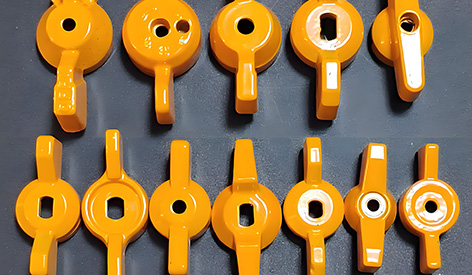
Applications of Vacuum Casted Products
Vacuum casting is used to manufacture a wide range of products, including:
Automotive components (dashboard panels, bezels)
Medical devices (housing for surgical tools)
Consumer electronics (smartphone cases, wearables)
Industrial fixtures (jigs, housings)
The ability to produce small batches cost-effectively makes vacuum casting a preferred method for bridging prototyping and mass production.
Vacuum casting continues to revolutionize modern manufacturing by offering a fast, precise, and economical solution for producing high-quality plastic and polyurethane parts. With advancements in factory automation, machine technology, and material science, this process is becoming even more efficient and versatile. Whether for prototyping or low-volume production, vacuum casting remains a critical tool for industries seeking innovation and agility in product development.
By understanding the interplay between machines, materials, and process optimization, manufacturers can fully leverage vacuum casting to create superior products with reduced time-to-market.

